БЕСПЛАТНАЯ КОНСУЛЬТАЦИЯ ПО ВОПРОСАМ ИСКУССТВА

x
Заказать принт Заказать принтЗаказать репродукцию Заказать репродукцию ПоделитьсяПоделиться
ПодробнееПодробнее Добавить в избранное Добавить в избранное СкачатьСкачать Похожие работыПохожие работы РентгенографияРентгенография Слайд-шоуСлайд-шоу

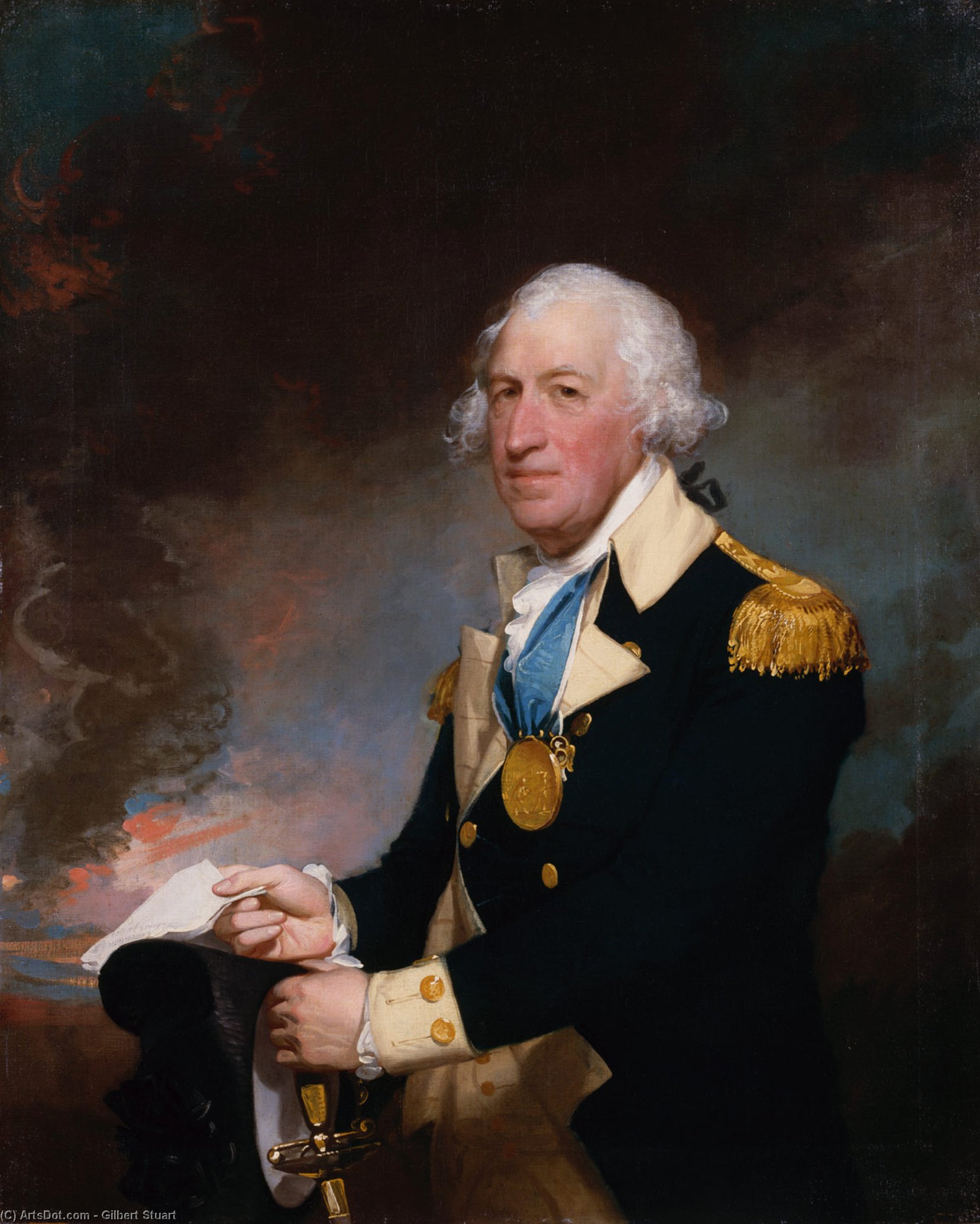
Horatio Gates

Admire Gilbert Stuart's masterful portrait of Horatio Gates, a distinguished military figure from 1793. This oil-on-canvas painting showcases Stuart’s skill and captures the essence of American history.

Джильберт Стюарт – американский художник, известный своими портретами, в том числе знаменитым изображением Джорджа Вашингтона на долларе! Его стиль – неоклассицизм, а работы отражают эпоху и судьбы выдающихся личностей Америки.

Приобретите цифровое изображение высокого разрешения в улучшенном качестве, которое значительно превосходит онлайн-превью.

Каждый файл тщательно подготавливается нашими специалистами с использованием передовых инструментов и экспертной ручной ретуши. Мы гарантируем исключительную четкость, точную цветопередачу и детальную проработку каждого изображения.

Финальный файл доставляется по электронной почте в течение 72 часов и оптимизирован для немедленного использования в профессиональной среде, при верстке и печати. Это тот же уровень качества, которому доверяют ведущие дизайнерские студии, издательства и галереи.

Цифровое изображение

Скачайте файл высокого разрешения для личного использования, печати и творческих проектов.

Итоговая стоимость

$9.99

Включено в каждый заказ цифровых изображений

Гарантия экспертной цифровой доставки

Выбирая WahooArt.com, вы получаете не просто изображение — вы приобретаете профессионально обработанное цифровое произведение искусства, созданное с безупречной точностью и под защитой гарантии качества. Вот всё, что автоматически входит в ваш заказ:

shipping_icon
Мгновенная доставка по e-mail

Ваш цифровой файл в высоком разрешении будет отправлен вам по электронной почте в течение 72 часов после оформления заказа — и сразу станет доступен для использования.

canvas_icon
Цифровой файл с ИИ-улучшением

Ваше произведение искусства проходит профессиональную оптимизацию с использованием передовых инструментов ИИ и ручной обработки, что гарантирует максимальную детализацию, четкость и точность цветопередачи.

insurance_icon
Бессрочная бесплатная повторная доставка

Случайно удалили или потеряли файл? Не беспокойтесь — мы отправим его вам повторно в любое время и совершенно бесплатно.

tax_icon
Без импортных пошлин — навсегда

Наслаждайтесь вашим произведением искусства мгновенно без таможенных пошлин, сборов или затрат на доставку — цифровые загрузки всегда не облагаются налогом.

color_icon
Гарантия точности цветопередачи

Мы гарантируем, что ваше цифровое изображение максимально точно передает оригинальные цвета благодаря использованию профессиональных инструментов и систем управления цветом.

return_icon
Гарантия удовлетворения в течение 60 дней

Если вы останетесь не удовлетворены покупкой цифрового изображения, мы внесем в него правки или вернем 100% стоимости в течение 60 дней — без лишних вопросов.

guarantee_icon
100% Гарантия возврата средств

Не удовлетворены покупкой? Мы гарантируем полный возврат средств в течение 60 дней после получения вашего цифрового файла — без лишних вопросов.

discount_icon
Скидки на оптовые заказы

Купите 3 изображения, сэкономьте 10% — Купите 5, сэкономьте 15% — Купите 10+, сэкономьте 20%. Отличное решение для творческих проектов, галерей и агентств.

Основные сведения

  • Movement: Neoclassicism
  • Artist: Gilbert Stuart
  • Subject or theme: Military portrait
  • Year: 1793
  • Medium: Oil on canvas
  • Notable elements: Gold medal, sash

Тест по искусству

В каждом вопросе только один правильный ответ.

Вопрос 1:
What is the primary subject of Gilbert Stuart’s portrait, ‘Horatio Gates’?
Вопрос 2:
The painting 'Horatio Gates' is believed to have been created around which year?
Вопрос 3:
What artistic movement is Gilbert Stuart most associated with?
Вопрос 4:
The dark background in ‘Horatio Gates’ serves what purpose?
Вопрос 5:
Which of the following best describes Gilbert Stuart’s style?

Описание коллекции

A Portrait of Statesmanship: Gilbert Stuart’s Horatio Gates

Gilbert Stuart's "Horatio Gates," painted in 1793, is more than just a likeness; it’s a carefully constructed embodiment of the ideals and anxieties of early American republicanism. This portrait, rendered in oil on canvas with the meticulous detail characteristic of Stuart’s mature style, offers a glimpse into the life of a man deeply intertwined with the nation's nascent identity – Horatio Gates, a distinguished general who played a pivotal role in the Revolutionary War.

The painting immediately draws the eye to Gates himself. He is depicted in a commanding three-quarter pose, his gaze direct and resolute. The lighting, expertly employed by Stuart, sculpts his features, highlighting the strength of his jawline and the intelligence in his eyes. His attire – a dark military coat adorned with the subtle embellishments of rank, a crisp white shirt beneath, and a vibrant blue sash – speaks volumes about his service and status within the newly formed United States Army. Crucially, a gold medal rests prominently around his neck, a tangible symbol of recognition for his bravery and leadership during the war, particularly at Saratoga – an event that secured crucial French support for the American cause.

Neoclassical Precision and Stuart’s Signature Style

Stylistically, “Horatio Gates” firmly places itself within the Neoclassical tradition, a movement deeply influenced by classical Greek and Roman art. This is evident in the carefully balanced composition, the restrained palette dominated by deep browns, blues, and whites, and the emphasis on idealized form. However, Stuart’s genius lies not simply in replicating classical ideals but in imbuing them with an distinctly American sensibility. He avoids overt theatricality, opting instead for a dignified and understated elegance that reflects the values of republican virtue.

The brushwork itself is remarkably refined – a hallmark of Stuart's later career. Notice the subtle gradations of tone, particularly in the rendering of Gates’ clothing and the folds of his coat. This meticulous attention to detail speaks to Stuart’s dedication to capturing not just the outward appearance but also the very essence of his subject. The background, deliberately dark and indistinct, serves to further emphasize Gates as the focal point, creating a sense of importance and gravitas.

Symbolism and the Ideals of Republican Virtue

Beyond its technical brilliance, “Horatio Gates” is rich in symbolic meaning. The military attire, naturally, represents his service and sacrifice for the nation. However, it’s the medal that carries the most potent message – a testament to his commitment to republican virtue and the ideals upon which America was founded. The choice of a gold medal, a symbol of honor and distinction, underscores the importance Stuart placed on recognizing those who upheld these values during a critical period in American history.

Furthermore, Gates’ posture and gaze convey a sense of quiet authority and unwavering resolve. He embodies the stoic ideal of the republican citizen – a man dedicated to public service and committed to upholding the principles of liberty and self-governance. The painting, therefore, functions as a visual manifesto for the nascent American republic, projecting an image of strength, integrity, and patriotic devotion.

A Legacy of Portraiture and American Identity

Gilbert Stuart’s “Horatio Gates” remains a significant work in the history of American portraiture. It exemplifies his mastery of technique, his ability to capture both physical likeness and psychological depth, and his profound understanding of the symbolic power of art. Reproductions of this iconic painting continue to resonate with viewers today, offering a tangible connection to a pivotal moment in American history – a time when the ideals of republicanism were being forged and enshrined.

Whether displayed as a centerpiece in a grand hall or incorporated into a carefully curated interior design scheme, “Horatio Gates” serves as a powerful reminder of the enduring legacy of Gilbert Stuart and his profound contribution to the visual representation of American identity.

Похожие произведения


Биография художника

Gilbert Stuart (1755–1828): America’s Foremost Portraitist

Gilbert Stuart, born December 3, 1755, in Saunderstown, Rhode Island, was undeniably one of the most celebrated portrait painters of his era and remains an icon of American artistic heritage. His legacy extends far beyond mere likenesses; he captured the spirit and character of his subjects with unparalleled skill, establishing a distinctive style that blended European refinement with uniquely American sensibilities. ### Early Life and Training Gilbert Stuart’s origins were rooted in Scottish ancestry—his father, Gilbert Stewart Sr., was an inventor who pioneered Rhode Island's first snuff mill. From a young age, Stuart demonstrated prodigious artistic talent, evident even as a child. At just fourteen, he completed “Dr. Hunter’s Spaniels,” showcasing early promise and establishing him as a gifted draftsman. Recognizing his potential, Cosmo Alexander, a Scottish artist, mentored Stuart around 1771, providing foundational training in technique and composition. Following Alexander's untimely death in 1775, Stuart continued his artistic education in London with Benjamin West, a prominent American painter residing there from 1775 to 1780—a period crucial for honing his style and gaining recognition within the Royal Academy. ### Artistic Career and Major Works Stuart’s career faced considerable challenges during the tumultuous years of the American Revolution, prompting him to relocate to England in 1775. Despite these difficulties, he swiftly achieved success with “The Skater” (1782), a portrait that cemented his reputation as a masterful artist. However, Stuart's magnum opus remains the unfinished portrait of George Washington, known universally as the Athenaeum Portrait—begun in 1796 and never completed. This image has transcended mere representation; it embodies the very essence of American leadership and identity, appearing on U.S. currency and postage stamps for over a century. Stuart produced numerous copies of this portrait for patrons across America and Europe, demonstrating his unwavering dedication to his craft. Beyond Washington, he painted portraits of John Adams, Thomas Jefferson, James Madison, and many influential figures from the Federalist elite—each piece reflecting Stuart’s meticulous observation and psychological insight. His style was characterized by a Neoclassical approach, emphasizing realism and utilizing dramatic chiaroscuro to heighten the impact of his compositions. ### Influences and Development Stuart's artistic development was shaped by several key influences. Cosmo Alexander instilled early technique and compositional principles, while Benjamin West’s guidance profoundly impacted Stuart’s understanding of portraiture and artistic ideals. Crucially, Stuart himself absorbed the atmosphere and intellectual currents of his time—particularly the burgeoning Neoclassical movement—which championed classical forms and values. He wasn't simply replicating appearances; he sought to convey inner character and intellect, striving for a level of psychological depth rarely achieved by his contemporaries. ### Historical Significance and Legacy Gilbert Stuart’s contribution to American art history is undeniable. He played an instrumental role in documenting the formative years of the United States through his portraits—capturing not only physical likenesses but also conveying the spirit of the era. The Athenaeum Portrait of George Washington stands as a timeless symbol of American identity and leadership, continuing to inspire awe and admiration generations later. Stuart established a distinctive American style of portraiture that blended European techniques with uniquely American sensibilities—a legacy preserved in museums across America and Europe where his masterpieces continue to captivate audiences today.
Джильберт Стюарт

Джильберт Стюарт

1755 - 1828 , Великобритания

Основные сведения

  • Artistic Movement Or Style: Неоклассицизм
  • Artists Who Influenced This Artist:
    • Космо Александр
    • Бенджамин Вест
  • Date Of Birth: 3 декабря 1755 г.
  • Date Of Death: 9 июля 1828 г.
  • Full Name: Gilbert Stuart
  • Nationality: Американский
  • Notable Artworks:
    • Портрет Д.Ханта и собак
    • Портрет Дж. Вашингтона (Атенеумский портрет)
    • Портреты Дж. Адамса и Т. Джефферсона
  • Place Of Birth: Новый Кингстоун, Род Истленд