Acrylic On CanvasWallArtImpressionism
 23.0 x 32.0 cm
Печать (жикле) или холст музейного качества с быстрыми сроками изготовления и широким выбором вариантов отделки. ( Купить картину ручной работы Купить изображение)





























Выберите один из наших стандартных размеров, соответствующих оригинальным пропорциям произведения искусства.

Вы можете указать свои собственные размеры, чтобы репродукция идеально подошла под конкретную раму или пространство. Если выбранный вами размер не будет соответствовать пропорциям оригинала, мы либо обрежем произведение, либо дополним изображение зеркальным отражением краев или однотонной заливкой. Перед началом производства вам будет отправлен цифровой макет для утверждения.
Пожалуйста, обратите внимание, что предварительный просмотр на экране не отображает фактическую обрезку или расширение изображения. Только макет точно покажет финальную композицию.
Несмотря на возможность заказа индивидуальных размеров, мы рекомендуем выбирать размер из предопределенного списка, чтобы сохранить оригинальные пропорции.
Доставка по всему миру () за 2 недели вместо стандартных 4/5 недель. (6 Сентябрь)


Stone crusher
Размер репродукции
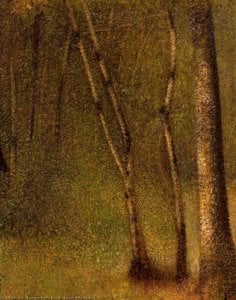
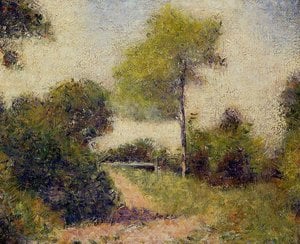
Georges Pierre Seurat (1859-1891) stands as a monumental figure in the artistic landscape of late 19th century France, irrevocably altering the trajectory of painting with his groundbreaking innovation – Pointillism. More than just a technique, it represented a radical reimagining of how artists perceived and reproduced light and color, firmly establishing him as a prophet of modern art.
“Stone Crusher,” painted around 1883-84 during Seurat’s formative years, exemplifies this revolutionary approach. Executed on paper with crayon—a medium chosen for its ability to capture tonal nuances—the artwork depicts a solitary laborer engaged in the arduous task of breaking down stone. This seemingly simple scene transcends mere representation; it embodies Seurat's meticulous observation of the natural world and his unwavering commitment to scientific principles.
Painted during a period marked by rapid industrialization in France, “Stone Crusher” speaks to the realities of rural life and the demands placed upon agricultural workers. The somber color palette—dominated by grayscale tones—reflects not only the physical exertion involved but also evokes feelings of fatigue and hardship. However, beyond its depiction of labor, the artwork serves as a study in human form and movement, capturing the essence of physicality with remarkable accuracy.
The artist’s deliberate choice to forgo vibrant color is significant. It aligns with Seurat's broader philosophical stance—a belief that art should strive for objectivity and capture the fundamental truths of perception. By rejecting Impressionistic subjectivity, Seurat elevates “Stone Crusher” to a testament to scientific rigor and artistic innovation.
"Stone Crusher" isn't merely an image; it’s a distillation of experience—a poignant portrayal of human effort against the backdrop of the natural world. Seurat’s unwavering focus on tonal gradation and texture imbues the artwork with a palpable sense of atmosphere, inviting viewers to contemplate the dignity inherent in manual labor and the beauty found within simplicity.


1859 - 1891 , Франция

Explore the scientific brilliance of Seurat and Signac. Discover how Pointillism revolutionized color through optical mixing and light, offering a profound look into the Neo-Impressionist movement for true art connoisseurs and collectors.

Explore the vibrant evolution of Post-Impressionism. From Seurat's revolutionary Pointillism to the emotional depth of masters, discover how this movement redefined modern art history through color, structure, and unparalleled creative expression.
Discover the mesmerizing world of Pointillism. Explore the revolutionary techniques of Georges Seurat, the science of optical color mixing, and the enduring legacy of Neo-Impressionism in this expert guide for classical art enthusiasts.

 Предпросмотр
 Поделиться
 Поделиться
 Детали произведения

 Скачать
 Похожие работы
 Рентгенография
 Слайд-шоу
 Читать далее







 Вариант со стеклом доступен только для размеров менее 110 см