Жизнь, погруженная в чувственное
Фрэнсис Бэкон, имя ставшее синонимом самой острой эмоциональности в искусстве XX века, родился в Дублине, Ирландия, в 1909 году. Однако его художественный дух нашел наиболее полное выражение в бурном ландшафте послевоенной Британии. Ранние годы Бэкона были далеки от стабильности; частые переезды из-за здоровья матери внушили чувство оторванности, которое глубоко сформировало его мировоззрение и, в конечном итоге, пронизало его полотна. Сложные отношения с суровым отцом и тесная связь с няней Джесси Лайтфут еще больше окрасили эмоциональный фон его юношеских лет. Изначально увлеченный скачками и жизнью азартных игроков, Бэкон скитался по разным занятиям, прежде чем окончательно посвятить себя живописи в конце двадцатых годов – позднее начало, которое, возможно, усилило срочность и интенсивность его последующих работ. Он не получил формального образования, вместо этого прокладывал свой собственный путь, впитывая влияние различных источников и разрабатывая уникальный, тревожный визуальный язык.
Предвестники ранних влияний
Художественное пробуждение Бэкона не было мгновенным, а скорее постепенным накоплением впечатлений. Работы Пабло Пикассо, особенно искаженные фигуры его раннего кубистического периода, сыграли ключевую роль в освобождении его от традиционного представления. Вдохновение он находил и в преследующей фотографии Эгона Шиле, выразительные деформации человеческой формы которого перекликались с растущим увлечением Бэкона хрупкостью и уязвимостью существования. Однако решающим катализатором стало случайное знакомство с фильмом Сергея Эйзенштейна *Броненосец «Потемкин»*. Висцеральные образы фильма, особенно крупный план кричащего лица, стали неизменным мотивом в работах Бэкона, символизируя первобытный террор и глубины человеческих страданий. Он также глубоко восхищался старыми мастерами, в частности Диего Веласкесом, чей *Портрет папы Иннокентия X* он знаменито переосмысливал на протяжении всей своей карьеры, превращая авторитетную папскую фигуру в мучимого призрака. Эти влияния были не просто стилистическими заимствованиями; они поглощались и преобразовывались благодаря уникальной чувствительности Бэкона, что приводило к художественному видению, которое было одновременно глубоко личным и универсально резонирующим.
Формирование фирменного стиля: Искажение и изоляция
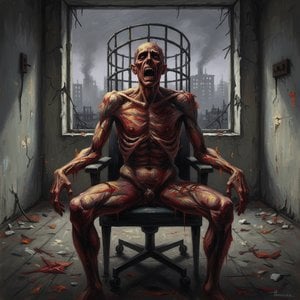
Прорыв Бэкона наступил с *Три этюда для фигур у основания распятия* (1944), работа, которая шокировала и захватила публику в послевоенном Лондоне. Этот триптих установил его фирменный стиль – искаженные, фрагментированные фигуры, изолированные в клаустрофобных пространствах. Это были не изображения религиозного мученичества, а скорее чувственные исследования человеческих страданий, лишенные всякого утешительного повествования или духовного успокоения. Его картины часто изображают размытые или растворяющиеся формы, передающие ощущение психологической турбулентности и физической уязвимости. Он часто использовал геометрические структуры – клетки, ящики – чтобы ограничить своих субъектов, подчеркивая их изоляцию и бессилие. Палитра Бэкона обычно была приглушенной и мрачной, отражая темные темы, которые он исследовал, хотя и разбавленная всплесками интенсивного цвета, усиливающими эмоциональное воздействие. Использование этих клеток было не просто композиционным приемом; оно символизировало неотъемлемые ограничения и рамки, налагаемые на человеческое существование. Он стремился запечатлеть не только *то*, как выглядят вещи, но и *что* они чувствуют, перенося внутренние состояния тревоги, страха и отчаяния на холст с жестостной честностью.
Темы смертности, мучений и человеческого существования
На протяжении своей плодотворной карьеры Бэкон неоднократно возвращался к определенным мотивам: распятие как символ страданий; портреты, углубляющиеся в психологическую интенсивность его субъектов, часто друзей и любовников, таких как Джордж Дайер; и автопортреты, служившие интроспективным исследованиям идентичности и смертности. Его серия *Этюд по мотивам «Портрета папы Иннокентия X» Веласкеса* (1953) – возможно, одно из его самых знаковых достижений, превращающее достойный портрет Веласкеса в кричащий призрак, воплощающий экзистенциальный ужас. Портреты Джорджа Дайера, его неуравновешенного любовника, особенно трогательны, запечатлевая как интенсивность их связи, так и нависшую тень трагедии. Работа Бэкона была не о изображении конкретных людей; речь шла об исследовании универсальных тем человеческой уязвимости, изоляции и неизбежности смерти. Он не избегал темных сторон существования, а скорее смело сталкивался с ними, заставляя зрителей столкнуться со своей собственной смертностью и тревогой.
Наследие: Вызов конвенциям
Влияние Фрэнсиса Бэкона на искусство XX века неоспоримо. Он бросил вызов традиционным представлениям о репрезентации, отвергая идеализированную красоту в пользу сырого, безжалостного изображения человеческого состояния. Его работа глубоко повлияла на поколения художников, проложив путь новым формам выражения и бросив вызов общепринятым художественным границам.
- Послевоенный экспрессионизм: Бэкон считается ключевой фигурой этого движения, вдохновляя художников своим смелым стилем и психологической глубиной.
- Аукционные рекорды и музейные выставки: Его картины продолжают достигать высоких цен на аукционах и выставляются в крупных музеях по всему миру, укрепляя его место в истории искусства.
- Столкновение с истинами: Наследие Бэкона заключается в его способности сталкиваться с неудобными истинами о человеческом существовании и переводить эти переживания в мощные и незабываемые образы.
Несмотря на бурную личную жизнь, отмеченную азартными играми, пьянством и сложными отношениями, он оставался верен своему искусству до самой смерти в 1992 году. Он оставил после себя корпус работ, который продолжает находить отклик у публики сегодня, напоминая нам о хрупкости существования и непреходящей силе искусства противостоять темнейшим уголкам человеческой души. Его картины – это не просто образы; это чувственные переживания – свидетельство непреходящей силы искусства провоцировать, тревожить и в конечном итоге прояснять сложности бытия.



 Примерить в интерьере
 Заказать репродукцию ручной работы
 Отправить
 Поделиться
 Подробнее
 Руководство

 Скачать
 Похожие объекты
 Рентгенография
 Слайд-шоу
 Q&A
Q&A Статистика

 Развернуть текст






































 Вариант со стеклом доступен только для размеров менее 110 см