

Произведение искусства, представленное на этой странице, защищено законом об авторском праве, что исключает возможность законного создания или продажи его точной репродукции. Данная защита обеспечивается международными соглашениями, такими как Бернская конвенция и национальным законодательством, включая положения, изложенные в Закон США об авторском праве — Раздел 17.
Этот метод полностью соответствует нормам авторского права, так как он не предполагает копирования или дублирования защищенного произведения. Напротив, это творческая реинтерпретация — создание новой картины, которая вдохновлена оригиналом, но не является его точной копией.
Печать (жикле) или холст музейного качества с быстрыми сроками изготовления и широким выбором вариантов отделки. ( Купить картину ручной работы Перейти к цифровым изображениям)





























Выберите один из наших стандартных размеров, соответствующих оригинальным пропорциям произведения искусства.

Введите необходимую ширину и высоту, чтобы репродукция подошла к вашей раме или стене. При печати изображение можно только уменьшить, но нельзя увеличить больше оригинала, поэтому при выборе другого формата часть изображения может быть обрезана. Перед печатью мы отправим вам цифровой макет на утверждение. Изображение на этой странице не отображает реальную обрезку — ее можно увидеть только на макете.
Доставка по всему миру () за 2 недели вместо стандартных 4–5 недель. (9 Ноябрь)
Study for a Pope III,
Размер репродукции
Francis Bacon’s “Study for a Pope III,” painted in 1961, isn’t merely a depiction of a figure; it’s an excavation of the human psyche. This monochrome masterpiece, born from a period of intense introspection and societal upheaval following World War II, embodies the artist's signature style – a brutal honesty that confronts viewers with the unsettling realities of existence. The painting immediately arrests attention with its claustrophobic composition: a seated figure, rendered in stark shades of grey, is enveloped within a tightly defined space, dominated by vertical lines that seem to constrict and isolate. This isn’t a portrait intended for admiration; it's an exploration of vulnerability, anxiety, and the inescapable weight of mortality.
The subject, clearly referencing Velázquez’s iconic “Portrait of Pope Innocent X,” is deliberately distorted and fragmented. Bacon abandons the traditional conventions of Renaissance portraiture, stripping away any semblance of idealized beauty or serenity. Instead, we are presented with a figure whose features – a tilted head, a furrowed brow, an almost skeletal hand clutching at his robe – convey profound unease. The red drapery, a jarring contrast against the predominantly grey palette, adds to this sense of tension and perhaps hints at the weight of religious authority or the burden of leadership.
Bacon’s “Study” isn't simply a copy of Velázquez; it’s a deliberate engagement with a master whose work he deeply admired. The composition, particularly the use of vertical lines and the emphasis on the figure’s posture, directly references the Spanish painter’s masterful control of space and his ability to capture psychological depth within a relatively small format. However, Bacon subverts Velázquez's carefully constructed realism by injecting an overwhelming sense of emotional turmoil. The starkness of the monochrome palette amplifies this effect, eliminating any distractions and forcing the viewer to confront the raw intensity of the subject’s expression.
Furthermore, the title “Study” is crucial. It signifies that this isn't a finished work but rather an exploratory sketch – a preliminary investigation into a complex idea or emotion. It reveals Bacon’s process: a relentless pursuit of capturing fleeting moments of feeling and translating them onto canvas. The painting becomes a testament to his dedication, a visual record of the artist wrestling with his subject.
Bacon's technique is characterized by loose, gestural brushstrokes that create a sense of movement and instability. The paint seems to writhe across the canvas, mirroring the figure’s internal turmoil. The use of impasto – thick layers of paint – adds texture and physicality to the image, further emphasizing its emotional intensity. The simplification of form—reducing the Pope to essential shapes—heightens the sense of abstraction and allows the viewer to project their own anxieties onto the subject.
Beyond the immediate depiction of a figure, “Study for a Pope III” speaks to broader themes of isolation, power, and the human condition. It’s a powerful meditation on vulnerability in the face of authority, a haunting reminder of our shared mortality. The painting's enduring appeal lies in its ability to evoke a visceral response – a feeling of unease, perhaps even dread – that lingers long after viewing.
WahooArt offers meticulously crafted hand-painted reproductions of “Study for a Pope III,” allowing you to experience the full impact of this iconic work in your own space. These reproductions capture not only the visual details but also the emotional depth and textural qualities of the original painting. Whether displayed as a striking statement piece or integrated into a more subtle interior design scheme, Bacon’s “Study for a Pope III” is guaranteed to provoke thought and conversation.
Страница Просмотр в AR для работы «Study for a Pope III,», Бэкон использует дополненную реальность, чтобы показать произведение в вашем интерьере на совместимом устройстве.
В работе «Study for a Pope III,», Бэкон представлена Strong Color Unity цветовая гармония.
Бэкон, Study for a Pope III,, 1961 год


1909 - 1992 , Ирландия

Discover the raw emotion of Symbolic Expressionism. Our expert guide explores how masters like Munch use color and form to convey inner feelings, offering inspiration for collectors looking to bring powerful, soulful art into their modern homes.

Погрузитесь в мир Фрэнсиса Бэкона! 25 шедевров экспрессионизма, полных эмоций и висцеральной силы. Купите репродукции картин Бэкона на холсте и украсьте свой интерьер искусством мирового уровня. Explore the full collection online | WahooArt.
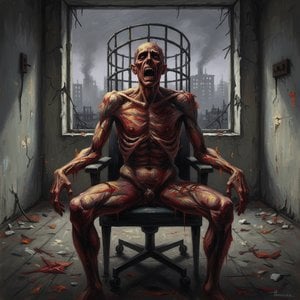
Explore the profound existential anguish of Francis Bacon's art. Discover how trauma shaped his iconic paintings & lasting influence on modern expressionism. A guide for discerning collectors.

Погрузитесь в мир экспрессионизма! Откройте 10 шедевров Мунка, Кирхнера и других гениев. Узнайте истории создания культовых картин и вдохновитесь для декора вашего дома. Репродукции музейного качества на WahooArt.com

Погрузитесь в мир гения Леонардо да Винчи! 25 шедевров эпохи Возрождения, истории создания картин и техники великого мастера. Репродукции высокого качества для вашего интерьера на WahooArt.com. Откройте всю коллекцию онлайн!
 Предпросмотр
 Поделиться
 Поделиться
 Детали произведения
 Руководство

 Скачать
 Похожие предметы
 Рентгенография
 Слайд-шоу
 Вопросы и ответы
 Статистика просмотров

 Читать далее









 Вариант со стеклом доступен только для размеров менее 110 см


