Биография художника
Fernand Léger: A Life Forged in Form
Fernand Léger, родившийся в 1881 году в тихой деревушке Аржантан, Нормандия, – фигура поистине выдающаяся в истории современного искусства. Его путь от сельских пастбищ до авангарда Парижа – это свидетельство неукротимой художественной воли и постоянного стремления запечатлеть дух индустриальной эпохи. В отличие от многих своих современников, которые обращались к абстракции как к убежищу от реализма, Леже стремился *интегрировать* современность – ее динамизм, механические формы, саму суть – в новый визуальный язык, который был одновременно мощно абстрактным и глубоко укорененным в наблюдаемом мире. Ранняя жизнь, пропитанная физической работой сельского населения, предоставила контраст к индустриальному будущему, которое он так страстно изображал. Первоначально предназначенный для архитектуры, Леже переключился на живопись после прибытия в Париж около 1900 года, зарабатывая на жизнь работами по чертежу, одновременно оттачивая свои художественные навыки. Этот период был отмечен академическим обучением, но настоящая трансформация началась только после знакомства с новаторскими работами Поля Сезанна.
The Birth of ‘Tubism’ and the Section d’Or
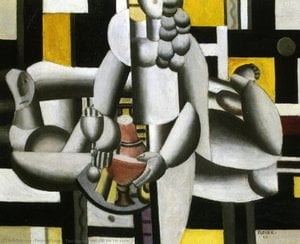
Реставрация Сезанна в 1907 году стала катализатором, освободив Леже от традиционной репрезентации и толкнув его к более геометричному и структурному подходу. Он начал разбирать формы, анализировать их основные структуры и воссоздавать их на холсте с новым акцентом на твердость и объем. Это исследование быстро привело его в окружение кубизма, но Леже не был доволен просто копированием стилей Пикассо или Брака. Вместо этого он разработал свой собственный уникальный стиль – личную форму кубизма, которую критики игриво прозвали “Тубизмом”. Характеризующийся цилиндрическими формами, плоскими плоскостями и яркими цветовыми контрастами, Тубизм воспевал механическую эстетику задолго до того, как она стала повсеместной. Это искусство родилось из наблюдения за расцветающим индустриальным миром, признавая красоту в ее функциональных очертаниях и механических ритмах. В этот период Леже активно участвовал в авангардной среде, объединившись с художниками, такими как Жан Меценджер, Анри Ле Фуконье, Франсис Пикассо и Марсель Душамп в группе Путео, также известной как Section d’Or (Золотая секция). Группа исследовала математические принципы гармонии и пропорции, стремясь наделить свое искусство чувством порядка и рациональности. Их коллективные исследования расширили границы художественного выражения, заложив основу для будущих разработок в абстрактном искусстве.
War, Mechanization, and a New Aesthetic
Вспышка Первой мировой войны оказала глубокое влияние на жизнь и творчество Леже. Служба на фронте с 1914 по 1916 годы показала ему жестокую реальность современной войны – артиллерийские обстрелы, воздушные бои и дегуманизирующие эффекты механизированного конфликта. Этот опыт не привел к разочарованию или отказу от современности; скорее он укрепил его восхищение машинами и их силой. Зарисовки, сделанные во время его службы, документировали красоту военной техники, превращая орудия разрушения в объекты художественного размышления. После возвращения в мирное время эстетика Леже претерпела дальнейшую эволюцию. Его картины стали отражать более сглаженный, механистический взгляд, восхваляя динамизм и эффективность индустриального мира. *Солдат с трубкой* (1916 года) является примером этого перехода, демонстрируя упрощенные формы и яркие цвета, вызывающие ощущение механической точности. Это не было просто эстетическим выбором; это было философским заявлением – подтверждением потенциала современности для прогресса и обновления, даже на фоне разрушительных конфликтов.
The Development of Tubism and Beyond
В период между войнами Леже продолжал исследовать пересечение искусства и промышленности, создавая работы, которые праздновали современную жизнь с уникальным сочетанием абстракции и фигуративности. Его *Пейзажи animés* (Анимированные пейзажи) 1921 года демонстрируют фигуры и животных, бесшовно интегрированные в обтекаемые композиции, размывая границы между органическими и неорганическими формами. Он также экспериментировал со скульптурой и кинематографом, расширяя свою художественную практику за пределы традиционной живописи. В 1920-х годах многочисленные коллаборации позволили художнику открыть для себя другие области творчества: литературу, живые представления, архитектуру и т. д. Увлечение кино привело Леже к работе с режиссерами Абелем Гансом и Марселем Л’Эрьером. Особенно стоит отметить его работу над *Балет mécanique* (1924 года), который считается «первым фильмом без сценария», что побудило его использовать принцип крупного плана в своих картинах. Объект, который стал центральной темой его работ, был освобожден от гравитации в серии *Объекты в пространстве*.
Later Years and Legacy
В последующие годы своей жизни Леже продолжал исследовать пересечение искусства и промышленности, создавая работы, которые праздновали современную жизнь с уникальным сочетанием абстракции и фигуративности. Его работы 1930-х годов отражают международное признание, когда он выставлялся в Европе и Соединенных Штатах, где путешествовал несколько раз. В этот период его художественное исследование отодвинулось от механистической эстетики к части более традиционной живописной практики. Он преподавал в Миллс Колледж в Калифорнии и организовал свою студию в Нью-Йорке зимой и в Роузес Пойнте летом. В 1937 году он принял участие в Международной выставке искусств и технологий. Леже занимался вопросами, связанными с «Дискуссией о реализме», организованной Агораном в Доме культуры в Париже. Его наследие выходит далеко за рамки художника; он был провидцем современности, чьи работы продолжают резонировать с публикой сегодня.



 Примерить в интерьере
 Переключиться на печать
 Отправить
 Поделиться
 Подробнее
 Руководство

 Скачать
 Похожие объекты
 Рентгенография
 Слайд-шоу
 Статистика

 Развернуть текст






































 Вариант со стеклом доступен только для размеров менее 110 см