A Life Etched in Symbolism: The World of Ferdinand Hodler
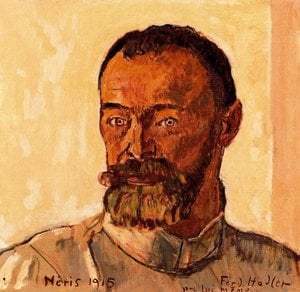
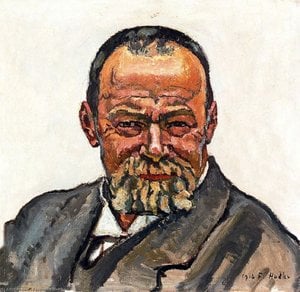
Ferdinand Hodler, имя, неразрывно связанное с пейзажами швейцарской живописи и мощным языком символизма, поднялся из скромных начал, чтобы стать одним из самых значительных художников конца XIX – начала XX веков. Родился в Берне, Швейцария, в 1853 году, его жизнь была глубоко сформирована ранними утратами – повторяющейся темой, которая пронизывала его художественное видение. Несвоевременные смерти отца и двух младших братьев до того, как ему исполнилось десять лет, отбросили длинную тень, внушая ему глубокое размышление о смертности и мимолетности существования. Эти переживания, переплетающиеся с острым чувством красоты и силы природы, стали центральными принципами его развивающейся работы. Изначально получив обучение у декоративных художников, талант Hodler быстро превосходил простое мастерство; он стремился к формальному образованию и художеческому исследованию за пределами ограничений коммерческой деятельности. Эта амбиция привела его в Женеву в 1871 году, где он погрузился в учебу, посещая лекции по науке, одновременно тщательно копируя шедевры в музее города – строгая подготовка, заложившая основу для его будущих инноваций.
От Реализма к «Параллелизму»: Формирование Уникального Видения
Художественный путь Hodler был отмечен постоянной эволюцией и неустанным стремлением к выразительной силе. Его ранние работы отражали преобладающий реалистический стиль того времени – портреты, пейзажи и жанровые сцены, выполненные с тщательной детализацией. Однако вскоре он обнаружил себя ограниченным этими конвенциями, стремясь передать более глубокие эмоциональные истины и философские идеи. Это стремление привело его к символизму, направленному на отказ от натуралистического представления в пользу субъективного опыта и выразительных образов. Тем не менее Hodler не просто принял принципы символизма; вместо этого он создал свой собственный уникальный путь, разработав то, что он назвал «параллелизмом». Этот отличительный стиль заключался в организации фигур и форм в ритмичных, почти геометрических узорах, создавая ощущение как гармонии, так и напряжения – визуальное представление взаимосвязанности. Это было попыткой не просто *то, что* он видел, но *как* он чувствовал – скрытые эмоциональные потоки, соединяющие все сущее.
Ночь (1890), ставшая поворотным моментом, закрепила его место в качестве новатора и вызвала значительные споры благодаря изображению лежащих фигур, намекающих на смерть и покой. Несмотря на первоначальную критику, картина привлекла внимание в Париже, укрепив репутацию Hodler за пределами Швейцарии и сигнализируя о появлении настоящего оригинального голоса.
Ключевые произведения искусства: Значение и Влияние
На протяжении своей плодотворной карьеры Hodler создал впечатляющее количество работ, которое продолжает вдохновлять аудиторию сегодня.
День (1893), одно из его самых амбициозных и знаменитых достижений – монументальная историческая картина, демонстрирующая его мастерство композиции и символизма. Хранящаяся в Kunsthaus Zürich, эта работа является мощным размышлением о жизни, смерти и возрождении, выполненная с поразительным сочетанием реализма и визионерской интенсивности. Огромный масштаб и эмоциональная глубина
Дня укрепили положение Hodler как одного из ведущих художников Европы. Другие заметные работы включают многочисленные изображения швейцарских Альп, наполненные ощущением восхитительной величия, и портреты, раскрывающие его глубокое понимание человеческой психологии. Он часто возвращался к темам потери и скорби, возможно, отражая свои собственные детские травмы, но всегда наполняя их чувством достоинства и стойкости. Его картины не были просто репрезентациями; они были эмоциональными пейзажами, приглашающими зрителей задуматься над фундаментальными вопросами существования. Такие работы, как
Истина II (1897), демонстрируют его способность сочетать классические формы с современными тенденциями, создавая образы, которые одновременно вневременны и поразительно актуальны – свидетельство его новаторского духа.
Наследие: Влияние и Исторический Контекст
Влияние Фердинанда Холлера распространилось далеко за пределы Швейцарии. Его инновационное использование символизма и разработка «параллелизма» проложили путь для экспрессионизма, с его акцентом на субъективное чувство и искаженные формы. Художники, последовавшие по его стопам, признавали его предвестником своих собственных исследований внутреннего опыта. Работа Холлера также резонировала с более широкими культурными течениями конца XIX – начала XX веков – периода, отмеченного быстрыми социальными изменениями, научными достижениями и растущим чувством экзистенциальной тревоги. Его картины предлагали визуальный язык для осмысления этих сложных вопросов, предоставляя утешение и понимание в мире, все более непредсказуемом. Сегодня работы Холлера хранятся в крупных музеях Европы и за ее пределами, обеспечивая сохранение его художеческого видения для вдохновения и вызова поколений зрителей. Он остается выдающейся фигурой в истории искусства Швейцарии, восхваляемым не только за его техническое мастерство, но и за его глубокое эмоциональное выражение и непоколебимую преданность исследованию тайн человеческой природы.
Исследование Холлера более подробно



 Примерить в интерьере
 Заказать репродукцию ручной работы
 Отправить
 Поделиться
 Подробнее
 Руководство

 Скачать
 Похожие объекты
 Рентгенография
 Слайд-шоу
 Q&A
Q&A Статистика


 Развернуть текст






































 Вариант со стеклом доступен только для размеров менее 110 см