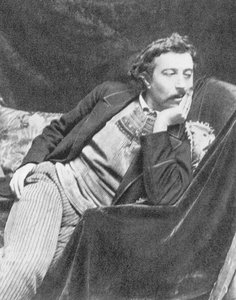
Eugène Henri Paul Gauguin: A Life Painted in Bold Strokes
Эжен Анри Поль Гоген – имя, которое звучит с яркими красками и бунтарским духом, является ключевой фигурой в переходе от импрессионизма к современному искусству. Родился в Париже в 1848 году, его жизнь была далека от обыденной. Ранние годы были сформированы необычным воспитанием: отец – журналист, а мать – представительница перуанского дворянства – ее бабушка, Флора Тристан, пионерская феминистка и социалист, чьи идеи, несомненно, резонировали в семье. Это наследие глубоко повлияло на художественное видение Гогена, внушая ему интерес к культурам за пределами Европы. Формирующее время, проведенное в Перу в детстве, после переезда семьи в 1850 год, погрузило его в мир, кардинально отличающийся от парижского общества – опыт, который остался и в конечном итоге подстегнул его стремление к аутентичности в искусстве. Вернувшись во Францию после смерти отца, Гоген получил формальное образование, но был привлечен не академией, а бурно развивающимся финансовым миром, заняв должность брокера – путь, казалось бы, противоречащий художеческому предназначению, которое ждало его.
От Финансов к Художественному Зову
Гоген долгие годы вел двойную жизнь, усердно занимаясь своим бизнесом, одновременно тайно культивируя страсть к живописи. Изначально под влиянием импрессионистов он начал экспериментировать с цветом и светом в свободное время, но вскоре почувствовал себя ограниченным их стремлением запечатлеть мимолетные моменты реальности. Финансовый кризис 1882 года стал поворотным моментом, вынудив его отказаться от прибыльной карьеры и полностью посвятить себя искусству. Это было не просто изменение профессии; это был фундаментальный сдвиг в мировоззрении. Он обратился за советом к Шампийю, который поощрил его развитие и представил ему авангардные круги Парижа. Однако Гоген быстро начал отклоняться от импрессионистских принципов, стремясь к чему-то более выразительному, более символическому – средству для передачи не только того, *что он видел*, но и того, *что он чувствовал*. Это стремление привело его в путешествие художественного исследования, которое заставило его выйти далеко за пределы парижских салонов и оказаться в сердце «примитивных» культур. Он не просто стремился изображать эти культуры; он искал их сущность, веря, что они содержат чистоту, утраченную в западной цивилизации.
Призыв в Бретань и Таити
Художественная эволюция Гогена была неразрывно связана с его путешествиями. Он провел время в Бретани, очарованный суровой местностью и глубоко укорененными традициями ее народа. Этот период ознаменовался экспериментом с плоскими формами, смелыми контурами и упрощением композиции – техниками, которые отодвинули его все дальше от реализма и ближе к символическому языку. Но его путешествие в Таити в 1891 году по-настоящему высвободило его творческий потенциал. Искал убежище от того, что он воспринимал как стеснение европейской цивилизации, Гоген надеялся найти вдохновение в полинезийской культуре, веря, что она предлагает более аутентичный и духовный образ жизни. Это было не просто художественное стремление; это был духовный поиск. Он погрузился в местные обычаи и верования, изображая полинезийских женщин, пейзажи и религиозные практики через свой уникальный взгляд. Под влиянием японских гравюр – *дзайси* – и средневекового искусства он разработал отличительный эстетический стиль, характеризующийся яркими цветами, экзотической тематикой и атмосферой тайны. Знаменитые картины, такие как «Vahine no te miti» (Женщина с манго), «Manao Tupapau» (Наблюдает Дух Смерти) и «День Богов», возникли в этот период, укрепив его репутацию видением художника. Его использование цвета становилось все более смелым и нереалистичным, служа не для воспроизведения реальности, а для выражения эмоций и духовного смысла.
Наследие и Спор
Несмотря на свои художественные прорывы, жизнь Гогена часто была отмечена трудностями. Он испытывал финансовые трудности и ухудшающееся здоровье во время своего пребывания в Таити и позже на Маркезахских островах, где он окончательно обосновался. Тем не менее, он продолжал активно писать, неустанно исследуя темы жизни, смерти и духовности. Он умер в 1903 году на острове Хива-Оа в Маркезахской архипелаге, в значительной степени неизвестный своим гением. Только после его смерти работа Гогена начала получать заслуженное признание. Сегодня он почитается как ключевая фигура в развитии современного искусства, соединившая импрессионизм и символизм и проложившая путь для таких направлений, как фовизм. Его использование цвета, упрощенные формы и символическое изображение оказали глубокое влияние на художников, таких как Пабло Пикассо, Анри Матисс и многих других. Однако Гоген остается противоречивой фигурой из-за аспектов его личной жизни – особенно в отношении отношений с молодыми полинезийскими женщинами – которые продолжают обсуждаться и интерпретироваться в свете современных этических соображений. Тем не менее, его художественные достижения неоспоримы, и его наследие продолжает вдохновлять художников и любителей искусства во всем мире. Он был настоящим новатором, бунтарем, который осмелился бросить вызов общепринятым нормам и проложить свой собственный путь, оставив после себя произведение искусства, столь же увлекательное и загадочное, как и сам человек.
Ключевые Влияния и Художественные Характеристики
- Импрессионизм: Раннее влияние на цвет и свет, позже отвергнутое из-за его сосредоточенности на мимолетной реальности.
- Дзайси: Вдохновило плоские перспективы, смелые контуры и декоративные узоры.
- Средневековое искусство: Оказало влияние символического изображения и отхода от строгой реалистичности.
- Синтетизм: Стиль, разработанный Гогеном, который подчеркивает создание искусства на основе субъективного опыта, а не объективного наблюдения.
- Примитивизм: Увлечение не западными культурами, веря в то, что они предлагают более аутентичный и духовный образ жизни. Это отражается в его тематике и художественном стиле.



 Предпросмотр
 Купить картину ручной работы
 Поделиться
 Поделиться
 Детали произведения

 Скачать
 Похожие работы
 Рентгенография
 Слайд-шоу
 Stats
Stats
 Читать далее






































 Вариант со стеклом доступен только для размеров менее 110 см