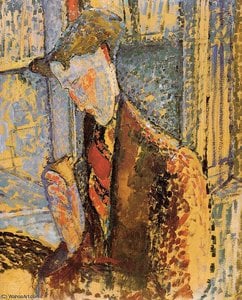
A Life Forged in Expression: The World of Ernst Ludwig Kirchner
Ernst Ludwig Kirchner, имя, которое стало синонимом первобытной эмоциональной силы немецкого экспрессионизма, родился в мире, стоящем на пороге драматических перемен. Его появление в Ашаффенбурге, Бавария, в 1880 году, ознаменовало начало жизни, глубоко переплетенной с художественным новаторством и лическими потрясениями. Сдвигающиеся ландшафты детства – определяемые профессией его отца – внушили ему чувство отчужденности, которое впоследствии пронизало его искусство. От Франкфурта до Перлен и, наконец, у settling в Чеминице, молодой Kirchner поглощал нарастающие тревоги быстро модернизирующейся Германии. Хотя изначально он был направлен на архитектуру в Königlichen Technischen Hochschule в Дрездене, сила живописи, подстегиваемая восхищением мастерами, такими как Альбрехт Дюрер, и растущим недовольством академической конвенцией, определили его путь. Он нашёл родственную душу среди бунтарей – Фрица Блейля, Карла Шмидта-Роттлуффа и Эрика Хеккеля, создав связи, которые необратимо изменили ход 20-го века в искусстве.
The Bridge Between Worlds: Die Brücke and Artistic Revolution
В 1905 году Kirchner стал одним из основателей *Die Brücke* (“The Bridge”), художественной группы, предназначенной для сближения традиционной эстетики и более живописного, эмоционально заряженного вида выражения. Это было не просто стилистическое решение; это была философская позиция. Группа стремилась к вдохновению в источниках, часто игнорируемых академическим миром искусства – примитивное искусство Африки и Океании, смелые цвета Винсента Ван Гога и пронзительная психологическая глубина Эдварда Мунка. Они отвергли идеализированные представления о красоте, преобладающие в академической живописи, вместо этого принимая искажения, резкие цветовые палитры и экспрессивную манеру письма для передачи тревог и отчуждения современной жизни. Ранние работы Kirchner, рожденные из этого коллективного духа, пульсировали энергией, отражая неугомонное стремление группы к освобождению от художественных ограничений. Студия стала кузницей экспериментов, пространством, где бросали вызов социальным нормам, а также художественным конвенциям. Исследование человеческой фигуры, особенно обнаженной женщины, в городских и природных условиях стало повторяющейся темой, позволяющей Kirchner исследовать движение, эмоции и сложности современной жизни.
Urban Anxieties and Bold Visions: Defining a Style
Художественный стиль Kirchner сразу же узнаваем по своим отличительным характеристикам. Он использовал цвет не как средство верной репрезентации, а как инструмент для вызывания эмоциональных реакций – яркие, часто нереалистичные оттенки, которые усиливали ощущение тревоги или интенсивности в своих композициях. Его мазки были энергичными и видимыми, способствуя общему ощущению непосредственности и первобытной эмоции. Фигуры и объекты часто искажались или удлинялись, отражая субъективную, а не объективную реальность. Наиболее мощно Kirchner запечатлел психологическое воздействие современной городской жизни в работах начала 20-го века в Германии. Картины, такие как *The Street* (1908), не являются простыми изображениями городских пейзажей; это портреты отчуждения, улавливающие суетливую энергию и эмоциональную отстраненность быстро меняющегося мира. Он не избегал изображать более темные аспекты современности – одиночество, анонимность, ощущение подавленности огромным масштабом городского существования. Это неустанный взгляд закрепил его место в качестве летописца своего времени, художника, осмелившегося столкнуться с нарастающими тревогами под поверхностью социального прогресса.
Influences and Development
Kirchner был глубоко вдохновлен различными источниками, которые сформировали его художественный подход. Его восхищение мастером эпохи Возрождения Альбрехтом Дюрером проявлялось в его внимании к деталям и техническому мастерству, особенно в ранних работах. Влияние Винсента Ван Гога ощущалось в его использовании ярких цветов и экспрессивных мазков, а Эдвард Мунк – в исследовании психологической глубины и эмоциональной интенсивности. Однако Kirchner также находил вдохновение в примитивном искусстве Африки и Океании, которое он рассматривал как источник силы и простоты. Он был очарован геометрическими формами и символическим языком этих культур, которые он пытался интегрировать в свою собственную работу. В 1905 году Kirchner начал заниматься гравюрой на дереве, что стало важным средством выражения его художественных идей.
Tragedy and Legacy: A Lasting Impact
Личная жизнь Kirchner была трагически омрачена личными потрясениями. Войны I привели к серьезному психическому срыву, вынудив его уйти в Швейцарию в поисках утешения. Однако даже в изгнании он продолжал творить, его работы отражали остаточное травмирование и изоляцию, которые он испытывал. Подъем нацистов принес дальнейшие трудности; более 600 его работ были конфискованы и помечены как «дегенерированное» искусство – разрушительное событие, подчеркивающее политическую враждебность современного искусства к новым тенденциям. Столкнувшись с преследованием и ухудшающимся здоровьем, Kirchner трагически покончил жизнь самоубийством в Давосе, Швейцария, в 1938 году. Несмотря на эту душераздирающую кончину, наследие Эрнста Людвига Кирхера остается глубоко влиятельным. Он занимает центральное место в немецком экспрессионизме, вдохновляя поколения художников своим смелым стилем, эмоционально насыщенными изображениями современной жизни и непоколебимой приверженностью художественной правде. Его работы продолжают выставляться в крупных музеях по всему миру, служа мощным напоминанием о том, что искусство может противостоять, бросать вызов и, прежде всего, проливать свет на человеческое состояние.
- Influenced By: Albrecht Dürer, Vincent van Gogh, Edvard Munch, Primitive Art (African & Oceanic)
- Influenced: Kirchner’s work profoundly impacted subsequent generations of Expressionist and Modern artists. His exploration of psychological themes and his innovative use of color and form continue to inspire contemporary art practices.



 Примерить в интерьере
 Заказать репродукцию ручной работы
 Отправить
 Поделиться
 Подробнее
 Руководство

 Скачать
 Похожие объекты
 Рентгенография
 Слайд-шоу
 Статистика

 Развернуть текст






































 Вариант со стеклом доступен только для размеров менее 110 см