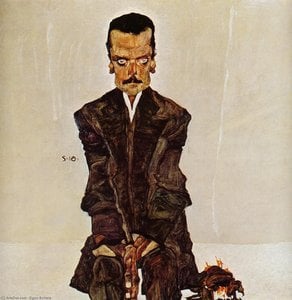
Жизнь Эгона Шиле
Городок Тульн в Нижней Австрии стал местом, где начался жизненный путь Эгона Шиле. Рожденный 12 июня 1890 года, он вошел в мир, скованный жесткими структурами Австро-Венгерской империи. Его отец, Адольф Шиле, занимал пост начальника станции Австрийских федеральных железных дорог, а мать, Мари, была известна под девичьей фамилией Соукуп. В кругу своей семьи Эгон рос вместе с тремя сестрами: Эльвирой, Мелани и Гертрудой.
Стабильность этого домашнего уклада была разрушена в самом начале. Тень болезни пронеслась по дому, оставив неизгладимый след в психике юного художника. Эти личные потрясения не просто остались в прошлом — они просочились в самую суть его будущих произведений. Он воспринимал окружающий мир с той острой чувствительностью к теме смертности, которая в конечном итоге определит его место в австрийском экспрессионизме. Само его существование превратилось в попытку перенести внутреннее напряжение на поверхность холста.
Его путь вел его к самому центру меняющегося европейского ландшафта. Он прокладывал дорогу сквозь конфликт между традиционными академическими канонами и зарождающейся потребностью в обнаженной, психологической правде. Жизнь Эгона Шиле — это череда интенсивных, зачастую мучительных столкновений с самой природой человеческого бытия. Он не стремился изобразить мир таким, каким он видится глазу, но стремился запечатлеть его так, как он вибрирует в нервной системе человека.
Ранние годы, семья и обучение
Стабильность юности Эгона Шиле рушится в 1904 году. Его отец, Адольф Шиле, работавший начальником станции, умирает от сифилиса. Эта болезнь, подхваченная во время медового месяца в Триесте, оставляет семью в нищете, а психику молодого художника — под гнетущей тенью душевного смятения и ярости его отца. Эгон растет вместе со своими тремя сестрами, Эльвирой, Мелани и Гертрудой, под опекой своего дяди по браку, Леопольда Цихачека. Даже в эти неспокойные годы в нем сохраняется увлечение поездами — мотив, который позже будет вновь и вновь всплывать в его работах.
Формальное обучение начинается под руководством репетитора Людвига Карла Штрауха. К 1906 году Шиле переезжает в Вену, чтобы поступить в Академию изобразительных искусств (Akademie der bildenden Künste). Атмосфера здесь оказывается крайне жесткой. Он всё острее чувствует противоречие с ультраконсервативным подходом профессора Кристиана Грипенкерля. Это трение становится невыносимым. Проведя три года в попытках освоить строгие академические традиции, Шиле окончательно покидает Академию, чтобы проложить свой собственный, независимый путь.
Переломный момент наступает, когда он встречает Густава Климта. Признанный мастер становится его наставником, предоставляя молодому художнику натурщиков и открывая ему двери в круги Венского Сецессиона. Эта связь знаменует собой переход от студента, сражающегося с традицией, к центральной фигуре зарождающегося авангарда.
Художественное становление в Вене
Вена становится эпицентром творческого напряжения в жизни Эгона Шиле. Блуждая по художественным кругам города, он в конечном итоге встречает Густава Климта. Эта встреча знаменует собой важнейший поворот в его судьбе. Впитывая влияние своего наставника, Эгон Шиле не просто копирует декоративные узоры Сецессиона; напротив, он начинает намеренно избавляться от всякого украшательства. Он стремится к более висцеральной, первобытной истине. К 1909 году он уже открыто бросает вызов устоявшемуся порядку, становясь сооснователем групп Neues Wiener Kunstgruppe и Neukunstgruppe. Эти движения становятся манифестом его разрыва с традицией.
Его пребывание в городе характеризуется беспокойным движением между бурлящими городскими центрами и тихими окраинами. Творческий поиск разворачивается в Вене, Кремсе, Клостернойбуре, Нойленгбахе и Праге. Это географическое расширение зеркально отражает экспансию его психики. Искусство Эгона Шиле эволюционирует от формальных рамок раннего обучения к обнаженному, беззащитному исследованию человеческого бытия. Напряжение той эпохи отчетливо проступает в его постоянно меняющихся эскизах и композициях.
Техника и экспрессионистский стиль
Линия является главным двигателем видения Эгона Шиле. Она не просто очерчивает форму, а вибрирует нервной, беспокойной энергией. Художник использует экспрессивный штрих, чтобы запечатлеть психологическое напряжение, что часто приводит к созданию искаженных поз и изломанных силуэтов. Фигуры кажутся вытянутыми, их конечности неестественно удлинены, чтобы передать глубокое чувство тревоги. Это не погоня за анатомическим совершенством, а попытка обнажить внутреннее состояние субъекта. Цвета кожи часто выглядят истощенными или болезненными, подчеркивая хрупкость и физическую уязвимость человеческого существа.
Его технический подход меняется в зависимости от материала, но интенсивность воздействия остается неизменной. В акварелях он использует свободные цветовые размывы для создания глубины и настроения, часто оставляя значительную часть бумаги незаполненной, чтобы усилить ощущение изоляции. В масляной живописи мазки несут в себе ту же резкую, прерывистую энергию, что и в его графике. Выходя за пределы двухмерного пространства, он также исследовал форму через скульптуру, работая с глиной и гипсом, чтобы запечатлеть саму тяжесть человеческого присутствия.
Ключевые работы и тематика
Холст в руках мастера превращается в пространство психологических раскопок. Эгон Шиле сталкивает зрителя с тяжелым присутствием смерти, сексуальности, тревоги и одиночества, пропуская их через призму беспощадной честности. В 1915 году он создает Смерть и девушку — произведение, где присутствие конечности бытия переплетается с эросом. Фигуры застыли в состоянии предельного напряжения, отражая внутреннюю борьбу, которая определяет всё его видение. Он постоянно возвращается к человеческой форме, чтобы запечатлеть эти невидимые состояния, используя тело как сосуд для выражения всей сложности человеческого существования.
Автопортрет для него становится повторяющимся методом самопознания. Он не стремится представить идеализированный, отшлифованный образ, но вместо этого обнажает уязвимость, часто изображая себя в искаженных или изможденных состояниях. В работе Автопортрет с физалисом он использует растение физалис как повторяющийся мотив. Это растение с его нежной, бумажной оболочкой символизирует мимолетность и хрупкость жизни. Данный ботанический элемент подчеркивает его одержимость темой распада и эфемерной природой человеческого бытия.
Личные привязанности также находят свое отражение в его композициях. В 1915 году он пишет Портрет Эдит Шиле, запечатлевая свою жену в манере, отражающей его уникальный экспрессивный язык. Его персонажи редко бывают статичными; они пульсируют нервной энергией, которая зеркально отражает изменчивые социальные и психологические ландшафты той эпохи. Следующие произведения представляют собой важнейшие вехи в его исследовании этих тем:
- Смерть и девушка (1915)
- Автопортрет с физалисом
- Портрет Эдит Шиле (1915)
Последние годы и смерть
Жизненный ландшафт Эгона Шиле претерпевает коренные изменения с приближением Первой мировой войны. Его брак с Эдит Хармс становится важным этапом личной трансформации, принося в его жизнь новую глубину. Однако идиллия семейного союза оказывается недолговечной, быстро прерванная суровыми требованиями военного времени. Призыв на военную службу бросает художника в самое сердце хаоса, охватившего мир, и этот период становится временем глубокого потрясения.
Финал наступает внезапно и с беспощадной биологической яростью. В 1918 году по Вене проносится пандемия испанского гриппа. Вирус уносит жизнь Эгона Шиле, когда ему было всего 28 лет. Он умирает 31 октября 1918 года, спустя совсем короткое время после кончины своей супруги Эдит, ставшей жертвой той же болезни. Жизнь художника обрывается внезапно, оставляя после себя наследие — корпус работ, в которых запечатлено напряжение угасающего, рушащегося мира.
Наследие и художественное влияние
Эгон Шиле предстает перед нами как одна из ключевых фигур австрийского экспрессионизма начала XX века. Его уход от декоративного золота движения Сецессион в сторону более висцерального, психологического исследования человеческой формы навсегда изменил траекторию фигуративной живописи. Он срывал покровы с внешней оболочки, чтобы обнажить нервную систему, используя ломаные, беспокойные линии для передачи трепета тревоги и желания. Этот акцент на внутреннем ландшафте, а не на идеализированной красоте, утвердил его в статусе великого мастера фигуративного жанра своей эпохи.
Влияние его творчества выходит далеко за пределы Вены. Последующие поколения художников находили в его радикальной честности важный прецедент, особенно те, кого привлекали темные и сложные пласты человеческой психики. Способность Шиле переводить личную травму и экзистенциальное напряжение на универсальный визуальный язык гарантирует его присутствие в дискурсе современного искусства. Сегодня его полотна хранятся в крупнейших музейных коллекциях по всему миру, являясь бесценными свидетельствами психологических сдвигов его времени.
- Автопортрет с физалисом
- Объятия пары
- Пейзаж поля (Кройцберг близ Крумау)
- Смерть и дева
Где можно увидеть его работы сегодня
Весь масштаб творческого наследия Эгона Шиле наиболее полно ощущается в Вене. Музей Леопольда хранит в своих стенах огромное сосредоточие его работ, оберегая первозданную энергию его набросков и полотен. Совсем рядом, в Австрийской галерее Бельведер, представлены значимые холсты, среди которых выделяется Смерть и дева (1915). Музейный ландшафт города продолжает хранить его наследие через Художественно-промышленный музей и Альбертину — оба этих учреждения владеют важнейшими произведениями его творчества.
За пределами австрийской столицы, в чешском городе Чешский Крумлов, открыто пространство, посвященное художнику — Центр искусства Эгона Шиле. Этот музей прослеживает эволюцию мастера через постоянную коллекцию, включающую акварели и рисунки тушью. В этой обстановке посетители могут воочию ощутить особую, пронзительную интенсивность его линии, на которой сосредоточено внимание музея в контексте развития его экспрессивного стиля.
- Смерть и дева (1915)
- Автопортрет с физалисом
- Обнимающаяся пара
- Семья


 Предпросмотр
 Поделиться
 Поделиться
 Детали произведения
 Руководство

 Скачать
 Похожие предметы
 Рентгенография
 Слайд-шоу
 Вопросы и ответы
 Статистика просмотров

 Читать далее
 Перейти к печатным копиям





































 Вариант со стеклом доступен только для размеров менее 110 см