x
ПредпросмотрПредпросмотр Предпросмотр в ARПредпросмотр в AR Купить принт Купить принтКупить картину ручной работы Купить картину ручной работы ПоделитьсяПоделиться
Детали произведенияДетали произведения Добавить в избранное Добавить в избранное СкачатьСкачать Похожие работыПохожие работы РентгенографияРентгенография Слайд-шоуСлайд-шоу

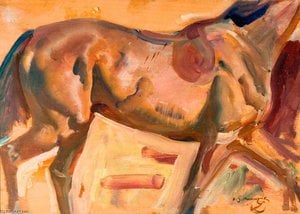
The Undefeated Asteroid

Edward Troye’s "The Undefeated Asteroid" (1864) showcases astonishing anatomical detail of a bay horse meticulously groomed by enslaved men in antebellum Virginia, revealing a poignant social commentary through masterful realism and scientific observation – discover this significant equine artwork.

Edward Troye (1808-1874): Swiss artist famed for accurate horse paintings – American Great Plains & Southern thoroughbreds. Author of 'Race Horses of America'.

Приобретите цифровое изображение высокого разрешения в улучшенном качестве, которое значительно превосходит онлайн-превью.

Каждый файл тщательно подготавливается нашими специалистами с использованием передовых инструментов и экспертной ручной ретуши. Мы гарантируем исключительную четкость, точную цветопередачу и детальную проработку каждого изображения.

Финальный файл доставляется по электронной почте в течение 72 часов и оптимизирован для немедленного использования в профессиональной среде, при верстке и печати. Это тот же уровень качества, которому доверяют ведущие дизайнерские студии, издательства и галереи.

Цифровое изображение

Скачайте файл высокого разрешения для личного использования, печати и творческих проектов. (Купить принт Купить принтКупить картину ручной работы Купить картину ручной работы)

Итоговая стоимость

$ 24,90

Включено в каждый заказ цифровых изображений

Гарантия экспертной цифровой доставки

Выбирая WahooArt.com, вы получаете не просто изображение — вы приобретаете профессионально обработанное цифровое произведение искусства, созданное с безупречной точностью и под защитой гарантии качества. Вот всё, что автоматически входит в ваш заказ:

shipping_icon
Мгновенная доставка по e-mail

Ваш цифровой файл в высоком разрешении будет отправлен вам по электронной почте в течение 72 часов после оформления заказа — и сразу станет доступен для использования.

canvas_icon
Цифровой файл с ИИ-улучшением

Ваше произведение искусства проходит профессиональную оптимизацию с использованием передовых инструментов ИИ и ручной обработки, что гарантирует максимальную детализацию, четкость и точность цветопередачи.

insurance_icon
Бессрочная бесплатная повторная доставка

Случайно удалили или потеряли файл? Не беспокойтесь — мы отправим его вам повторно в любое время и совершенно бесплатно.

tax_icon
Без импортных пошлин — навсегда

Наслаждайтесь вашим произведением искусства мгновенно без таможенных пошлин, сборов или затрат на доставку — цифровые загрузки всегда не облагаются налогом.

color_icon
Гарантия точности цветопередачи

Мы гарантируем, что ваше цифровое изображение максимально точно передает оригинальные цвета благодаря использованию профессиональных инструментов и систем управления цветом.

return_icon
Гарантия удовлетворения в течение 60 дней

Если вы останетесь не удовлетворены покупкой цифрового изображения, мы внесем в него правки или вернем 100% стоимости в течение 60 дней — без лишних вопросов.

guarantee_icon
100% Гарантия возврата средств

Не удовлетворены покупкой? Мы гарантируем полный возврат средств в течение 60 дней после получения вашего цифрового файла — без лишних вопросов.

discount_icon
Скидки на оптовые заказы

Купите 3 изображения, сэкономьте 10% — Купите 5, сэкономьте 15% — Купите 10+, сэкономьте 20%. Отличное решение для творческих проектов, галерей и агентств.

Основные сведения

  • Artistic style: Realism
  • Title: The Undefeated Asteroid
  • Medium: Oil on Canvas
  • Movement: Romanticism
  • Location: Private Collection
  • Subject or theme: Horse Portraiture
  • Notable elements or techniques: Detailed equine anatomy

The Undefeated Asteroid – A Portrait of Equestrian Dignity

Edward Troye’s “The Undefeated Asteroid,” painted in 1864, transcends mere equine representation; it embodies the spirit of a bygone era and speaks volumes about social dynamics within the American South during the antebellum period. This monumental canvas captures a pivotal moment – the meticulous grooming of a magnificent bay horse by two enslaved men—a scene meticulously rendered with unparalleled realism that continues to fascinate art historians and collectors alike.

A Masterclass in Anatomical Detail

Troye’s artistic prowess lies not just in capturing the beauty of the horse but in achieving an astonishing level of anatomical accuracy. Unlike many artists of his time who prioritized idealized forms, Troye relentlessly pursued truthfulness. He painstakingly dissected musculature, meticulously documented bone structure, and rendered every subtle nuance of equine anatomy with breathtaking precision. This dedication to scientific observation—a hallmark of animalier art—elevates “The Undefeated Asteroid” beyond a simple depiction of animals; it becomes a testament to Troye’s mastery of technique and his unwavering commitment to portraying subjects faithfully. The artist skillfully employed oil paints on canvas, layering thin glazes to build up tonal depth and creating textures that convincingly mimic the feel of horsehair and muscle fibers.

Historical Context: Racehorses and Slavery in Antebellum Virginia

The painting's significance extends far beyond its artistic merits. It exists within a complex sociohistorical framework—the burgeoning popularity of Thoroughbred racing in Virginia during the 1860s, coupled with the pervasive institution of slavery. The horse depicted is owned by John Minor Botts III, a wealthy planter and prominent figure in Richmond society. His stables employed enslaved men who cared for his horses, highlighting the intertwined roles of labor and leisure within the Southern economy. Troye’s portrayal isn't merely aesthetically pleasing; it serves as a visual record of this era—a poignant reminder of the human cost associated with economic prosperity. The inclusion of African American jockeys underscores the racial inequalities prevalent at the time, presenting them not as mere accessories to the horse but as integral participants in its care and success.

Symbolism: Resilience Amidst Oppression

“The Undefeated Asteroid” carries profound symbolic weight. The horse itself represents strength, nobility, and perseverance—qualities mirrored in the dignified postures of Botts’ attendants. Despite their subjugation under oppressive conditions, these men exhibit unwavering dedication to their craft and a palpable respect for their animal companion. Troye's deliberate framing—the stark contrast between the lush foliage surrounding the horse and the barren tree trunks—further amplifies this symbolism. It suggests that beauty and vitality can endure even in environments marked by hardship and deprivation. The gaze of Botts’ men, turned outward with thoughtful contemplation, speaks to a quiet dignity—a refusal to succumb to despair amidst adversity.

Emotional Impact: A Moment Frozen in Time

Ultimately, Troye's masterpiece evokes a powerful emotional response. It compels viewers to confront the uncomfortable realities of slavery while simultaneously appreciating the artistry and skill involved in its creation. The painting’s meticulous detail invites contemplation—encouraging us to consider not only the visual beauty but also the broader narrative it conveys about human dignity and resilience. “The Undefeated Asteroid” remains a hauntingly beautiful reminder of a specific historical moment, forever enshrined in oil paint on canvas as an enduring symbol of artistic excellence and social commentary.

Биография художника

Edward Troye: A Life Dedicated to Equine Art

Edward Troye (1808-1874) was a Swiss-born artist who became celebrated for his remarkably accurate and detailed depictions of American horses, particularly those of the Great Plains and Southern thoroughbreds. His work provides invaluable insight into equine history during a period before widespread photography.

Early Life and Origins

Born in Lannes, Switzerland, in 1808, details regarding Troye’s early artistic training remain scarce. He eventually emigrated to the United States, establishing himself as an artist specializing in horses – a subject that would define his career.

Artistic Development and Style

Troye's style is characterized by its meticulous realism and attention to anatomical detail. He wasn’t concerned with romanticizing or idealizing his subjects; instead, he focused on capturing the true essence of each horse – their musculature, conformation, and individual character. His paintings served as both artistic representations and valuable records of breeding lines and physical traits.

Subjects and Themes

  • Thoroughbreds: Troye frequently painted Southern United States thoroughbreds before the American Civil War, documenting prominent racehorses and their lineages.
  • Great Plains Horses: He is equally known for his depictions of horses native to the American Great Plains, capturing their wild spirit and rugged beauty.
  • Portraits: While primarily a horse painter, Troye also created portraits, often incorporating horses into the composition.

Major Achievements and Rediscovery

Troye’s most significant achievement lies in creating a visual record of American equine history during a crucial period. He authored Race Horses of America (1867), further solidifying his commitment to documenting these magnificent animals.

Interestingly, Troye's work remained largely unknown outside a small circle until 1912. Since then, over 300 of his paintings have been rediscovered and photographed, revealing the breadth and depth of his artistic output.

Influences

Information regarding specific artistic influences on Troye is limited. However, his dedication to realism suggests an appreciation for earlier masters who prioritized accurate representation. His work also reflects a growing interest in scientific observation during the 19th century.

Historical Significance

Edward Troye’s paintings are invaluable historical documents. They provide researchers and enthusiasts with detailed visual information about horse breeds, conformation, and breeding practices of the 19th century. His work offers a unique glimpse into a bygone era, preserving the legacy of these magnificent animals for future generations.

Later Life and Legacy

Troye spent his later years residing in Kentucky, near his friend Keen Richards. He passed away from pneumonia on July 25, 1874, and is buried in Georgetown Cemetery with his wife and grandson. Today, his paintings are highly sought after by collectors and museums, ensuring that his artistic legacy continues to thrive.

Edward Troye

Edward Troye

1808 - 1874 , Switzerland

Основные сведения

  • Birth Date: 1808
  • Birth Place: Lannes, Switzerland
  • Death Date: 1874
  • Movement: Animal painting, Historical art
  • Name: Edward Troye
  • Nationality: Swiss
  • Notable Works: Race Horses of America, Portrait of John Hartwell Cocke II of Bremo, The Undefeated Asteroid