БЕСПЛАТНАЯ КОНСУЛЬТАЦИЯ ПО ВОПРОСАМ ИСКУССТВА

x
Заказать принт Заказать принтКупить цифровое изображение Купить цифровое изображение ПоделитьсяПоделиться
ПодробнееПодробнее Добавить в избранное Добавить в избранное СкачатьСкачать Похожие работыПохожие работы РентгенографияРентгенография Слайд-шоуСлайд-шоу

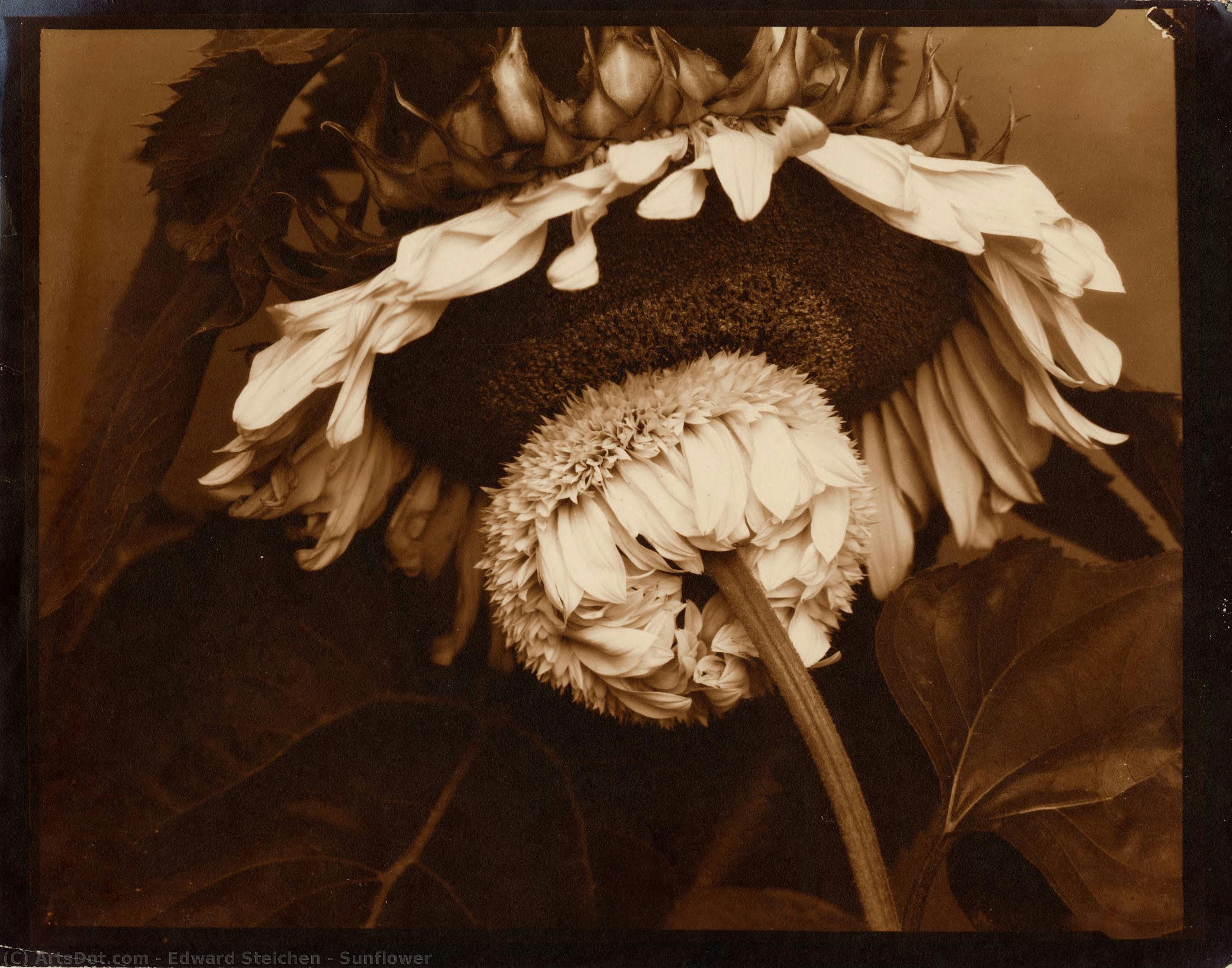
Sunflower

Edward Steichen's 'Sunflower' captures the vibrant beauty of nature with bold brushstrokes and rich colors. A stunning example of early 20th-century art, it showcases Steichen’s mastery and artistic vision.

Эдуард Стейчен, фотография, Pictorialism, мода, семья человека, искусство Декора

Масляная репродукция ручной работы

Картина маслом на холсте в выбранном вами размере и раме, написанная на заказ нашими художниками.

P118B $10
P118H $10
P118W $10
P438Z $10
P508JH $12
P508YH $12
P805H $10
P805Z $10
P919BZ $10
P919G $10
P919XJ $10
P959ZH $10
P968JZ $12
W106C $8
W218G $10
W218JH $8
W218Y $10
W307PJ $10
W316G $10
W316PJ $8
W316Y $10
W398PJ $8
W4111J $10
W500HY $15
W500JH $15
W692G $12
W849H $8
W940BG $15
W953PJ $8

Standard
custom
CM
INCH

Выберите один из наших стандартных размеров, соответствующих оригинальным пропорциям произведения искусства.

ширина
высота

Вы можете указать собственные размеры, чтобы картина идеально вписалась в выбранную раму или пространство. Если выбранный вами размер не соответствует пропорциям оригинала, мы либо обрежем полотно, либо расширим его за счет дополнительных элементов, написанных вручную. Цифровой макет будет отправлен вам на утверждение перед началом производства.
Обратите внимание, что предварительный просмотр на экране не отражает фактическую обрезку или расширение. Только макет точно покажет окончательную композицию.
Хотя доступны индивидуальные размеры, мы рекомендуем выбирать вариант из предопределенного списка, чтобы сохранить исходные пропорции.

Примеры того, что можно изменить: заменить лицо на фото клиента; добавить домашнее животное (например, заменить кошку на собаку); добавить скрытое послание на фон; изменить пейзаж или детали фона.
После оформления заказа команда WahooArt.com свяжется с клиентом по электронной почте для уточнения деталей и предоставит предварительный макет

Доставка по всему миру () за 3–4 недели вместо стандартных 5 недель. (2 Июль). Без компромиссов в качестве.

why_choose_icon
Бесплатная экспресс-доставка по всему миру
why_choose_icon
Высококачественный льняной холст
why_choose_icon
Полное страхование доставки
why_choose_icon
Гарантия возмещения таможенных пошлин
why_choose_icon
Гарантия точного соответствия цветов
why_choose_icon
Политика возврата в течение 60 дней (только при наличии дефектов)
why_choose_icon
Гарантия возврата 100% средств
why_choose_icon
Предложение оптовых скидок

Общая стоимость

-

reproduction

Sunflower

Техника репродукции

Размер репродукции

-

Итоговая стоимость

-

Основные сведения

  • Dimensions: 92.1 x 81.9 cm
  • Notable elements: Detailed brushstrokes
  • Year: 1920
  • Subject or theme: Floral still life
  • Title: Sunflower
  • Influences: Impressionism
  • Movement: Pictorialism

Тест по искусству

В каждом вопросе только один правильный ответ.

Вопрос 1:
What is the primary subject of Edward Steichen’s ‘Sunflower’?
Вопрос 2:
In what year was Edward Steichen’s ‘Sunflower’ painted?
Вопрос 3:
Edward Steichen was a pioneer in which photographic genre?
Вопрос 4:
What artistic movement is Edward Steichen most associated with?
Вопрос 5:
The ‘Sunflower’ painting utilizes what technique primarily?

Описание произведения

A Luxembourgian Seed Takes Root: The Genesis of “Sunflower”

Edward Steichen’s 1920 painting, "Sunflower," isn’t merely a depiction of a flower; it's a poignant distillation of memory, displacement, and the enduring search for belonging. Born in the small, unassuming village of Bivange, Luxembourg, in 1879 – a region steeped in history and shadowed by the shifting borders of Europe – Steichen’s early life was marked by an emigration to America at just eighteen months old. This relocation, a common experience for Luxembourgers facing economic hardship, instilled within him a profound sense of rootlessness, a feeling that would subtly permeate his artistic vision throughout his career. The painting itself emerges from this context; it's not simply a botanical study but a visual echo of a past left behind, a yearning for stability amidst constant change.

Steichen’s journey to America was fueled by the hope of opportunity and a desire to escape the limitations imposed by his birthplace. He quickly immersed himself in the vibrant artistic scene of Milwaukee, Wisconsin, where he honed his skills as a lithographer and began experimenting with photography – a medium that would ultimately become his defining voice. This early exposure to both visual arts laid the groundwork for his later ability to capture light, texture, and emotion with remarkable precision.

The Pictorialist’s Palette: Technique and Style

“Sunflower” exemplifies Steichen's mastery of the pictorialist style – a movement that sought to elevate photography to the level of fine art. The painting is rendered in tempera and oil on canvas, utilizing a muted palette dominated by earthy browns, ochres, and subtle greens. These colors evoke the rich soil from which the sunflower springs, grounding the image in a sense of naturalism while simultaneously lending it an air of quiet contemplation. Steichen’s brushwork is deliberately soft and blended, creating a hazy, dreamlike quality that obscures sharp details and invites the viewer to lose themselves within the scene.

The composition itself is carefully constructed. The sunflower dominates the center of the frame, its broad petals radiating outwards in an explosion of color and form. Steichen employs a technique known as *sfumato*, borrowed from Renaissance painting, to soften edges and create a sense of atmospheric perspective. This blurring effect not only adds depth but also contributes to the painting’s overall mood of melancholy and nostalgia. The lighting is particularly noteworthy – a diffused, almost ethereal glow that seems to emanate from within the flower itself, suggesting an inner life and vitality.

Symbolism in Bloom: Memory, Displacement, and Resilience

The sunflower, as a symbol, carries layers of meaning. Historically, it has represented adoration, loyalty, and longevity – qualities that resonate deeply with Steichen’s own experiences. The flower's tendency to follow the sun is often interpreted as a metaphor for seeking guidance and direction in life, a theme particularly relevant to an artist grappling with displacement and uncertainty. The painting can be seen as a visual representation of Steichen’s own journey – his departure from Luxembourg, his struggles to find acceptance in America, and his ongoing quest for artistic fulfillment.

Furthermore, the sunflower's association with remembrance is significant. It’s often used as a symbol of mourning and remembrance, connecting to the broader context of Steichen’s life – marked by personal loss and the challenges of adapting to a new culture. Despite these hardships, however, “Sunflower” ultimately conveys a sense of resilience and hope. The flower's vibrant colors and upward-reaching form suggest an enduring spirit, a testament to the human capacity for growth and renewal.

A Legacy in Light: Steichen’s Enduring Influence

Edward Steichen’s “Sunflower” stands as a powerful example of his artistic vision – a synthesis of technique, symbolism, and personal experience. His pioneering work in photography and painting profoundly influenced generations of artists, shaping the course of modern visual culture. Today, reproductions of this evocative image continue to captivate viewers with their quiet beauty and poignant message. It serves as a reminder that even amidst displacement and hardship, there is always room for growth, remembrance, and the enduring pursuit of light.


Биография художника

Edward Steichen: From a Man of His Time to an Artist Out of Time

Edward Steichen, later known as Edward Steichen, was a figure who transcended simple categorization. Born in 1879 in the small village of Bivange, Luxembourg, his life became an extraordinary journey from European roots to becoming one of America’s most influential artists – not merely as a photographer, but as a painter, curator, and visionary who reshaped how we perceive visual culture. The early years were marked by a significant relocation; in 1881, the Steichen family emigrated to Hancock, Michigan, seeking new opportunities. This move instilled in young Edward a sense of displacement and perhaps, a heightened sensitivity to observation – qualities that would profoundly shape his artistic vision. Even as a child, an innate talent for drawing was evident, nurtured by supportive parents who recognized and encouraged his creative inclinations. The pivotal moment arrived at sixteen when he received his first camera, initiating a period of largely self-directed learning through relentless experimentation. This wasn’t merely about mastering technique; it was about discovering a new language, a way to capture the world with an immediacy and intimacy previously unattainable. ### Early Life and Artistic Beginnings Edward Jean Steichen (STI-kehn) was born on March 27, 1879 in Bivange, Luxembourg. He was barely 2 years old when his parents moved to the United States, from Luxembourg; two years later, their daughter Lillian was born. (She would later marry poet Carl Sandburg, with whom Steichen would become close friends.) A hardworking and precociously inquisitive boy, Steichen once took apart his Western Union delivery bicycle and put it together again; he did the same with a watch and got it to run with two pieces left over. When a teacher at his college preparatory school praised one of his drawings, his mother who owned a hat shop and was the family’s chief breadwinner after her husband’s health declined from work in the copper mines determined that her son would become a great artist. Steichen got his first camera at the age of sixteen. Eagerly, he took a roll of fifty pictures, but when the film came back, only one of them had been clear enough to print. His mother said that the one picture was so beautiful it was worth the forty-nine failures, and, bolstered by her encouragement, Steichen taught himself photography (at the time, there were no classes and few books on the subject). His formal education having ended at the age of fifteen, he was then working as an lithographer. ### Pictorialism and Alfred Stieglitz: The Dawn of Photographic Art Steichen’s artistic journey began amidst the burgeoning Pictorialist movement – a bold attempt to elevate photography to the status of fine art. Influenced by Impressionists like Monet and Renoir, Steichen embraced soft focus and painterly effects to create images that evoked mood and atmosphere rather than simply documenting reality. This pursuit led him to Alfred Stieglitz, a kindred spirit who recognized Steichen’s exceptional talent. Together, they co-founded the Photo-Secession in 1902 – a group dedicated to promoting photography as a legitimate art form. The publication of *Camera Work*, a highly influential photographic journal, became their platform for disseminating ideas and showcasing groundbreaking work. Stieglitz championed Steichen’s vision and encouraged him to explore new techniques and concepts. He was instrumental in establishing the Photo-Secession's gallery in New York City – a space where avant-garde European art – Picasso, Matisse, Cézanne – was exhibited alongside photography, fostering cross-cultural dialogue and challenging conventional artistic boundaries. ### From Straight Photography to Cinematic Vision: Embracing Modernity The First World War proved catalytic for Steichen’s artistic evolution. He abandoned the ethereal qualities of Pictorialism, rejecting sentimentality in favor of clarity and directness – embracing what would become known as “Straight Photography.” This decisive shift reflected a broader cultural move towards modernity and mirrored the stylistic innovations championed by Stieglitz. Steichen's unwavering commitment to capturing reality with uncompromising precision established him as a pioneer in his field. He skillfully blended artistic vision with commercial success, demonstrating that creativity could thrive in diverse contexts. His work spanned photography, painting, and filmmaking – showcasing his versatility and intellectual curiosity. ### The Family of Man: A Universal Declaration Through Photography Steichen’s magnum opus remains *The Family of Man*, curated at the Museum of Modern Art in 1955. This monumental exhibition featured photographs from sixty-eight countries—a breathtaking panorama of human experience encompassing love, birth, death, joy, sorrow, and everything in between. Recognized by UNESCO’s Memory of the World Register, it stands as a testament to Steichen's belief in the unifying power of photography – an enduring symbol of compassion and understanding. He envisioned *The Family of Man* as a celebration of human diversity and a reminder that despite our differences, we share fundamental commonalities. ### Legacy and Influence: Shaping Visual Culture Edward Steichen died on March 25, 1973 in West Redding, Connecticut. His influence is multifaceted. He fundamentally altered perceptions of photography, elevating it from a purely technical process to a recognized art form. His pioneering work in fashion photography revolutionized the industry—setting standards for generations of designers and photographers to come. Steichen’s unwavering dedication to artistic integrity ensured that his legacy would endure beyond his lifetime. He wasn't merely documenting the world; he was interpreting it, shaping it, and ultimately, changing how we see it.
Эдуард Стеиген

Эдуард Стеиген

1900 - 1973 , Люксембург

Основные сведения

  • Artistic Movement Or Style: Фотореализм; Пикториализм
  • Artists Or Movements Influenced By This Artist: ['Пикториализм']
  • Artists Who Influenced This Artist: ['Альфред Stieglitz']
  • Date Of Birth: 27 марта 1879 г.
  • Full Name: Эдуард Жан Стеиген
  • Nationality: Американский
  • Notable Artworks:
    • Лунный пруд
    • Фиатрон
    • Портреты знаменитых
  • Place Of Death: Вест Ридинг, Коннектикут
Откройте для себя произведения искусства, подобранные по темам, стилям и характеристикам.