


Печать (жикле) или холст музейного качества с быстрыми сроками изготовления и широким выбором вариантов отделки. ( Купить картину ручной работы Перейти к цифровым изображениям)





























Выберите один из наших стандартных размеров, соответствующих оригинальным пропорциям произведения искусства.

Введите необходимую ширину и высоту, чтобы репродукция подошла к вашей раме или стене. При печати изображение можно только уменьшить, но нельзя увеличить больше оригинала, поэтому при выборе другого формата часть изображения может быть обрезана. Перед печатью мы отправим вам цифровой макет на утверждение. Изображение на этой странице не отображает реальную обрезку — ее можно увидеть только на макете.
Доставка по всему миру () за 2 недели вместо стандартных 4–5 недель. (8 Ноябрь)
Angels Pity
Размер репродукции
In the quiet, hallowed atmosphere of the Early Renaissance, few works capture the intersection of human sorrow and divine grace as poignantly as Carlo Crivelli’s "Angels Pity." Painted in 1470, this masterpiece serves as a profound meditation on tenderness and spiritual devotion. The scene unfolds with an intimate warmth, presenting Jesus cradling two children within his arms—a gesture that transcends mere historical depiction to become a universal symbol of protection and innocence. Surrounded by a celestial assembly of angels and watchful figures, the composition draws the viewer into a sacred circle of empathy. Even the subtle presence of a solitary bird in the upper corner acts as a silent witness, lending an air of tranquility to a moment heavy with emotional significance.
The artistry of Crivelli is on full display through his masterful command of color and light. Utilizing soft, luminous hues and delicate brushstrokes, the artist creates a sense of palpable intimacy that makes the divine feel reachable. The painting is a triumph of the Early Renaissance style, where every detail is rendered with an almost obsessive realism. Crivelli’s technique involves the meticulous application of oil glazes on wood panel, building layers of color to achieve a radiant depth. This method allows light to appear as if it is emanating from within the figures themselves, highlighting the soft textures of skin and the intricate folds of drapery, thereby inviting the observer to linger on the subtle nuances of the composition.
Beyond its visual splendor, "Angels Pity" is a rich tapestry of Christian iconography designed to provoke deep reflection. The arrangement of the figures within an arched niche creates a sense of sacred enclosure, separating the holy event from the mundane world. Every element serves a symbolic purpose: the tender way Jesus holds the children reflects the theological concept of divine mercy, while the surrounding angels represent the bridge between heaven and earth. Crivelli’s use of trompe l'oeil—a technique intended to trick the eye into perceiving three-dimensional reality—adds a layer of tactile presence to the work, making the spiritual themes feel grounded in a tangible, physical reality.
For the discerning collector or interior designer, this painting offers more than mere decoration; it provides an emotional anchor for any space. The somber yet serene mood makes it an ideal centerpiece for rooms dedicated to contemplation, study, or quiet luxury. Whether one is drawn to its historical significance as a product of the Venetian-influenced March of Ancona or moved by its profound expression of compassion, "Angels Pity" remains a timeless testament to the power of art to evoke the sublime. Owning a high-quality reproduction of this work allows for the preservation of this Renaissance spirit, bringing a sense of historical weight and aesthetic harmony into the modern home.
Вы можете примерить работу «Angels Pity», Карло Кривелли на свою стену с помощью страницы Просмотр в AR, используя технологию дополненной реальности на совместимом устройстве.
Похожие работы можно найти на странице Похожие работы произведения «Angels Pity».
«Angels Pity», Карло Кривелли относится к эпохе Renaissance. Этот период определяет исторический контекст произведения.

Карло Кривелли, выдающийся итальянский живописец эпохи Возрождения, родился в Венеции примерно в 1430–1435 годах. Выходец из семьи художников, он прошел путь своего художественного становления в Венеции и Падуе. Считается, что первые шаги мастера были сделаны под руководством Джакобелло дель Фьоре, чья творческая деятельность продолжалась в 1436 году. Кроме того, он обучался в знаменитой венецианской школе Виварини.
Первые годы своей деятельности Кривелли провел в регионе Венето, впитывая бесценный опыт таких мастеров, как Виварини, Скуарчоне и Мантенья. Однако к 1458 году он покинул Венето и большую часть своей карьеры посвятил Марке Анконской, где сформировал уникальный, самобытный стиль, разительно отличающийся от работ его венецианского современника Джованни Беллини. Творчество Кривелли пропитано консервативной декоративностью поздней готики, для которой характерны поразительная линейная четкость, маниакальное внимание к мельчайшим деталям и виртуозное использование техники «trompe l'oeil», создающей иллюзию осязаемой реальности.
* Картина Карло Кривелли «Мадонна с младенцем на престоле» (106 x 55 см, Музей изящных искусств, Будапешт, Венгрия) служит эталонным примером его мастерства. * В ряде проектов он тесно сотрудничал со своим младшим братом Витторио Кривелли. * Его учеником и соратником был Пьетро Алеманно, художник, переехавший в Марку Анконскую из Германии и Австрии.
* В Пинакотеке Брера в Милане (Италия) хранится несколько произведений Кривелли, включая монументальную «Пьету» (128 x 241 см). * Музей Сан-Джованни-ин-Брагора в Венеции обладает богатейшей коллекцией предметов искусства различных эпох, среди которых есть полотна, приписываемые кисти Кривелли.
Наследие Кривелли продолжает восхищать как ценителей искусства, так и ученых, а его работы остаются живым свидетельством непреходящей силы декоративного духа поздней готики.

1435 - 1495 , Италия

Discover the enduring legacy of oil on board painting. Explore how historical techniques, rich impasto textures, and structural durability create timeless masterpieces that bridge Renaissance grandeur with modern art collecting excellence.

Discover the profound allure of oil on canvas. Explore the mastery of impasto textures, the science of pigment longevity, and expert guides to selecting museum-quality reproductions that elevate your collection with timeless elegance and tactile depth.

Discover the enduring allure of oil on canvas. Explore how master techniques like impasto and glazing create the depth, texture, and emotional resonance found in the world's greatest masterpieces. An essential guide for fine art enthusiasts and discerning collectors.

Discover the enduring allure of hand-painted oil reproductions. WahooArt offers museum-quality, archival masterpieces designed for discerning collectors seeking timeless beauty and a lasting legacy. Invest in fine art that transcends generations with our expert craftsmanship.
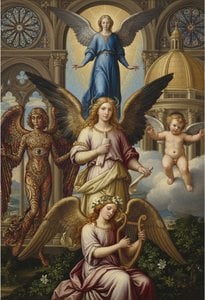
Explore the profound beauty of angelic figures in art history. From Renaissance masterpieces to celestial symbolism, our expert guide offers a sophisticated journey through the divine imagery of the Old Masters for discerning collectors and art enthusiasts.
 Предпросмотр
 Поделиться
 Поделиться
 Детали произведения
 Руководство

 Скачать
 Похожие предметы
 Рентгенография
 Слайд-шоу
 Вопросы и ответы
 Статистика просмотров

 Читать далее









 Вариант со стеклом доступен только для размеров менее 110 см


