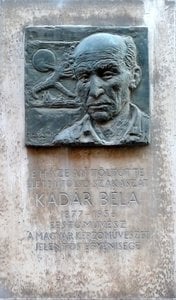
Венгерский голос авангарда: Жизнь и искусство Белы Кадара
Родившись в 1877 году в Будапеште в еврейской семье рабочего класса, Бела Кадар прошел путь становления ключевой фигуры венгерского авангарда начала XX века через испытания и непоколебимую преданность художественному поиску. Его формальное образование ограничивалось лишь шестью годами обучения, однако именно это отсутствие традиционной академической подготовки, казалось, освободило его от условностей, позволив сформироваться уникальному, глубоко личному визуальному языку. Профессиональный путь Кадара начался не с кисти в руках, а с ученичества в мастерской токаря — ремесло, которое оказало глубокое влияние на его художественное восприятие, привив ему тонкое понимание формы, структуры и той скрытой красоты, что таится в индустриальных материалах. Даже в те ранние годы его творческий дух проявлялся во всей полноте: поначалу он сосредоточился на росписи муралов по всему Будапесту, демонстрируя врожденную склонность к масштабной визуальной экспрессии и повествовательности. Этот фундамент заложил основу для тех смелых и динамичных композиций, которые впоследствии станут визитной карточкой его творчества.
Париж, Берлин и синтез стилей
Настоящим катализатором творческого развития Кадара стали путешествия в Париж и Берлин в 1910 году. Эти поездки открыли ему многогранный мир зарождающихся авангардных течений, охвативших Западную Европу, и безвозвратно изменили траекторию его искусства. Он соприкоснулся с радикальными идеями «Синего всадника», фрагментированными формами кубизма, динамизмом футуризма и первобытной энергией неопримитивизма — этими влияниями он не просто воспользовался, а сумел синтезировать их в самобытный визуальный словарь. Кадар не стремился примкнуть к какой-то одной «школе»; напротив, он посвятил себя непрерывному исследованию формы, цвета и композиции, движимый неутолимым желанием вырваться из оков традиционного репрезентативного искусства. Он впитывал элементы конструктивизма и даже призрачную, сновидческую эстетику метафизической живописи, сплетая их в сложное полотно, отражающее его уникальный взгляд на мир. Этот период стал решающим поворотным моментом, превратив многообещающего мастера муралов в подлинно новаторского художника, стоящего на пороге мирового признания.
Признание и выход на международную арену
Триумфальный момент для Кадара наступил в октябре 1923 года с выставкой в престижной берлинской галерее «Der Sturm» Герварта Вальдена. Эта экспозиция представила его работы в отчетливом экспрессионистском стиле, что мгновенно привлекло внимание критиков и утвердило его как значимую силу на европейской арт-сцене. Галерея, известная поддержкой радикальных новых голосов, предоставила Кадару идеальную платформу для общения с коллекционерами и современниками, разделявшими его страсть к эксперименту. Дальнейшее укрепление его международного авторитета обеспечили две выставки, организованные Кэтрин Дрейер в Бруклинском музете искусств в Нью-Йорке в 1926 и 1928 годах. Примечательно, что Кадар лично посетил вторую выставку, тем самым закрепив свое присутствие на американском художественном ландшафте и установив ценные связи с развивающимся модернистским движением по ту сторону Атлантики. Его полотна того периода часто воспевали сцены из венгерского фольклора, интимные портреты и фрагменты деревенской жизни — сюжеты, воплощенные в смелой палитре и динамичных композициях, которые улавливали одновременно дух его родины и энергию наступающей современной эпохи.
Наследие смелого новаторства
Художественный стиль Белы Кадара узнаваем мгновенно благодаря яркому и экспрессивному использованию цвета, где он часто применял не натуралистичные оттенки для передачи эмоций и атмосферы. Его композиции пронизаны ощутимым чувством движения и энергии, достигаемым через игру линий, фигур и форм, которые словно вибрируют на холсте. Он часто прибегал к технике импасто — нанесению густых слоев краски, создавая текстурированные поверхности, которые усиливают визуальное воздействие работ и приглашают зрителя к почти тактильному исследованию полотна. Но, пожалуй, что по-настоящему выделяет Кадара, так это его поразительная способность синтезировать столь разнообразные влияния в единый, цельный и оригинальный стиль. Он представляет собой важнейшее связующее звено между венгерским авангардом и более широкими европейскими движениями своего времени, отражая социальные и политические потрясения начала XX века в своем искусстве. Хотя при жизни он не всегда пользовался столь широким признанием, как некоторые его современники, творчество Кадара переживает ренессанс в последние десятилетия: ученые все чаще признают его неоценимый вклад в современное искусство. Он ушел из жизни в Будапесте в 1956 году, оставив после себя наследие смелых и новаторских картин, которые продолжают вдохновлять художников и покорять публику — свидетельство непреходящей силы мастера, осмелившегося проложить собственный путь.
Ключевые характеристики творчества Кадара
- Смелая цветовая палитра: Кадар был знаменит своим ярким и экспрессивным использованием цвета, часто прибегая к нереалистичным оттенкам для передачи настроения и атмосферы.
- Динамичная композиция: Его работы характеризуются ощущением движения и энергии, рождающимся в сложном взаимодействии линий, форм и фигур.
- Техника импасто: Он часто использовал густые мазки (импасто) для создания рельефных поверхностей, усиливающих визуальную мощь его произведений.
- Уникальный синтез: Способность Кадара объединять различные художественные течения в единый оригинальный стиль делает его одной из ключевых фигур искусства начала XX века.
- Темы и сюжеты: Его живопись часто обращается к фольклору, сельской жизни и интимным портретам, исполненным в смелых тонах, а также исследует абстрактные темы через призму фрагментированных форм.



 Примерить в интерьере
 Переключиться на печать
 Отправить
 Поделиться
 Подробнее
 Руководство

 Скачать
 Похожие объекты
 Рентгенография
 Слайд-шоу
 Статистика
 Развернуть текст