


 Acrylic On CanvasWallArtRenaissance
 1500Renaissance
 72.0 x 54.0 cm
Печать (жикле) или холст музейного качества с быстрыми сроками изготовления и широким выбором вариантов отделки. ( Купить картину ручной работы Купить изображение)





























Выберите один из наших стандартных размеров, соответствующих оригинальным пропорциям произведения искусства.

Вы можете указать свои собственные размеры, чтобы репродукция идеально подошла под конкретную раму или пространство. Если выбранный вами размер не будет соответствовать пропорциям оригинала, мы либо обрежем произведение, либо дополним изображение зеркальным отражением краев или однотонной заливкой. Перед началом производства вам будет отправлен цифровой макет для утверждения.
Пожалуйста, обратите внимание, что предварительный просмотр на экране не отображает фактическую обрезку или расширение изображения. Только макет точно покажет финальную композицию.
Несмотря на возможность заказа индивидуальных размеров, мы рекомендуем выбирать размер из предопределенного списка, чтобы сохранить оригинальные пропорции.
Доставка по всему миру () за 2 недели вместо стандартных 4/5 недель. (7 Сентябрь)


Ecce Homo.
Размер репродукции
Andrea Mantegna’s Ecce Homo stands as a monumental achievement of Renaissance art—a poignant meditation on suffering and divine sacrifice rendered with unparalleled precision and psychological depth.
Painted in 1500, this tempera on canvas artwork measuring 72 x 54 cm resides at the Musée Jacquemart-André in Paris. The painting confronts viewers with a stark depiction of Jesus Christ being presented to Pontius Pilate by the crowd—a pivotal moment recounted in John’s Gospel. Mantegna eschews grand theatricality, opting for a claustrophobic framing around Christ’s bust, emphasizing his vulnerability against the backdrop of hostile faces.
Mantegna's masterful use of tempera on canvas achieves a remarkable level of textural detail and luminosity. The muted color palette—dominated by earthy tones—contrasts sharply with the radiant aureole encircling Christ’s head, symbolizing his divine glory. This technique reflects Mantegna’s deep engagement with classical sculpture, particularly Roman portrait busts, informing his approach to anatomical accuracy.
The artist meticulously captures the physicality of suffering—the flayed torso bearing visible wounds from flagellation, the bound wrists and neck—creating an image that transcends mere representation, conveying profound emotional resonance. The careful shading contributes to a palpable sense of drama and immediacy.
Andrea Mantegna (1431-1506) emerged as a leading figure in Padua’s artistic milieu during the Early Renaissance—a period characterized by renewed interest in classical antiquity and an ambitious pursuit of artistic innovation. His influence extended far beyond his native Veneto, shaping the aesthetic sensibilities of artists across Europe.
Ecce Homo embodies Mantegna's pioneering spirit—his willingness to challenge conventions and explore new expressive possibilities. It stands as a testament to the enduring legacy of Renaissance art and its capacity to grapple with complex theological themes.
More than just a depiction of biblical narrative, Ecce Homo is an emblem of humanist contemplation—a profound meditation on human dignity and divine compassion. Its enduring power resides in Mantegna’s ability to transform a solemn religious scene into a masterpiece of visual artistry.
For those seeking inspiration or contemplating acquiring a stunning reproduction, visit WahooArt—where you can immerse yourself in the beauty and intellectual richness of Renaissance art.


1431 - 1506 , Италия
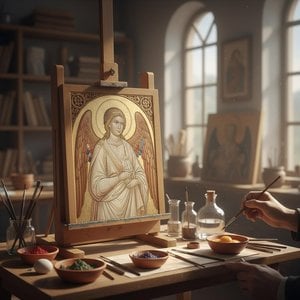
Unveil the sacred secrets of egg tempera on panel. Journey through the technical mastery and profound artistry of the Old Masters, from Giotto to Botticelli. An essential educational guide for Renaissance art enthusiasts seeking deep historical insight and expertise.

Embark on a visual journey through Italy's most iconic landscapes and Renaissance masterpieces. Discover the profound beauty of classical art, from Venetian altarpieces to serene countryside vistas, curated for the discerning art enthusiast and collector.

Embark on a sophisticated journey through Italian Baroque art. Discover the dramatic interplay of light and emotion in Caravaggio’s masterpieces and explore how to bring this timeless grandeur into your collection with expert art insights.

 Предпросмотр
 Поделиться
 Поделиться
 Детали произведения

 Скачать
 Похожие работы
 Рентгенография
 Слайд-шоу
 Читать далее







 Вариант со стеклом доступен только для размеров менее 110 см


