Первооткрыватель ориенталистских видений: Жизнь и искусство Александра Габриэля Декампса
Александр Габриэль Декампс — имя, резонирующее с яркими красками экзотических пейзажей и драматизмом романтизма, — стал ключевой фигурой во французской живописи XIX века. Рожденный в Париже 3 марта 1803 года, он прошел путь смелых инноваций, бросая вызов академическим канонам и прокладывая тропу к тому, что позже назовут ориентализмом. В то время как его современники, такие как Делакруа и Энгр, занимали видные позиции в мире французского искусства, Декампс выделился благодаря глубоко личному стилю — сочетанию тщательного наблюдения, драматической композиции и пленительного повествовательного мастерства, которое погружало зрителя в миры одновременно знакомые и совершенно чуждые. Его раннее признание как талантливого мастера предвещало карьеру, отмеченную триумфами, кульминацией которых стала большая или советская медаль на Парижской выставке 1855 года — свидетельство его исключительного мастерства и уникального видения. Помимо холста, Декампс был человеком, глубоко связанным с природой; он находил утешение и вдохновение в сельской местности вокруг Парижа, предаваясь своей страсти к животным и охоте — увлечению, которое тонко пронизывало значительную часть его творческого наследия.
От Писания до Сахары: Эволюция художественного стиля
Творческое развитие Декампса характеризовалось готовностью исследовать самые разные сюжеты и техники. Первоначально увлеченный историческими и библейскими сценами, он быстро заслужил признание, изображая эти повествования с беспрецедентным уровнем реализма — помещая их в подлинные локальные декорации, а не полагаясь на идеализированные или традиционные представления. Эта приверженность достоверности проистекала из его путешествий на Восток — опыта, который глубоко повлиял на его художественное восприятие. Он не просто изображал увиденное; он передавал само ощущение атмосферы, света и самой сути этих далеких земель. Например, картина
Иосиф, проданный братьями — это не просто иллюстрация библейского сюжета, а живое воплощение конкретного времени и места, наполненное эмоциональной глубиной и психологической проницательностью. Этот подход распространился и на его масштабные исторические полотна, такие как
Поражение кимвров, где он мастерски запечатлел хаос и жестокость битвы, демонстрируя способность работать с крупными композициями с динамичной энергией. Однако именно изображения восточной жизни по-настоящему выделили его среди современников. Он раскрывал повседневные сцены — рынки, школы, домашние интерьеры — с такой точностью, которая поначалу сбивала с толку критиков, привыкших к более романтизированным или стереотипным репрезентациям.
Отец ориентализма и его непреходящее влияние
Декампса по праву считают основоположником ориентализма во французской живописи. До него изображения Востока часто проходили через призму фантазии и экзотизма. Он же представил иное видение — укорененное в прямом наблюдении и искреннем любопытстве. Его участие в Салоне 1831 года стало поворотным моментом, открыв парижской публике неприкрашенный взгляд на жизнь Северной Африки и Ближнего Востока. Этот новаторский подход нашел отклик как у художников, так и у писателей, вдохновив волну ориенталистских работ, которые будут доминировать в искусстве большей части XIX века. Его стиль, характеризующийся смелыми мазками, поразительным контрастом света и тени и ощутимым присутствием атмосферы, стал ориентиром для поколений живописцев, фотогралофов и авторов.
Максим Дюам прославился тем, что назвал его «Христофором Колумбом Востока», признавая его первопроходческую роль в открытии новых художественных территорий. Картина
Албанская танцовщица с ее яркими цветами и энергичной композицией служит примером его способности уловить дух культуры, сохраняя при этом отчетливо французскую эстетическую чувственность. Даже сатирические работы, такие как
Оценщики-обезьяны — ироничный выпад в сторону консервативного жюри Академии изящных искусств, — демонстрируют его готовность бросать вызов установленным нормам и придерживаться независимого творческого видения.
Трагический финал и вечное наследие
К сожалению, жизнь Декампса оборвалась 22 августа 1860 года в возрасте 57 лет после несчастного случая на охоте близ Фонтенбло. Его преждевременная смерть лишила мир искусства поистине новаторского таланта, но его наследие продолжает жить благодаря пленительным полотнам и их непреходящей притягательности. Сегодня такие шедевры, как
Пожар в итальянской деревне, с его драматическим изображением конфликта и мастерским использованием импасто, и
Бедуин и верблюд, отдыхающие в пустыне, демонстрирующая текстуру и спокойствие пустынной жизни, почитаются за их художественную ценность и историческую значимость. Его работы можно найти в престижных институциях, таких как Музей Лувр в Париже, что гарантирует, что его видение будет продолжать вдохновлять аудиторию по всему миру. Платформы вроде WahooArt.com играют жизненно важную роль в сохранении и распространении его искусства, предлагая высококачественные репродукции, которые позволяют ценителям прикоснуться к красоте и силе живописи Декампса. Его влияние выходит за рамки живописи, формируя восприятие Востока и оставляя неизгладимый след в культурном ландшафте Европы XIX века.
Исследуя мир Декампса: Знаковые работы
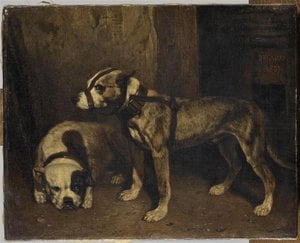
- CHIENS BRIFAUTS: Очаровательная ориенталистская сцена, изображающая собак в ярких декорациях.
- LA COUR DE FERME: Завораживающая картина XIX века, сочетающая французский романтизм с исторической детализацией.
- L’ÉCOLE TURQUE: Оживленное изображение турецкой школы, передающее энергию и атмосферу повседневной жизни.
- PAYSAGE TURC: Безмятежный пейзаж, исследующий реализм и романтизм в французской манере.



 Предпросмотр
 Купить картину ручной работы
 Поделиться
 Поделиться
 Детали произведения

 Скачать
 Похожие работы
 Рентгенография
 Слайд-шоу
 Статистика

 Читать далее






































 Вариант со стеклом доступен только для размеров менее 110 см