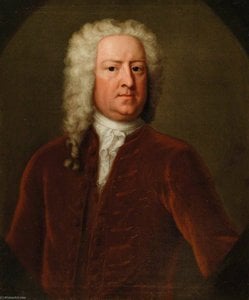
Биография художника
Жизнь на стыке традиций и современности
Альберт Эртер, родившийся в Нью-Йорке в 1871 году, стал знаковой фигурой в американском искусстве эпохи динамичных перемен. Его жизненный путь неразрывно связан с художественным наследием, семейным успехом и преданностью самым разным творческим начинаниям — от живописи и иллюстрации до монументальной росписи и даже текстильного производства. Будучи сыном Кристиана Эртера, сооснователя знаменитой фирмы по дизайну интерьеров Herter Brothers, Альберт с ранних лет находился в среде, где ценилась эстетическая утонченность. Такое воспитание привило ему не только любовь к прекрасному, но и практическое понимание принципов дизайна, которые определяли его творческие поиски на протяжении всей карьеры. Получив классическое образование в Лиге студентов-художников в Нью-Йорке, он заложил фундамент владения традиционными техниками, прежде чем отправиться в Париж, чтобы отточить свое мастерство под руководством Жана-Поля Лорена и Фернана Кормона. Это европейское странствие стало поворотным моментом, открыв ему доступ к классическим традициям и сформировав его первоначальный художественный стиль.
От парижских салонов до американских муралов
Ранняя карьера Эртера расцвела, принеся ему признание по обе стороны Атлантики. Почетное упоминание на престижном Парижском салоне в 1890 году за работу «La Femme de Buddha» («Женщина Будды») ознаменовало многообещающее начало, за которым последовали награды от Пенсильванской академии изящных искусств и Американского общества акварелистов. Эти успехи утвердили его в статусе восходящего таланта, способного сочетать техническое мастерство с глубоким эмоциональным резонансом. Несмотря на успех в станковой живописи, Эртер быстро расширил границы своего творчества. Он добился значительных успехов как иллюстратор, работая для таких популярных изданий, как Ladies' Home Journal, и иллюстрируя книги, демонстрируя универсальность, столь ценимую в развивающемся мире коммерческого искусства. Однако именно масштабные заказы на роспись стен оставили за Эртером истинный след в американском культурном ландшафте. Его аллегорическое изображение Декларации независимости США для Денверского аудитория продемонстрировало умение превращать сложные исторические нарративы в визуально захватывающие образы. Этот талант привел к участию в престижных проектах, украсивших Капитолий штата Массачусетс, Капитолий Висконсина и Публичную библиотеку Лос-Анджелеса — монументальные работы, закрепившие за ним репутацию ведущего мастера мурализма своего времени. Пожалуй, самым пронзительным и исторически значимым его творением является «Le Départ des Poilus, Août 1914» («Уход пехотинцев, август 1914 года»), созданная для вокзала Gare de Paris-Est в Париже. Эта мощная фреска, посвященная началу Первой мировой войны, с глубоким драматизмом включает портреты его сына и жены, превращая общенациональное событие в глубоко личное высказывание.
Наследие, вплетенное в искусство и предпринимательство
Помимо достижений в живописи и монументализме, Альберт Эртер проявил предпринимательский дух, отражающий наследие его семьи. После закрытия фирмы Herter Brothers в 1906 году, он основал в 1909 году Herter Looms — предприятие по дизайну и производству гобеленов и текстиля. Это начинание не было просто коммерческим проектом; оно стало продолжением художественной традиции, заложенной его отцом, где мастерство сочеталось с творчеством. Фирма быстро получила признание благодаря высококачественному текстилю и новаторским узорам, еще сильнее утвердив имя Эртера как синоним изысканной эстетики. Его многогранность проявилась и в дизайне интерьеров: он привносил роскошь в оформление таких театров, как Loew's Warfield Theater в Сан-Франциско и Martin Beck Theatre в Нью-Йорке — пространств, призванных погружать зрителей в миры красоты и зрелищ.
Неизгладимый след в американском искусстве
Художественный стиль Альберта Эртера представляет собой удивительный синтез академической подготовки, иллюстраторского мастерства и декоративного чутья. Хотя его работы не всегда шли в ногу с авангардными течениями начала XX века, они воплощают в себе утонченное сочетание реализма и романтизма. Его росписи особенно примечательны своим масштабом, исторической тематикой и тщательным вниманием к деталям, что внесло значительный вклад в развитие паблик-арта в Америке. Он ушел из жизни 15 февраля 1950 года, оставив после себя многогранное наследие, которое продолжает откликаться в сердцах благодаря сочетанию технического совершенства и эмоциональной глубины. И хотя сегодня он, возможно, не так широко известен, как некоторые его современники, Альберт Эртер остается важной фигурой в истории американского искусства — свидетельством непреходящей силы художественного видения и созидательного духа. Его жизнь служит напоминанием о временах, когда искусство было глубоко интегрировано во все аспекты бытия — от величественных общественных зданий до уютных домашних интерьеров, а художники часто были полиматами, виртуозно владевшими множеством творческих дисциплин. Его наследие вплетено не только в полотна, которые он писал, и стены, которые он расписывал, но и в саму ткань американского дизайна.



 Примерить в интерьере
 Переключиться на печать
 Отправить
 Поделиться
 Подробнее
 Руководство

 Скачать
 Похожие объекты
 Рентгенография
 Слайд-шоу
 Статистика
 Развернуть текст