A Legacy Woven in Silk and Shadow: Exploring the Bolshoi’s Museum
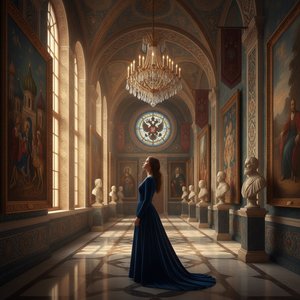
Stepping into the Bolshoi Theatre’s museum is akin to entering a meticulously preserved time capsule, a vibrant chronicle of Russia’s artistic soul. More than simply a repository of artifacts, it's an immersive journey through centuries of ballet and opera, revealing not just the grandeur of performance but also the intimate details of creation – from the initial sketches of legendary designers to the very fabrics that graced the stage. The museum isn’t arranged as a static display; instead, it unfolds like a story, inviting visitors to trace the evolution of Russian theatrical artistry with an almost tactile intimacy. It's a place where one can truly feel the breath of history and the passion poured into every creation.
The building itself, nestled within the historic heart of Moscow, is a testament to architectural ambition and enduring resilience. Originally conceived by the visionary architect Andrei Mikhailov in the early 19th century, the Bolshoi’s façade – a breathtaking fusion of neoclassical symmetry and intricate sculptural detail – was tragically interrupted by devastating fires in 1805 and 1853. These calamities, far from extinguishing the theatre's spirit, spurred an extraordinary period of reconstruction under Alberto Cavos, who masterfully integrated historical preservation with a bold vision for the future. The result is a building that whispers tales of both loss and rebirth – a tangible embodiment of Russia’s enduring strength, its ability to rise again from the ashes of adversity. Its imposing presence dominates Teatralnaya Square, a constant reminder of Russia's artistic heritage.
A Treasure Trove of Costume Design
At the heart of the museum lies an extraordinary collection of costume designs, a vibrant chronicle of Russian ballet and opera through the ages. These aren’t merely beautiful garments; they are windows into the creative process, revealing the profound understanding of movement, emotion, and theatrical storytelling that defined Russia’s balletic tradition. Delicate sketches by legendary designers like Marius Petipa and Konstantin Branislavski – often rendered in exquisite detail with charcoal and watercolor – offer a glimpse into the initial conceptualization of each production. Imagine tracing the hand of Petipa as he meticulously plotted the swirling skirts of *La Bayadère*, or witnessing Branislavski’s preliminary studies for the opulent robes of *The Pharaoh’s Daughter*. Alongside these drawings are original garments from iconic performances, showcasing the meticulous craftsmanship and innovative techniques employed by master tailors and seamstresses. The collection isn't just about aesthetics; it’s a testament to the dedication required to bring fantastical worlds to life on stage.
Notably, the museum highlights the influence of Salvador Dali’s set designs for “Los Sacos Del Molinero,” a surrealist ballet that pushed the boundaries of theatrical visual language. This unexpected connection demonstrates how artistic influences extended beyond traditional balletic aesthetics, showcasing a willingness to experiment and challenge conventions. The curators have recently focused on showcasing costume evolution, celebrating artists like Vladimir Baranov-Rossiné, whose Cubo-Futurist paintings—characterized by dynamic camouflage techniques and a synaesthetic exploration of color and form—provide a fascinating counterpoint to the more traditional balletic aesthetic. These pieces aren’t just beautiful; they are windows into the creative process, showcasing the dedication and skill that shaped Russia’s balletic tradition.
Echoes of the Past: Scores, Programs, and Photographs
Beyond the dazzling costumes, the museum houses a wealth of supporting materials that paint a richer picture of the Bolshoi's history. A remarkable array of scores – from early 19th-century operas to 20th-century ballets – offers insight into the musical landscape of each production. Imagine listening to the original score of *Swan Lake*, feeling the pulse of Tchaikovsky’s genius as it was conceived for the stage. Program booklets, meticulously printed and often adorned with stunning illustrations, provide details on cast members, stage designs, and critical reviews—a snapshot of public opinion at the time of each performance. Furthermore, a collection of vintage photographs captures the theatre’s early years, revealing the personalities involved in shaping its legacy – from the pioneering composers to the charismatic performers who graced its stage. These materials offer invaluable glimpses into the formative decades, revealing the dedication and skill that shaped Russia’s balletic tradition.
Architectural Gems & Ongoing Storytelling
The Bolshoi Theatre itself is an architectural masterpiece, deserving of separate admiration. The façade, with its imposing columns, intricate sculptures, and soaring dome, embodies neoclassical grandeur and imperial ambition. Adjacent to the theatre stands the Kazán Cathedral, a stunning example of Russian neoclassicism, reflecting the city’s rich artistic heritage. Its harmonious design—a testament to the skill of Russian architects—complements the Bolshoi's imposing presence, creating a visual dialogue between power and beauty. The museum actively seeks to reinterpret the Bolshoi’s legacy through fresh perspectives, ensuring that it remains a dynamic and relevant cultural institution. The recent renovation, completed in 2011, not only restored the theatre to its former glory but also incorporated modern technology to enhance the visitor experience.
A Living Monument: The Bolshoi’s Enduring Influence
More than just a repository of artifacts, the Bolshoi Theatre is a living monument to Russia’s artistic soul. It continues to attract top talent from around the globe, upholding the highest standards of excellence and solidifying its position as a beacon of inspiration for artists everywhere. Visiting this theatre isn't merely witnessing performance; it’s immersing oneself in Russia’s cultural identity—a celebration of passion, beauty, and an enduring legacy that resonates across centuries. The museum stands as a vital reminder of the creative forces that have shaped not only the Bolshoi but also the broader narrative of Russian art and culture. It is a place where history comes alive, inviting visitors to connect with the spirit of Russia’s most celebrated stage.