


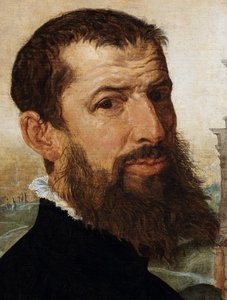


Un Tableau Vivant al Epocii de Aur Olandeze
A păși în Muzeul Frans Hals înseamnă a transcende granițele timpului, lăsând în urmă străzile moderne ale orașului Haarlem pentru o lume definită de texturile luminoase și de umanitatea plină de viață a secolului al XVII-lea. Muzeul servește mult mai mult decât ca un simplu depozit de pânză și pigment; este o călătorie imersivă prin însăși sufletul Epocii de Aur Olandeze. În centrul său se află moștenirea profundă a lui Frans Hals, un maestru a cărui abordare revoluționară a portretului a transformat modul în care percepem individul. Trăsurile sale, faimoase pentru caracterul liber și alla prima , posedă o vitalitate aproape electrică, surprindând nu doar asemănarea fizică a subiectelor sale, ci și expresiile lor trecătoare, statutul social și însăși esența lor. În cadrul acestor ziduri, tăcerile grele ale istoriei sunt sparte de privirile vii ale comercianților, învățaților și ofițerilor de milie, invitând fiecare vizitator să participe la un dialog secular de caracter și lumină.
Cadru arhitectural al colecției este o capodoperă la fel de impresionantă precum picturile pe care le protejează. Clădirea principală a muzeului este găzduită în istoricul Oudemannenhuis , un elegant azil pentru bătrâni înființat în 1609. Acest hofje , sau complex de curți interioare, șoptește povești despre tradițiile adânc înrădăcinate ale Haarlem în ceea ce privește datoria civică și îngrijirea comunitară. Mergând prin camerele regilor meticulos restaurate, se simte greutatea structurilor sociale ale epocii; aceste spații opulente au servit odinioară drept fundal pentru elitele orașului și, astăzi, oferă o scenă perfect autentică pentru grandioasele portrete de grup ale lui Hals. Interacțiunea dintre arhitectura istorică și artă creează un sentiment de continuitate, unde măreția interioarelor din secolul al XVII-lea insuflă viață compozițiilor monumentale ale Companiei de Milie St. George și altor celebrații civice.
Un Dialog Între Moștenire și Modernitate
Deși muzeul este ancorat în gloria trecutului, acesta refuză să rămână un monument static. Această tensiune dintre tradiție și inovație este cea mai palpabilă la Location Hal . Situat în fostul Vleeshal —o hală istorică de carne—acest spațiu oferă o juxtapunere arhitecturală izbitoare, unde asprimea vechiului Haarlem întâlnește liniile curate ale designului expozițional contemporan. Chiar aici muzeul își atinge strălucirea unică, găzduind expoziții rotative care fac puntea între maeștrii Epocii de Aur și artiștii de avangardă de astăzi. Plasând lucrări moderne alături de moștenirea lui Judith Leyster, Cornelis van Haarlem și Jacob van Ruisdael, muzeul cultivă o înțelegere profundă a evoluției artistice, dovedind că spiritul revoluționar al lui Hals continuă să rezoneze în limbajul vizual contemporan.
Pentru colecționarul exigent sau designerul de interior, Muzeul Frans Hals oferă o sursă de inspirație fără egal. Colecția nu este doar o studiu de tehnică, ci o lecție magistrală de culoare, compoziție și atmosferă. De la tonurile delicate și luminoase ale pielii în portretele intime, până la jocul dramatic de lumină și umbră din naturile moarte olandeze, muzeul oferă o privire profundă asupra modului în care arta poate defini un spațiu și poate evoca emoție. Fie că ești atras de profunzimea psihologică a figurilor moderne ale lui Charley Toorop , fie de realismul uluitor al maeștrilor secolului al XVII-lea, muzeul se impune ca un sanctuar vital pentru cei care caută să înțeleagă puterea durabilă a frumuseții și amprenta indelibilă pe care Haarlem a lăsat-o asupra peisajului artistic global.


