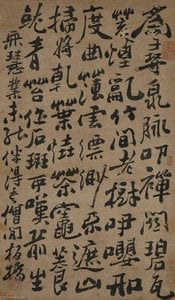
Zheng Xie (1693–1766): The Poet Painter of Yangzhou
Zheng Xie (1693-1765), commonly known as Zheng Banqiao, stands as a singular figure in Qing dynasty Chinese art—a painter who simultaneously embraced calligraphy and literature, forging an artistic vision deeply rooted in observation of the natural world and imbued with humanist sensibilities. Born in Xinghua County, Jiangsu Province, his early life was marked by hardship; orphaned at a young age, he endured considerable poverty before securing a position as a scribe – a crucial step towards achieving recognition within the imperial examination system. This formative experience instilled in him a profound respect for diligence and perseverance, qualities that would characterize his entire artistic career. His ascent through the bureaucratic ranks culminated in his appointment as magistrate in Shandong Province, demonstrating both intellectual prowess and administrative capability. However, after twelve years of service, Zheng Xie’s disillusionment with officialdom grew palpable; he rejected the compromises demanded by senior bureaucrats – a stance fueled by unwavering moral convictions regarding social justice and compassion for the vulnerable—and famously resigned his position following criticism concerning his dedication to alleviating poverty. This courageous act solidified his reputation as an uncompromising advocate for ethical conduct and profoundly shaped his artistic trajectory. Recognizing the limitations of formal institutions in fostering genuine creative expression, Zheng Xie turned decisively toward art as a means of grappling with personal reflection and societal critique. He joined the ranks of the Eight Eccentrics of Yangzhou – a group of artists and intellectuals who challenged conventional artistic norms and championed an independent spirit—a fellowship that nurtured his rebellious tendencies and encouraged him to pursue unconventional aesthetic ideals. Unlike many of his contemporaries who sought patronage from the imperial court, Zheng Xie deliberately distanced himself from official channels, prioritizing instead the pursuit of authentic artistic vision. This decision reflected a fundamental belief in the primacy of individual integrity over adherence to prescribed conventions—a stance that distinguished him from his peers and cemented his legacy as a pioneer of independent artistic practice. His distinctive style – characterized by bold brushstrokes and expressive rendering – became synonymous with Yangzhou painting, particularly landscapes featuring bamboo and orchids. These subjects weren’t merely decorative; they represented profound symbolic meanings – bamboo embodying resilience and virtue, while orchids symbolizing refinement and nobility. Zheng Xie meticulously studied the intricacies of botanical illustration, mastering techniques that captured not only visual accuracy but also subtle nuances of texture and color. He sought to convey a sense of harmony between humanity and nature—a reflection of his humanist worldview and his conviction that art could inspire moral contemplation. A cornerstone of Zheng Xie’s artistic legacy lies in his innovative calligraphy style, which emerged from his fascination with orchid drawings. Inspired by the delicate beauty of orchid blossoms, he developed a technique that combined meticulous detail with lyrical elegance – a stylistic hallmark that distinguishes his work from other contemporary calligraphers. He achieved this remarkable feat through painstaking practice and unwavering dedication to mastering the subtleties of brushstroke control and ink blending—a testament to his commitment to artistic excellence. His poems explored themes of everyday life with remarkable sensitivity and honesty, reflecting a humanist perspective that contrasted sharply with the idealized portrayals favored by official circles. Zheng Xie’s calligraphy wasn't merely an accompaniment to his paintings; it was an integral component of his artistic vision – demonstrating his belief in art as a vehicle for moral enlightenment and intellectual contemplation. Among his most celebrated works are “Misty Bamboo on a Distant Mountain,” “Orchard and Rocks,” and “Poem in Running Script.” These pieces exemplify Zheng Xie’s masterful command of landscape painting technique, capturing the ethereal beauty of bamboo groves bathed in mist and the serene grandeur of rocky landscapes illuminated by sunlight. His meticulous attention to detail—evident in every brushstroke—revealed a profound understanding of botanical science and an unwavering commitment to artistic realism. Furthermore, “Poem in Running Script” showcases his exceptional calligraphy skills – demonstrating his ability to convey emotion and intellect with equal grace and precision. These artworks stand as enduring symbols of Yangzhou’s artistic heritage and continue to inspire admiration for Zheng Xie's unparalleled artistry. Zheng Xie’s influence extended far beyond his own lifetime, shaping the aesthetic sensibilities of subsequent generations of artists in China. He championed an independent spirit—rejecting institutional constraints and prioritizing personal integrity—a stance that resonated deeply with artists who sought to express their convictions authentically. His legacy as a Poet Painter remains secure – enshrined not only in his magnificent paintings but also in his evocative poems—testament to his belief in art’s capacity to illuminate the human condition and inspire moral contemplation. Zheng Xie's enduring contribution to Chinese art is undeniable, securing his place among the most revered figures of the Qing Dynasty and cementing his reputation as a visionary artist who dared to challenge convention and embrace artistic freedom.Întrebări și răspunsuri
Câte opere de artă ale lui Zheng Xie pot fi vizualizate?
Puteți vizualiza 10 opere de artă de opere ale lui Zheng Xie pe pagina Toate operele de artă.
De unde este Zheng Xie?
Zheng Xie s-a născut în China.
Pot vizita un muzeu virtual al lucrărilor lui Zheng Xie?
Pagina Muzeu 3D a lui Zheng Xie este o pagină care prezintă operele de artă ale artistului într-o galerie virtuală tridimensională.
Există o relatare cronologică a carierei lui Zheng Xie?
O relatare cronologică a creației lui Zheng Xie este disponibilă pe pagina Cronica a artistului, unde operele de artă se succed în ordinea creației lor, capitol cu capitol.
Cum pot urmări creațiile lui Zheng Xie an de an?
Există o cronologie a lucrărilor lui Zheng Xie: pagina Cronologia operelor de artă a artistului ordonează operele în funcție de data creației.
În ce perioadă istorică a activat Zheng Xie?
Zheng Xie a activat în perioada Epoca modernă timpurie. Această perioadă situează activitatea artistului în istorie.
Pot explora operele lui Zheng Xie pe baza unor cuvinte cheie?
Pagina După cuvinte cheie a lui Zheng Xie grupează operele de artă ale artistului în funcție de cuvintele cheie.