William Latham: Pioneering Evolutionary Art Through Algorithmic Landscapes
William Latham (b. 1961) stands as a singular figure in contemporary art, recognized for his groundbreaking approach to artistic creation—a fusion of computer science and organic aesthetics that explores the principles of evolution through generative algorithms. Born in London, Latham’s journey into art began amidst the burgeoning influence of IBM UK's research fellowship, where he honed his skills developing ‘Mutator,’ a program designed to generate complex forms based on evolutionary processes. This formative experience profoundly shaped his artistic vision and methodology.
- Early Influences: Latham’s fascination with biology and mathematics stems from an early interest in the natural world and a deep appreciation for quantitative reasoning. He studied at Goldsmiths College London, immersing himself in experimental art practices that challenged conventional notions of representation.
- The Mutator Program & Evolutionary Art: The creation of ‘Mutator’ represents a pivotal moment in Latham's artistic trajectory. Recognizing the potential of computational tools to mimic biological adaptation—mutation, selection, and reproduction—he embarked on a systematic investigation into how algorithms could generate aesthetically compelling artworks.
- Notable Works: Latham’s oeuvre encompasses diverse projects spanning painting, sculpture, installation art, and immersive VR experiences. Recurring themes include landscapes rendered in stark monochrome palettes, often depicting abstracted forms reminiscent of geological strata or fungal mycelial networks—visual metaphors for the slow but relentless forces shaping our planet.
Exploring Organic Forms Through Algorithmic Processes
Latham’s artistic process is characterized by a deliberate rejection of traditional techniques in favor of algorithmic generation. He meticulously crafts parameters that govern the Mutator program, guiding it to produce images that adhere to specific evolutionary criteria. This method isn't merely about replicating natural patterns; rather, it seeks to distill the essence of biological evolution into visual language—a captivating paradox that underscores Latham’s commitment to pushing artistic boundaries. The resulting artworks are often described as unsettling yet undeniably beautiful, reflecting a fascination with both decay and regeneration.
- Monochrome Landscapes: Latham's signature style is defined by his use of black and white pigments, creating landscapes that evoke the grandeur and austerity of geological formations.
- VR Experiences: Expanding beyond traditional mediums, Latham has ventured into virtual reality, crafting immersive environments that allow viewers to engage with his evolutionary artworks in a wholly new dimension—a testament to his adaptability and willingness to embrace emerging technologies.
Critical Reception & Artistic Significance
Latham’s work has garnered considerable acclaim from critics and curators alike, who recognize its conceptual depth and technical innovation. He is celebrated for challenging conventional artistic conventions and prompting dialogue about the role of technology in shaping our understanding of beauty and creativity. His exploration of evolutionary principles—a concept rooted in Darwinian theory—injects a scientific perspective into artistic practice, fostering contemplation on themes of change, resilience, and the interconnectedness of life forms.
Selected Artwork Highlights
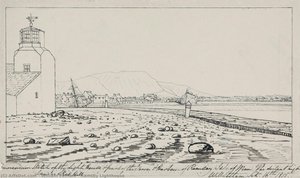
Among Latham’s impressive body of work are pieces like ‘The Guard Room, Peel Castle,’ a meticulously rendered monochrome depiction of a historic Scottish castle—a masterful demonstration of realism achieved through algorithmic precision. Similarly, ‘Cross Slab at Kirk Michael’ captures the essence of rural British culture with a detailed pen and ink drawing of a traditional cottage and totem pole. And ‘Kirby from the Black Bull,’ showcases Latham's ability to convey emotion and atmosphere within a stark landscape setting. These artworks exemplify his distinctive artistic vision—a harmonious blend of computational artistry and organic inspiration.
Further Exploration
To delve deeper into William Latham’s artistic legacy, we encourage you to visit
william latham for detailed information about his exhibitions, publications, and ongoing projects. You can also discover related artworks at
Williams College Museum of Art and
Williams College Museum of Art.