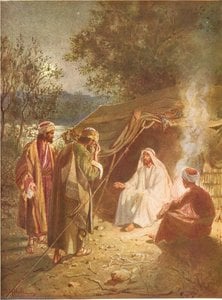
William Brassey Hole: Viață și Artă
Primii Ani și Educația
- Naștere: Salisbury, Regatul Unit (1846)
- Deces: 1917
- Primii ani ai lui William Brassey Hole au fost marcați de o tragedie profundă. Tatăl său, un medic pe nume Richard Hole, a pierdut lupta cu epidemia de holeră din 1849, când William avea doar trei ani.
- În urma pierderii tatălui său, familia s-a mutat la Edinburgh, în Scoția. \\
- A urmat studiile la Edinburgh Academy și, ulterior, a parcurs un ucenicie de cinci ani ca inginer civil – o cale pe care a ales-o cu reținere, purtând în suflet dorința neînfaptuită de a deveni artist.
Dezvoltarea Artistică și Influențe
- Călătorii timpurii: În 1869, Hole a pornit într-un tur de schiță de șase luni prin Italia, începând din Genova. Această călătorie s-a dovedit a fi punctul de cotitură în consolidarea ambițiilor sale artistice.
- O influență cheie: La Roma, l-a întâlnit pe Keeley Halswelle, care i-a oferit sfaturi practice neprețuite și critici constructive ce l-au încurajat să își urmeze vocația de pictor în mod profesionist.
- La întoarcerea sa la Edinburgh, Hole a urmat Școala de Design și, ulterior, a fost admis la școala de studiu al corpului de modele al Academiei Regale Scoțiene în 1873.
- A fost ales asociat al academiei în 1878 și, ulterior, a devenit membru deplin (RSA).
- Hole s-a alăturat, de asemenea, Societății Regale a Pictorilor-Gravori (RE) în 1885, fiind deja membru al Societății Regale Scoțiene de Aquarelle (RSW) din 1884.
Stilul Artistic și Teme
- Specializare: Hole s-a specializat în pictarea scenelor industriale, a evenimentelor istorice și a narați\\unilor biblice.
- Focus pe Scoția: Deși era englez prin naștere, și-a dedicat o mare parte din energie reprezentării subiectelor și scopurilor naționale scoțiene.
- Teme Remarcabile: Opera sa a explorat adesea teme legate de industrie, istorie, credință și viața oamenilor obișnuiți, în special a pescarilor de pe coasta de vest a Scoției.
- A fost un maestru al gravurii, primind laude din partea criticilor pentru capacitatea sa de a traduce culoarea și finețea gestului în acest mediu tehnic.
Lucrări Majore și Realizări
- Picturi Cheie: Printre principalele sale picturi se numără „End of the '45” (1879), „Prince Charlie's Parliament” (1882), „If thou hadst known” (1885) și „The Canterbury Pilgrims” (1889).
- Seria Coastei de Vest: Picturile sale despre pescari, precum „The Night’s Catch” și „The Fill of the Two Boats”, au fost extrem de apreciate.
- Friz de decor pentru Galeria Națională de Portret din Scoția (1898): A pictat o friză procesională ce înfățișează peste 150 de figuri din trecutul Scoției, fiind considerată o realizare semnificativă în decorarea murală.
- Ilustrații Biblice: În jurul anului 1900, a călătorit în Palestina pentru a studia fundalurile pentru picturile biblice, rezultatul fiind 80 de aquarele folosite ca ilustrații în cartea sa „The Life of Jesus of Nazareth”.
- De asemenea, a realizat picturi istorice pentru Camera Municipală din Edinburgh și decorațiuni ecleziastice pentru alte clădiri.
- Ilustrator: Hole a ilustrat lucrări ale unor autori precum Robert Louis Stevenson, J.M. Barrie și Robert Burns.
Semnificația Istorică și Moștenirea
- Opera lui William Brassey Hole oferă perspective prețioase asupra vieții, industriei și convingerilor religioase din Scoția secolului al XIX-lea.
- Fuziunea Genurilor: El a reușit să îmbine cu succes acuratețea istorică cu sensibilitatea artistică, creând narațiuni captivante în picturile sale.
- Maestrul Gravurii: Gravurile sale rămân extrem de respectate pentru îndemânarea tehnică și calitatea lor expresivă.
- Contribuțiile lui Hole la arta și cultura scoțiană sunt recunoscute prin operele sale expuse în instituții și colecții de renume.
Întrebări și răspunsuri
Unde pot vedea operele lui William Brassey Hole în ordine cronologică?
Există o cronologie a lucrărilor lui William Brassey Hole: pagina Cronologia operelor de artă a artistului ordonează operele în funcție de data creației.
Pot sorta operele lui William Brassey Hole după culoare?
Indice Spectral lui William Brassey Hole este o pagină care organizează operele de artă ale artistului în funcție de culorile acestora.
De unde este William Brassey Hole?
William Brassey Hole s-a născut în Regatul Unit al Marii Britaniei și Irlandei de Nor.