

Cea mai celebră pictură a lui Antonio Tempesta este Hunting Scene (1592), din Colecțiile Statale de Pictură din Bavaria, Munchen. Alături de Beheading of Apostle Paul (1592) și Battle Scene (1592), acestea completează cele trei opere pe care toată lumea le recunoaște. Catalogul nostru include 28 lucrări ale lui Antonio Tempesta; cele 27 de mai jos sunt cele mai apreciate în lume, fiecare fiind însoțită de anul creației, muzeul care o păstrează și semnificația sa.
Clasate în funcție de scorul nostru de popularitate, care combină numărul de căutări, vizite și comenzi pentru fiecare operă. Actualizat Octombrie 2026. Fiecare capodoperă de pe această pagină poate fi comandată ca o reproducere pictată manual în ulei, de calitate muzeală, sau ca o printare de artă fină, la dimensiunea aleasă de dumneavoastră.


To stand before The Death of Adonis is to be enveloped by a profound stillness, the kind that follows a sudden, tragic rupture. Antonio Tempesta’s masterful composition does not merely depict an event; it captures the very moment when beauty confronts mortality. The scene is richly populated, teeming with figures whose gestures—the outstretched hand, the bowed head, the concerned gaze—weave a complex tapestry of grief and devotion. One feels the…


The air feels heavy and still, yet the scene itself erupts with a sudden, frantic energy. Within an oval frame, a rugged landscape surges upward, pulling the eye…
Comandă o reproducere →


An oval-shaped landscape unfolds, presenting a chaotic and dynamic boar hunt set within a rugged, hilly terrain. The composition directs the eye from the immediate tension of the…
Comandă o copie pictată manual →
The painting "The Expulsion of Heliodorus from the Temple" is a captivating work of art created by Antonio Tempesta, an Italian artist known for his vivid and detailed…
Comandă o copie pictată manual →


Cele patru teme care se regăsesc cel mai des printre aceste capodopere, cu cel mai fin exemplu pentru fiecare.
Cele 6 muzee care dețin cele mai multe dintre picturile de pe această pagină.
| Muzeu | Oraș | Lucrări lui Antonio Tempesta | Picturi din această listă |
|---|---|---|---|
 Colecțiile Statale de Pictură din Bavaria |
Munchen | 5 | Hunting Scene, Beheading of Apostle Paul, Battle Scene |
 Muzeul de Artă Plastică din Boston |
Boston | 2 | Joseph Explaining His Dream to His Brothers, Gathering of the Manna |
 Muzeul Kunsthistorisches din Viena |
Viena | 2 | Landscape with Bear and Stag Hunt, Landscape with Boar Hunt |
 Galleria Sabauda |
Torino | 1 | The Death of Adonis |
 Los Angeles County Museum of Art |
Los Angeles | 1 | The Walls of Babylon |
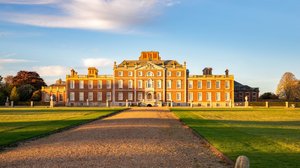 National Trust |
Cambridge | 1 | Nero (AD 37–68), Roman Emperor |


Hunting Scene (1592), Colecțiile Statale de Pictură din Bavaria, Munchen. Urmează Beheading of Apostle Paul (1592) și Battle Scene (1592).
37 ani: Hunting Scene datează din 1592, iar Antonio Tempesta s-a născut în 1555.
Hunting Scene, Beheading of Apostle Paul, Battle Scene, Battle Scene, The Crucifixion of Saint Peter, Joseph Explaining His Dream to His Brothers, Gathering of the Manna, Jupiter and Callisto, Venus Mourning the Death of Adonis și The Death of Adonis. Clasamentul de mai sus indică anul și muzeul pentru fiecare.
Catalogul nostru include 28 lucrări ale lui Antonio Tempesta, datate între 1592 și 1620.
Majoritatea acestora se află în Colecțiile Statale de Pictură din Bavaria (Munchen), Muzeul de Artă Plastică din Boston (Boston) și Muzeul Kunsthistorisches din Viena (Viena). Tabelul de mai sus enumeră muzeele pe rând.
În 1590s: 6 dintre cele 27 lucrări de pe această pagină datează de atunci, printre acestea Hunting Scene.
Cea mai veche lucrare de pe această pagină este din Hunting Scene (1592), iar cea mai recentă este din Arrival of Christine Marie of France to Turin in 1619 (1620).
Gods (2), Hunters (2) și Trees (2), printre cele 27 opere de pe această pagină.
Oil: 2 din cele 27 lucrări de pe această pagină.
Mannerism și Baroque, așa cum demonstrează picturile de pe această pagină.
Hunting Scene, Beheading of Apostle Paul și Battle Scene sunt printre cele 5 opere de pe această pagină păstrate de Colecțiile Statale de Pictură din Bavaria, Munchen.
Da. Orice pictură de pe această pagină poate fi comandată ca o reproducere pictată manual în ulei, de calitate muzeală, sau ca o print de artă fină, în dimensiunea aleasă de dumneavoastră, direct de pe pagina propriei picturi.
Antonio Tempesta stands as a pivotal figure in the artistic landscape of the late sixteenth and early seventeenth centuries, embodying the complex interplay between Mannerist aesthetics and Baroque innovation. Born in Florence in 1555, during a period marked by intense intellectual ferment and artistic experimentation, Tempesta’s career unfolded across the prestigious corridors of Italy and the vibrant art markets of Flanders. He was far more than a mere painter; he acted as a vital conduit for stylistic ideas, skillfully blending the rigorous disegno of his Florentine training with the expressive power and dynamic energy found in Antwerp’s burgeoning art scene.
His formative years were shaped by the prestigious Accademia delle Arti del Disegno, where he enrolled in 1576. This institution instilled in him a profound understanding of anatomical accuracy and compositional balance, hallmarks of the Mannerist tradition. Under the guidance of masters such as Santi di Tito, Tempesta mastered the classical ideals and humanist scholarship essential to the era. However, it was the influence of the Flemish painter Giovanni Stradanus that introduced him to a more dramatic use of color and light—elements that would eventually define his mature style. His early participation in the ambitious decoration projects for the Palazzo Vecchio under Giorgio Vasari further immersed him in the grandeur and scale required by the era's most significant patrons.
Tempesta’s artistic output was remarkably diverse, spanning a breadth of mediums that allowed him to leave his mark on both monumental architecture and intimate prints. As a fresco painter, he contributed significantly to some of the most celebrated decorative programs of the age, including works for Villa Lante and Palazzo Farnese. His collaborative spirit was evident in his work with artists like Paul Brill, creating large-scale narratives that showcased the dramatic tension of the period. One of his most poignant achievements can be seen in the Church of Santo Stefano Rotondo in Rome, where his fresco depicting the martyrdom of Saint Primus utilizes a rich color palette and intense emotionality to capture a scene of profound grief and loss.
Beyond the walls of Roman churches and Florentine palaces, Tempesta found immense success as an engraver. This medium allowed him to disseminate his vision of battle scenes and sweeping landscapes across Europe, bridging the gap between Italian composition and Northern European detail. His engravings often featured:
The historical significance of Antonio Tempesta lies in his ability to navigate the transition between two eras. While his roots remained firmly planted in the disciplined Mannerism of Florence, his work anticipated the emotional intensity and theatricality of the Baroque. By integrating the structural precision of Italian disegno with the atmospheric richness of the Flemish tradition, he helped create a visual language that was both intellectually rigorous and emotionally accessible.
Though his life ended in 1630, his influence endured through the widespread circulation of his prints and the lasting impact of his monumental frescoes. He remains a testament to the interconnectedness of the European art world during the Renaissance and Baroque periods, serving as a bridge between the classical traditions of Italy and the burgeoning artistic spirit of the North.

