O via sculptată în spirit: Lumea lui Peggy Bacon
Peggy Bacon, născută sub numele de Margaret Frances Bacon în 1895, la Ridgefield, Connecticut, a fost un observator de o perspicacitate rară al vieții americane, transpunând observațiile sale într-o creație artistică celebrată pentru latura sa satirică și strălucirea tehnică. Călătoria ei artistică nu a fost una marcată de o instruire convențională sau de o aderare rigidă la stilurile dominante; dimpotrivă, ea a înflorit dintr-o educație neconvențională, îmbibată de creativitate și curiozitate intelectuală. Ambii părinți ai săi erau artiști – tatăl ei, Charles Roswell Bacon, un pictor de peisaje și figuri, și mama ei, Elizabeth Chase Bacon, o miniaturistă – stimulându-o pe tânăra Peggy încă de la început spre exprimarea vizuală. Acest îndemn nu s-a limitat doar la lecții formale; familia Bacon a prioritizat o educație largă pentru fiica lor, cuprinzând latina, mitologia greacă și istoria antică alături de pasiunile artistice. Călătoriile frecitate prin Europa și timpul petrecut în Nassau, Bahamas, i-au lărgit și mai mult orizonturile, expunând-o la culturi diverse care vor influența subtil lucrările sale ulterioare. Sinuciderea tragică a tatălui ei în 1913 a aruncat o umbră lungă asupra vieții sale, însă acest eveniment părea să îi ascuțiască și concentrarea, propulsând-o către o carieră în care putea analiza și comenta complexitățile experienței umane.Făurirea unei identități artistice: De la studiile de la League la măiestria în drypoint
Educația artistică formală a lui Bacon a început la School of Applied Design for Women, înainte de a trece rapid spre mediul mai stimulant al School of Fine and Applied Arts. Totuși, perioada petrecută la Art Students League, între 1915 și 1920, a fost cea care s-a dovedit cu adevărat formativă. Acolo, ea a aflat sub influența unor artiști de renume, precum Kenneth Hayes Miller, John Sloan și George Bellows – figuri care susțineau realismul și concentrarea pe viața de zi cu zi. Această perioadă a fost, de asemenea, martorul înflorit al unor prietenii artistice importante cu Dorothea Schwarz (Greenbaum), Anne Rector (Duffy), Betty Burroughs (Woodhouse) și Yasuo Kuniyoshi, creând un cerc vibrant de sprijin și inspirație reciprocă. În jurul anului 1917, Bacon a descoperit tehnica gravurii în acuitate (drypoint), o metodă pe care o va stăpâni până când va deveni mediul ei semnătură. Autodidactă în acest proces complicat, ea a găsit în el vehiculul perfect pentru viziunea sa tot mai satirică. În același timp, împreună cu alți studenți, a cofondat Bad News, o revistă satirică ce a servit drept prim canal de exprimare pentru talentul său emergent și pentru spiritul său tăios. Această experimentare nu a fost doar una tehnică; a fost o declarație de independență artistică, un refuz de a se conforma normelor stabilite.Ochiul caricaturistului: Satiră și comentariu social
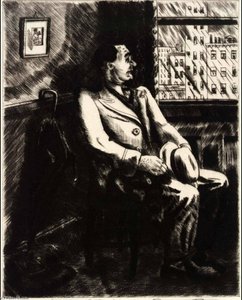
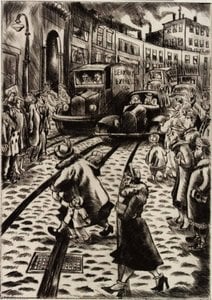
Peggy Bacon a devenit cunoscută ca o caricaturistă ale cărei lucrări au împodobit paginile unor publicații prestigioase, precum The New Yorker și Vanity Fair. Gravurile sale nu erau simple asemănări; ele erau comentarii perspicaci, adesea tăioși, asupra personalităților și defectelor subiectelor sale. Poseda o abilitate uimitoare de a destila esența unei persoane – vanitatea, pretenția sau vulnerabilitatea sa – în câteva linii trase cu expertiză. Bacon nu se limita doar la exagerarea trăsăturilor fizice; ea amplifica trăsăturile de caracter, dezvăluind adevăruri ascunse prin exacerbare vizuală. Portretele sale nu aveau intenția de a fi tributuri complimentoare, ci mai degrabă observații perspicace ale peisajului social. Dincolo de caricatură, Bacon a explorat și pastelul, creând portrete caracterizate prin palete selective și compoziții armonioase. Această versatilitate i-a demonstrat măiestria în diverse tehnici, menținându-și constant o voce artistică distinctivă. Recunoașterea a venit sub forma numeroaselor premii, inclusiv o bursă Guggenheim, și expoziții solo în galerii influente, precum Intimate Gallery al lui Stieglitz și Weyhe Gallery, consolidându-i reputația de forță semnificativă în arta americană.Viziuni în evoluție: De la satiră la serenitate și o moștenire durabilă
Viața lui Bacon a luat mai multe întorsături – căsătoria cu pictorul Alexander Brook în 1920, maternitatea și divorțul final în 1940 – însă devotamentul ei artistic a rămas neclintit. Deși a continuat să producă lucrări satirice pentru o perioadă, concentrarea sa s-a mutat treptat către reprezentări ale vieții de zi cu zi și peisaje imbuiți cu o calitate lirică sau onirică. Această evoluție nu a fost o respingere a stilului său anterior, ci mai degrabă o extindere a vocabularului său artistic. Chiar și atunci când vederea slabită a provocat dificultăți în anii ei de la urmă, Bacon a perseverat, continuând să picteze până la moartea sa în 1987, la vârsta de 91 de ani. Moștenirea sa rezidă în capacitatea sa unică de a îmbina spiritul tăios cu o abilitate tehnică excepțională, creând imagini memorabile care au capturat spiritul timpului său și au oferit comentarii profunde asupra societății și culturii. Opera lui Peggy Bacon rămâne o contribuție semnificativă la arta americană, în special în domeniile printului și ilustrației satirice, amintindu-ne de puterea artei de a reflecta și, în același timp, de a sfida lumea din jurul nostru.Lucrări remarcabile și influență continuă
Mai multe opere stau ca mărturii ale virtuozității artistice a lui Bacon. „Alexander Brook”, o desenare captivantă cu penița din 1934, demonstrează stilul său minimalist și liniile expresive, fiind păstrată acum în colecția Smithsonian. „Tired Eyes” și „Self Portrait”, disponibile de asemenea prin WahooArt, oferă priviri intime asupra viziunii sale personale. Ilustrațiile sale pentru publicații precum The New Yorker rămân exemple iconice ale ilustrației americane din mijlocul secolului al XX-lea. Influența lui Peggy Bacon se extinde dincolo de producția sa artistică directă. Ea a deschis calea generațiilor viitoare de femei artiste și satiriciști, demonstrând că arta poate fi atât estetic plăcută, cât și intelectual provocatoare. Opera sa continuă să rezoneze cu publicul de astăzi, oferind un comentariu atemporal asupra naturii umane și a complexităților vieții moderne.Întrebări și răspunsuri
Pot studia utilizarea culorii de către Peggy Bacon în toate lucrările sale?
Genoma Paletei lui Peggy Bacon este o pagină care prezintă profilul cromatic al întregii creații a artistului.
Pot sorta operele lui Peggy Bacon după culoare?
Operele lui Peggy Bacon pot fi explorate pe criterii de culoare în pagina Indice Spectral a artistului.
De unde este Peggy Bacon?
Peggy Bacon s-a născut în Statele Unite ale Americii.
Pot să vizualizez lucrările lui Peggy Bacon în funcție de tehnică?
Pagina Toate mediile grupează operele lui Peggy Bacon pe tehnici.
Pot explora operele lui Peggy Bacon pe baza unor cuvinte cheie?
Pentru a găsi lucrări realizate de Peggy Bacon pe o temă specifică, utilizați pagina După cuvinte cheie a artistului, care grupează operele de artă pe cuvinte cheie.
În ce oraș și țară s-a născut Peggy Bacon?
Peggy Bacon s-a născut în Ridgefield, în Statele Unite ale Americii.
Care sunt locul și anul nașterii lui Peggy Bacon?
Peggy Bacon s-a născut în Ridgefield, în anul 1895.