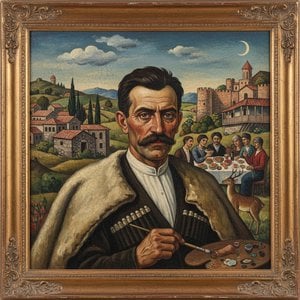
Zorii picturii moderne românești: Viața și moștenirea lui Nicolae Grigorescu
Nicolae Grigorescu, născut în orașul muntenean Pitești în anul 1838, se impune ca o figură monumentală în istoria artei românești. El nu a fost doar un simplu pictor; a fost un pionier care a ajutat la modelarea unei identități artistice românești distinct de modernitate, făcând puntea între stilurile academice tradiționale și mișcările de avangardă care începeau să pătrundă în Europa. Primele sale ani de viață i-au oferit o fundație solidă pentru viitoarele sale realizări. Fiul unui profesor și administrator, Costache Grigorescu, tânărul Nicolae și-a început călătoria artistică ca ucenic al lui Anton Chladek în București, între anii 1846 și 1850. Această perioadă formativă i-a insuflat abilitățile esențiale de desen și pictură — fundamentul pe care, mai târziu, și-a va construi stilul unic. Chiar și în această etapă timpurie, talentul pentru capturarea detaliului și o sensibilitate profundă față de lumină erau deja evidente, prefigurând strălucirea artistică ce se ascundea în interiorul său. El și-a continuat perfecționarea meșteșugului în București înainte de a pleca spre străinătate, căutând o expunere mai largă la curentul artistic care modela continentul.Influențele pariziene și îmbrățișarea naturalismului
Un moment de cotitură a apărut în anul 1869, când Grigorescu a călătorit la Paris. Aceasta nu a fost doar o simplă călătorie, ci o imersie în inima lumii artei, o confruntare cu idei și tehnici noi care îi vor schimba profund traiectoria artistică. Aici a descoperit lucrările pictorilor școlii de la Barbizon — artiști precum Théodore Rousseau, Jean-François Millet și Camille Corot — care susțineau reprezentările realiste ale naturii și ale vieții rurale. Angajamentul pictorilor de la Barbizon pentru pictura plein air, capturarea efectelor trecătoare ale luminii și ale atmosferei direct prin observație, a rezonat profund în sufletul lui Grigorescu. El a adoptat această abordare, infuzând peisajele sale cu un sentiment nou al imediatului și al autenticității. Totuși, Grigorescu nu s-a mulțumit cu simpla imitație. Deși era ferm înrădăcinat în naturalismul de la Barbizon, a început să integreze subtil elemente ale Impresionismului în opera sa — pensule fragmentate, o concentrare pe capturarea impresiilor momentane și o paletă vibrantă ce reflecta schimbările de stări ale luminii și culorii. Acest echilibru delicat între realism și sugestie avea să devină semnătura stilului său. Expunerea sa nu s-a limitat doar la aceste mișcări; a absorbit influențe din diverse ceruri artistice, sugerând chiar și tendințe expresioniste în perioada ulterioară a carierei sale, demonstrând un artist în continuă evoluție și experimentare.Viața Rurală ca Muză: Teme și Tehnici
Arta lui Grigorescu este indisolubil legată de mediul rural românesc și de oamenii acestuia. O temă recurentă în întreaga sa operă este reprezentarea vieții rurale — țărani lucrând în câmpuri, peisaje senene scăldate în lumina aurie și scene intime ale existenței cotidiene. El nu a romanticizat sau idealizat aceste subiecte; dimpotrivă, le-a portretat cu o sensibilitate și un realism remarcabile, capturând demnitatea, reziliența și legătura lor profundă cu pământul. Tablouri precum „Femeia țestătoare” exemplifică această abordare — un moment de liniște redat cu o atenție minuțioasă la detalii și un sentiment profund de empatie. Mă maestria sa a depășit simpla alegere a subiectului, întinzându-se asupra compoziției, culorii și tehnicii. El a împletit cu măiestrie naturalismul școlii de la Barbizon, tehnicile impresioniste și profunzimea emoțională expresionistă, creând un limbaj vizual unic care l-a distins de contemporanii săi. Fie că picta peisaje vaste sau portrete intime, Grigorescu poseda o abilitate neobișnuită de a surprinde esența subiectelor sale — caracterul, starea de spirit și locul lor în lume. A excelat în ambele genuri, demonstrând o versatilitate și o îndemânare care i-au consolidat reputația de artist de prim rang al României.Un Moștenire Eternă: Fondator și Inspirație
Nicolae Grigorescu este considerat, pe deplin, unul dintre pionierii picturii românești moderne. Abordarea sa inovatoare a artei — de la îmbrățișarea naturalismului și integrarea subtilă a tehnicilor impresioniste, până la devotamentul său neclintit în surprinderea vieții din spațiul românesc — a ajutat la modelarea direcției artei românești la sfârșitul secolului al XIX-lea și începutul secolului al XX-lea. El nu s-a limitat doar la crearea de picturi de o frumusețe rară; Grigorescu a stabilit un nou vocabular artistic, inspirând generații întregi de artiști să își exploreze propriile viziuni unice. Influența sa s-a extins asupra unor figuri precum Arthur Garguromin-Verona, care i-a urmat pașii, împingând și mai departe granițele artei românești. Astăzi, operele lui Grigorescu ocupă un loc central în marile muzee, precum Muzeul Național de Artă Contemporană din București și Muzeul Brukenthal din Sibiu, asigurând astfel ca moștenirea sa să rămână vie pentru generațiile viitoare. Mai mult, platforme precum WahooArt.com și WahooArt.com fac arta sa accesibilă unei audiențe globale, permițând admiratorilor din întreaga lume să experimenteze frumusețea și forța viziunii sale. Dincolo de suprafața pânzei, impactul lui Grigorescu este vizibil chiar în peisajul urban al Bucureștiului — o stație de metrou îi poartă numele, fiind o dovadă a semnificației sale culturale durabile. El reprezintă o punte crucială între tradiție și modernitate, consolidându-și statutul de figură pivotantă nu doar în istoria artei românești, ci și în contextul mai larg al picturii europene.Întrebări și răspunsuri
Există o cronologie a operelor lui Nicolae Grigorescu?
Pagina Cronologia operelor de artă a artistului prezintă lucrările lui Nicolae Grigorescu ordonate cronologic, an de an.
Ce stări exprimă operele lui Nicolae Grigorescu?
Lucrările lui Nicolae Grigorescu pot fi explorate în funcție de starea de spirit pe pagina Galerie pe stări de spirit a artistului, unde operele sunt organizate după stările lor de spirit.
Ce culori a folosit cel mai des Nicolae Grigorescu?
Modul în care Nicolae Grigorescu utilizează culoarea în lucrările enumerate pe acest site web poate fi explorat pe pagina Genoma Paletei a artistului.