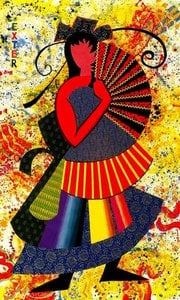
O via țesută în culoare și feminism
Miriam Schapiro, născută în Toronto, Canada, în 1923, a fost o artistă a cărei călătorie a oglindit peisajul în continuă evoluție al artei secolului al XX-lea și al celui XXI-lea. Viața sa, care s-a întins pe nouă decenii până la trecerea ei în neființă în 2015, nu a fost pur și simplă o progresie prin stiluri artistice, ci o demantelare deliberată a frontierelor – între arta înaltă și cea populară, între expresia masculină și cea feminină și, în cele din urmă, între experiența personală și temele universale. Anii ei de început au fost îmbibați de creativitate; tatăl ei, Theodore Shapiro, artist și designer industrial, i-a cultivat inclinațiile artistice innate încă de la vârsta fragedă de șase ani. Acest încurajament fundamental, însoțit de instruirea formativă la Muzeul de Artă Modernă (MoMA), a pregătit terenul pentru o dedicare de o viață adusă expresiei vizuale. Ea și-a urmat studiile formale la Hunter College înainte de a continua la Universitatea din Iowa, unde a obținut o trilogie de diplome – BA, MA și MFA – consolidându-și angajamentul față de pictură, gravură și o viziune artistică în plină expansiune. Tot în Iowa s-a întâlnit și s-a căsătorit cu partenerul său de creație, artistul Paul Brach, începând o colaborare de o viață, atât pe plan personal, cât și creativ. Influența lui Mauricio Lasansky din Iowa s-a dovedit crucială, transmătându-i Schapiro nu doar măiestria tehnică în diverse tehnici de imprimare, ci și importanța studiului maeștrilor clasici pentru a depăși provocările artistice – o practică ce avea să rezoneze pe tot parcursul carierei sale.De la Expresionismul Abstract la nașterea „Femmage-ului”
Schapiro a obținut inițial recunoaștere în sfera Expresionismului Abstract în anii '50 și '60, dezvoltând un stil gestual distinctiv, caracterizat prin suprapuneri delicate și ștergeri subtile – „pictând subțire și ștergând”, așa cum descria ea însăși procesul. Totuși, aceste compoziții abstracte erau rar lipsite de referințe subterane; ele căutau adesea inspirație în ilustrație negru-pe-alb ale picturilor maeștrilor clasici, dezvăluind dialogul ei continuu cu istoria artei. Punctul de cotitură real în traiectoria artistică a Schapiro a sosit în anii '70, coincidând cu ascensiunea mișcării de Artă Feministă. Recunoscând un vid critic în reprezentarea experiențelor femeilor în lumea artei, ea a cofondat revoluționar Programul de Artă Feministă de la California Institute of the Arts alături de Judy Chicago. Această colaborare s-a dovedit transformatoare, oferind o platformă pentru explorarea identității feminine și pentru provocarea structurilor patriarhale din canonul artistic. Tocmai în această perioadă Schapiro a inventat termenul „femmage”, un neologism care încapsulează colajele ei inovatoare construite din țesături, dantelă, panglici și alte materiale asociate tradițional cu domesticitatea și artizanatul feminin. Aceste lucrări nu au fost doar experimente estetice; au fost acte deliberate de revendicare, elevând „munca femeilor”, adesea subestimată, la statutul de artă fină și sfidând noțiunile convenționale de valoare artistică.Teme ale identității, istoriei și decorațiunii
Explorarea artistică a lui Schapiro s-a concentrat constant pe temele identității feminine, ale istoriei femeilor și ale recuperării tradițiilor artistice marginalizate. Canvasurile sale au devenit depozite vibrante de simboluri asociate cu feminitatea – inimi, motive florale, modele geometrice și o îmbrățișare deliberată a culorii roz. Ea nu s-a temut să încorporeze imagini care făceau referire la alte artiste semnificative, precum Mary Cassatt și Frida Kahlo, făcându-le omagiu moștenirii lor, în timp ce își afirma, simultan, propria voce unică. Un exemplu deosebit de izbitor al abordării sale este reprezentarea monumentală a evantaielor; transformând ceea ce era de obicei un obiect mic și intim în picturi la scară largă – unele atingând dimensiuni de aproape doi metri pe aproape patru metri – ea a dotat evantaiul cu proporții eroice, elevându-l ca simbol al puterii și grației feminine. Dincolo de preocupările feministice, opera lui Schapiro a demonstrat și un angajament profund față de istoria artei. Ea a căutat inspirație în mișcarea avangardei ruse, recunoscând semnificația sa istorică ca o perioadă în care artistele au beneficiat de mai mari oportunități de recunoaștere și egalitate. Această fascinație i-a influențat compozițiile și i-a extins vocabularul artistic. Adoptarea elementelor decorative nu a fost doar una stilistică; a fost o respingere conștientă a austerității minimaliste și o celebrare a ornamentului – contribuind semnificativ la mișcând Pattern and Decoration, care a provocat accentul predominant pe formele reductive din arta contemporană.Moștenire și influență durabilă
Opera pionieră a lui Miriam Schapiro a schimbat irevocabil peisajul artei contemporane. Ea a deschis calea generațiilor viitoare de artiste feministe, redefinind granițele dintre arta fină și artizanat și provocând prejudecățile sociale profund înrădăcinate. Tehnicile sale inovatoare, în special dezvoltarea „femmage-ului”, au extins posibilitățile colajului și ale asamblajului, inspirând numeroși artiști să exploreze noi materiale și abordări. Moștenirea lui Schapiro depășește creațiile sale artistice; ea a fost o educatoare dedicată și o susținătoare a femeilor în arte, stimulând dialogul și creând oportunități pentru artiștii emergenți. Astăzi, lucrările sale sunt păstrate în colecții de muzee prestigioase din întreaga lume, inclusiv în Jewish Museum din New York și National Gallery of Art, asigurându-se că viziunea sa va continua să rezoneze cu publicul în anii ce vor veni. Eric Firestone Gallery reprezintă exclusiv succesiunea sa, protejând moștenirea sa artistică și promovând cercetarea continuă asupra vieții și operei sale. Miriam Schapiro a fost mai mult decât o artistă; a fost un catalizator cultural, o inovatoare curajoasă și o apărătoare a expresiei feminine, a cărei impact continuă să fie simțit în întreaga lume a artei.Întrebări și răspunsuri
Unde și când s-a născut Miriam Schapiro?
Miriam Schapiro s-a născut în Toronto, în anul 1923.
Există o cronologie a operelor lui Miriam Schapiro?
Există o cronologie a lucrărilor lui Miriam Schapiro: pagina Cronologia operelor de artă a artistului ordonează operele în funcție de data creației.
Sub ce alte nume este cunoscut/ă Miriam Schapiro?
Miriam Schapiro este cunoscut și sub numele de Mimi Schapiro, Miriam Shapiro.