Martin Schongauer: Viață și Moștenire
Primii ani și formarea artistică
Martin Schongauer, născut în jurul anului 1450 la Colmar, în Alsacia (astăzi Franța), a fost o figură esențială în dezvoltarea artei printului în timpul Renașterii Nordice. Provenind dintr-o familie de artizani, viața sa a fost modelată de moștenirea tatălui său, Caspar Schonglaguer, un aurist care se mutase la Colmar din Augsburg, Germania, în jurul anului 1440. Acest context familial i-a influențat profund primii ani de formare artistică, deoarece meșteșugul aurăriei i-a oferit o bază solidă în ceea ce privește precizia detaliului și tehnicile prelucrării metalelor – abilități care s-au transferat direct în arta gravurii.
Educație și evoluție artistică
În anul 1465, Schongauer a urmat scurt studii la Universitatea din Leipzig, însă a renunțat rapid la căutările academice pentru a se dedica în întregime artei. Inițial, s-a format ca pictor sub îndrumarea lui Caspar Isenmann, un maestru local influențat de pictura flamandă timpurie, în special de opera lui Rogier van der Weyden. Această expunere timpurie la realismul nederlandez și atenția meticuloasă la detalii au devenit ulterior trăsăturile distinctive ale propriului său stil.
Stil artistic și influențe
Stilul artistic al lui Schongauer este definit de o estetică gotică clară și organizată, împletită cu influențele emergente ale Renașterii Nordice. Remarcabil este faptul că acesta nu a prezentat o influență italiană directă, ci a căutat inspirația în tradițiile germane și în cele nederlandeze timpurii. Opera sa demonstrează un detaliu minuțios, figuri expresive și o înțelegere sofisticată a compoziției.
- Caracteristici cheie: Gravură precisă, reprezentări realiste, narațiuni dramatice, structură gotică
- <Influențe: Rogier van der Weyden, Caspar Isenmann, tradiții gotice germane
Realizări majore și opere
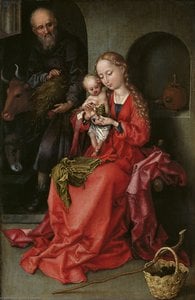
Schongauer este cel mai cunoscut pentru cele 116 gravuri ale sale, fiecare fiind identificată prin monograma sa. Aceste printuri au fost răspândite pe tot cuprinsul Europei, impactând semnificativ dezvoltarea tehnicilor de printare și a stilurilor artistice. Gravurile sale ilustrau adesea scene religioase, portrete și subiecte alegorice.
- Madonna of the Rose Bower (1473): O pictură remarcabilă ce demonstrează abilitatea sa de a surprinde detalii delicate și profunzime emoțională.
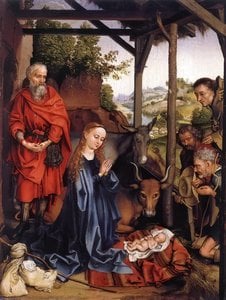
- <Gravuri: Incluzând Tentarea Sfântului Antonie, Adorația Păstorilor și numeroase altele, care dovedesc măiestria sa în tehnica gravurii.
Semnificație istorică și moștenire
Impactul lui Martin Schongauer asupra lumii artei a fost de o amploare considerabilă. A fost unul dintre primii artiști germani care au obținut recunoaștere internațională în calitate de gravor. Printurile sale erau extrem de căutate și copiate cu largă distribuție, răspândind stilul său artistic prin întreaga Europă. Este documentat faptul că chiar Michelangelo a studiat și a copiat una dintre gravurile lui Schongauer – Trial of Saint Anthony – ceea ce demonstrează respectul imens cu care maestrii ulteriori îl priveau pe Schongauer.
Opera lui Schongauer a servit drept punte între arta gotică și Renaștere, deschizând calea unor artiști precum Albrecht Dürer. Utilizarea sa inovatoare a tehnicilor de gravură și devotamentul pentru detaliul artistic au lăsat o moștenire durabilă în istoria printului și a artei europene de Nord.
Moarte
Martin Schongauer a decedat la Breisach, pe 2 februarie 1491, lăsând în urmă un corpus de lucrări remarcabile care continuă să fie celebrate pentru valoarea lor artistică și importanța istorică.