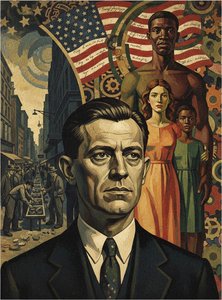
Larry Rivers: O viață în artă, muzică și film
- Naștere: 17 august 1923, The Bronx, Statele Unite ale Americii
- Deces: 14 august 2002
Larry Rivers (născut Yitzroch Loiza Grossberg) a fost un artist american polifacetic, a cărui carieră a împletit viziuni din pictură, muzică, film și teatru. Este recunoscut pe scară largă ca o figură pivot în dezvoltarea Pop Art-ului, reușind să creeze o punte între intensitatea emoțională a Expresionismului Abstract și ascenziunea unui movement care îmbrățișa iconografia culturii populare. Această fuziune unică de discipline artistice, alături de o personalitate distinctivă, i-au consolidat locul ca fiind unul dintre cei mai importanți contribuitori la arta secolului XX.
Anii de început și pasiunea pentru muzică
- Primii ani: Născut într-o familie de imigranți evrei din Ucraina, primii ani ai lui Rivers au fost modelați de peisajul cultural vibrant al Bronx-ului.
- Începuturile muzicale: Între 1940 și 1945, Rivers și-a urmat pasiunea ca saxofonist de jazz în New York. Tocmai în această perioadă a adoptat numele „Larry Rivers”, fiind prezentat faimos sub numele de „Larry Rivers and the Mudcats” într-un pub local.
- Studiile la Juilliard: A frecventat scurt celebra școală de muzică Juilliard (1945-46), studiind alături de Miles Davis, cu care a menținut o prietenie de o viață. Această bază muzicală i-a influențat profund sensibilitatea artistică, infuzând operele sale cu ritm și improvizație.
Evoluția artistică și pionieratul în Pop Art
- Tranziția către pictură: În 1945, inspirat de Georges Braque, Rivers a început să exploreze universul picturii. Studiile sale la școala Hans Hofmann (1947-48) au reprezentat o perioadă crucială în dezvoltarea sa artistică.
- Școala din New York și originile Pop Art: Deși s-a asociat cu Școala de pictori din New York, Rivers a reușit să îmbine unic tehnicile expresionismului abstract cu elemente ale culturii populare. Mulți cercetători îl consideră un progenitor cheie al Pop Art-ului datorită acestei fuziuni inovatoare de stiluri. El a fost printre cei unsprezece artiști selectați pentru expoziția de deschidere a Terrain Gallery în 1955.
- Stilul semnătură: Operele lui Rivers integrează adesea narațiuni istorice, obiecte cotidiene și elemente autoreferențiale, creând un limbaj vizual distinctiv care a provocat limitele artistice tradiționale. Lucrări remarcabile includ „Washington Crossing the Delaware” (1953), o piesă devenită iconică ce a declanșat dezbateri profunde despre artă și reprezentare.
Capodopere și colaborări memorabile
- „Washington Crossing the Delaware” (1953): Această pictură de mari dimensiuni, achiziționată de Museum of Modern Art, este considerată o lucrare de referință care i-a consacrat reputația lui Rivers.
- Anii petrecuți la Hotel Chelsea: În primii ani ai anilor '60, Rivers a locuit la Hotel Chelsea, un epicentru al figurilor artistice și literare. A interacționat și a colaborat cu numeroși artiști, printre care Yves Klein, Arman, Martial Raysse, Jean Tinguely, Niki de Saint-Phalle, Christo și Daniel Spoerri, contribuind la atmosfera creativă vibrantă a epocii.
- Activitatea în film și documentar: Rivers s-a aventurat în cinematografie, colaborând cu Pierre Dominique Gaisseau la documentarul „Africa and I” (1967). Acest proiect a implicat o călătorie periculoasă prin Africa, unde a scăpat cu puțin de viață din amenințarea executării ca mercenar suspectat. De asemenea, a lucrat la proiecte video alături de Diana Molinari și Michel Auder. \\
- Colaborări notabile: Rivers a menținut relații strânse cu poezii Frank O'Hara și Kenneth Koch, rezultând lucrări colaborative în care poezia și artele vizuale se împleteau armonios.
Moștenirea și semnificația istorică
- Influența asupra Pop Art-ului: Munca pionieră a lui Larry Rivers a influențat semnificativ dezvoltarea Pop Art-ului, deschizând calea unor artiști precum Andy Warhol. Capacitatea sa de a îmbina abstractizarea cu narațiunea și imagistica populară a fost revoluționară.
- Expoziții retrospective: O retrospectivă majoră a lucrărilor sale a fost organizată la Corcoran Gallery of Art din Washington, D.C., în 2002, consolidându-i locul în istoria artei.
- Conservarea arhivelor: Universitatea din New York (NYU) a achiziționat corespondențe și documente de la Fundația Larry Rivers pentru a păstra moștenirea sa pentru generațiile viitoare.
- Controversii și chestiuni personale: O controversă postumă a apărut în legătură cu un film care surprindea fiicele sale în perioada copilăriei, ceea ce a dus la retragerea permanentă a acestuia din expozițiile publice ale NYU, din motive de confidențialitate.
Întrebări și răspunsuri
Din ce epocă face parte Larry Rivers?
Larry Rivers a activat în perioada Era modernă. Această perioadă situează activitatea artistului în context istoric.
Există o relatare cronologică a carierei lui Larry Rivers?
Pagina Cronologie a lui Larry Rivers este o cronologie interactivă, bazată pe derularea paginii, care prezintă lucrările artistului în ordine cronologică, grupate pe perioade reprezentative ale carierei sale.
Există o listă completă a operelor lui Larry Rivers?
Toate lucrările lui Larry Rivers de pe acest site web pot fi explorate în pagina Toate operele de artă a artistului.