biography of a prolific artist
komai ki, also known as genki, was a japanese painter born in 1747 in japan and died in 1797. he was a prominent figure in the edo period (1615–1868) and a pupil of
maruyama ōkyo. komai ki is best known for his chinese studies and his talent in painting, which showcased various subjects, including haiku poems and scenes of the four seasons in kyoto.
artistic style and influences
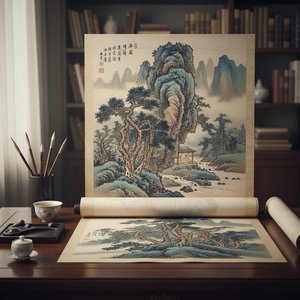
komai ki's artistic style was heavily influenced by chinese literati painting and calligraphy, which emphasized individual expression and personal interpretation over technical skill. his works, such as
yanji with orchids and yang guifei with peonies, demonstrate his mastery of ink and color on silk, showcasing the unique texture and beauty of japanese paper.
notable works and collections
*
scenes of the four seasons in kyoto (1778) - a handscroll featuring ink and color on silk, currently part of the mary griggs burke collection at
the metropolitan museum of art *
yanji with orchids and yang guifei with peonies (110 x 56 cm, silk) - a painting showcasing komai ki's talent in capturing chinese beauties
legacy and impact
komai ki's legacy is reflected in his work being part of prominent collections, including
the metropolitan museum of art. his artistic style, though often overshadowed by his master maruyama ōkyo, demonstrates a unique approach to japanese painting. komai ki's self-effacing personality, as reflected in his chosen artistic name "shiun," implies a humble and reserved individual who concealed his talent.
important: this article is based on the available information from WahooArt.com and wikipedia, and may be subject to change as more information becomes available.