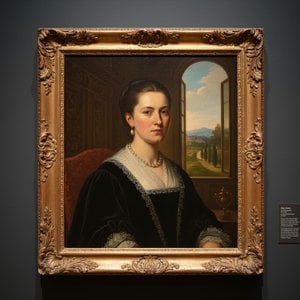
Johannes Teyler (1648 – 1709): A Pioneer of Dutch Landscape Painting
Johannes Teyler was a Dutch landscape painter born in Nijmegen, Netherlands, during the turbulent years leading up to the Thirty Years’ War. While his biographical details remain somewhat sparse compared to contemporaries like Rembrandt or Vermeer, he nonetheless stands as an important figure within the burgeoning Dutch Golden Age artistic movement—specifically recognized for his contributions to the genre of topographical landscapes and his innovative approach to capturing atmospheric perspective. His work reflects a fascination with the natural world combined with meticulous observation and skillful execution, cementing his place in art history.- Early Life & Training: Precise information about Teyler’s formative years is elusive. He apprenticed under Hendrick Jacobsz. van Balen I, a prominent Haarlem landscape painter who instilled in him the foundational principles of realism and tonal painting. This training undoubtedly shaped his artistic vision and technique.
- Notable Works & Style: Teyler gained considerable renown for his depictions of Amsterdam’s harbor area and surrounding countryside. His paintings are characterized by their remarkable accuracy—detailed renderings of ships, docks, buildings, and vegetation—demonstrating a dedication to scientific observation that was uncommon for artists of his time. He skillfully employed atmospheric perspective, creating depth and realism through subtle gradations of color and tone, anticipating techniques later championed by Canaletto and Claude Lorrain.
- Influences & Artistic Context: Teyler’s artistic sensibilities were deeply rooted in the humanist ideals prevalent during the Baroque period. Like many artists of his era, he drew inspiration from classical antiquities and sought to emulate the grandeur and clarity of Roman landscape paintings. However, unlike some of his peers who embraced Mannerism's stylized forms, Teyler prioritized naturalistic representation—a decisive step toward establishing landscape painting as a respected artistic genre.
- Museum Collections & Legacy: Several of Teyler’s canvases reside in prominent museums across Europe, including Stiftskirche St. Johann in Regensburg and Dortmund’s Propsteikirche. These artworks continue to inspire admiration for their technical brilliance and evocative portrayal of Dutch life during the seventeenth century. His contribution to topographical landscape painting is considered a cornerstone of Dutch artistic heritage.
Teylers Museum: A Reflection of Artistic Patronage
The Teylers Museum, established in Haarlem in 1687 by Willem Teylers van Scheltwijck II and his brother Johann Marius Teylers, serves as a testament to the importance of aristocratic patronage in fostering artistic innovation. Founded with the ambition to create a “Gallery of Antiquities” – showcasing both ancient sculptures and contemporary paintings – it quickly became a beacon for artists seeking recognition and financial support. Johannes Teyler’s works were proudly displayed within its walls, symbolizing Haarlem's commitment to preserving cultural excellence and furthering the advancement of artistic pursuits. The museum continues to host exhibitions celebrating Dutch art history and fostering dialogue between past and present.- The Founding Vision: Willem Teylers envisioned a space where scholars could study classical art alongside groundbreaking contemporary creations, establishing a precedent for museums as centers of learning and aesthetic appreciation.
- Teyler’s Contribution to the Collection: Johannes Teyler himself gifted several paintings to the museum's inaugural collection—primarily landscapes capturing scenes from the Dutch countryside. These artworks exemplify the museum’s dedication to showcasing exceptional artistic talent and preserving visual records of its time.
Johannes Bosboom & The Pursuit of Atmospheric Realism
While Johannes Teyler is less celebrated than some other masters of his era, he nonetheless represents a crucial element in the broader narrative of Dutch landscape painting during the Baroque period. Artists like Bosboom sought to capture not merely what the eye could see but also what the soul perceived—translating emotional experience into visual form through masterful use of tonal shading and color harmonies. This approach aligns closely with Teyler’s own artistic convictions, highlighting a shared commitment to conveying the grandeur and subtlety of nature.- Shared Artistic Principles: Both Bosboom and Teyler prioritized capturing the essence of their subjects—whether it be a serene church interior or a dramatic vista—rather than adhering to rigid stylistic conventions.
Concluding Remarks: An Artist Ahead of His Time
Johannes Teyler’s legacy resides not in fame or widespread recognition but rather in his pioneering role as a landscape painter who championed scientific observation and atmospheric perspective—techniques that would become hallmarks of European Baroque art. His paintings stand as enduring reminders of the Dutch Golden Age's artistic dynamism and its profound engagement with the natural world, securing his place among the most influential figures in Dutch art history.Întrebări și răspunsuri
Cât de populare sunt operele lui Johannes Teyler?
Există o pagină Statistici pentru Johannes Teyler, care prezintă statistici despre operele de artă ale acestuia pe acest site web.
Din ce epocă face parte Johannes Teyler?
Johannes Teyler a activat în perioada Early Modern. Această perioadă situează activitatea artistului în context istoric.
În ce oraș și țară s-a născut Johannes Teyler?
Johannes Teyler s-a născut în Nijmegen, în Netherlands.