Jean-Baptiste Debret: Un pictor neoclasicist și pionier al educației artistice din Brazilia
- Naștere: Paris, Franța (18 aprilie 1768)
- Deces: Paris, Franța (1848)
Primii ani și formarea artistică
Jean-Baptiste Debret a fost un pictor și desenator francez celebru pentru stilul său neoclasicist, o operă care îmbină rigoarea tehnică cu o sensibilitate profundă. Născut în Paris în 1768, el și-a perfecționat educația artistică sub egida prestigioasei Academii Franceze de Belle Arte. O influență decisivă în dezvoltarea sa a fost Jacques-Louis David, un artist neoclasic de renume care era, de asemenea, un rudă a lui Debret. Sub îndrumarea mentorului său, Debret și-a rafinat abilitățeli și a absorbit principiile fundamentale ale Neoclassicismului — un stil care pune accent pe austeritatea clasică, forme idealizate și o expresie emoțională elevată, dar controlată.
Momentul de cotitură: Succesul la Salon și călătoria spre Brazilia
Debret și-a făcut debutul la Salon des Beaux-Arts în 1798, unde a obținut distincția de al doilea premiu. Primele sale lucrări reflectau estetica neoclasică, oferind adesea scene istorice care rezonau cu climatul moral al epocii. Însă, un punct de cotitură esențial în cariera sa a survenit în martie 1816, când s-a alăturat misiunii artistice franceze în Brazilia. Această călătorie s-a dovedit a fi transformatoare, atât din punct de vedere personal, cât și profesional.
Participarea sa la această misiune a subliniat angajamentul Franței față de schimbul cultural și educația artistică în afara granițelor europene. În decembrie 1822, el și-a stabilit atelierul la Academia Imperială de Belle Arte din Rio de Janeiro, devenind rapid un profesor extrem de apreciat. Mai mult, Debret a condus organizarea primei expoziții de artă din Brazilia, prezentând atât propriile sale creații, cât și pe cele ale elevilor săi — un eveniment de reper pentru scena artistică braziliană aflată atunci în plină expansiune.
Stilul artistic și opere memorabile
Pinturile lui Debret sunt caracterizate printr-o atenție meticuloasă la detalii și o respectare strictă a principiilor neoclasice. Subiectele sale au cuprins frecvent evenimente istorice, portrete și scene care surprind viața și cultura braziliană, oferind perspective de o valoare inestimabilă asupra Braziliei din secolul al XIX-lea. Stilul său este profund înrădăcinat în tradiția neoclasică, fiind evident prin claritate, ordine și utilizarea formelor idealizate.
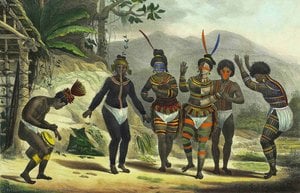
Multe dintre picturile sale descriu momente istorice semnificative, reflectând dorința de a educa și de a inspira prin intermediul artei. În timp ce petrecea timpul în Brazilia, atenția sa s-a îndreptat tot mai mult spre reprezentarea peisajelor locale, a popoarelor indigene și a vieții coloniale.
Lucrări remarcabile ale lui Jean-Baptiste Debret pot fi găsite pe site-ul WahooArt, printre care:
- Ceremonia Sfântă a lui D. Pedro I, Împărat al Braziliei, în Rio de Janeiro, 1 decembrie 1822 – O litografie detaliată care surprinde un moment crucial în istoria Braziliei.
- Napoléon harangue les troupes bavaroises et wurtembourgeoises à Abensberg, 20 avril 1809 – O reprezentare puternică a lui Napoleon adresându-se trupelor.
- Indieni traversând un pârâu – Un exemplu al reprezentărilor sale detaliate ale vieții indigene.
- Populația Indigenă din Cantagalo, aprox. 1826 – O acuarelă ce prezintă peisajele și cultura braziliană.
Moștenirea și ultimii ani
Întors în Franța în 1831, Debret a fost ales membru al Académie des Beaux-Arts. Este recunoscut, probabil, cel mai mult pentru seria monumentală de trei volume de gravuri, Voyage pittoresque et historique au Brésil, publicată în 1834. Această lucrare a servit drept o înregistrare vizuală a vieții braziliene în timpul șederii sale acolo și a contribuit semnificativ la înțelegerea Europei asupra Braziliei. În ciuda recunoașterii obținute, Debret a murit într-o stare de sărăcie în Paris, în anul 1848.
Publicația sa rămâne o resursă inestimabilă atât pentru istorici, cât și pentru iubitorii de artă. Contribuțiile sale la educația artistică din Brazilia au lăsat o moștenire durabilă, ajutând la stabilirea fundamentelor pentru dezvoltarea talentului artistic brazilian.
Pentru informații suplimentare despre Jean-Baptiste Debret și opera sa, vă rugăm să vizitați site-ul WahooArt sau să consultați pagina Wikipedia dedicată Museu Nacional de Belas Artes.
Întrebări și răspunsuri
Care sunt cele mai vizionate opere ale lui Jean-Baptiste Debret?
Statistici despre lucrările lui Jean-Baptiste Debret sunt disponibile pe pagina de Statistici a artistului.
De unde este Jean-Baptiste Debret?
Jean-Baptiste Debret s-a născut în Franța.
Există o listă completă a operelor lui Jean-Baptiste Debret?
Toate lucrările lui Jean-Baptiste Debret de pe acest site web pot fi explorate în pagina Toate operele de artă a artistului.