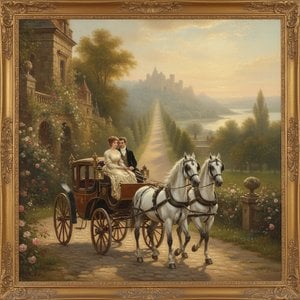
Heywood Hardy (1842–1933): A Master of Equestrian Art and Romantic Landscape
Heywood Hardy, born November 25th, 1842, in Chichester, Sussex, England, was a British artist whose legacy resides primarily within the realm of animal painting—particularly horses—and evocative landscapes imbued with the spirit of Victorian Britain. He emerged from a family steeped in artistic tradition; his father, James Hardy Senior, was a respected landscape painter and musician, establishing a lineage marked by creativity and dedication to visual arts. This familial influence profoundly shaped Hardy’s formative years, fostering an appreciation for artistic discipline and performance from a young age.- Early Life & Family Background: Hardy's upbringing in Bath instilled in him a keen understanding of social dynamics and the importance of familial bonds. His father’s role as Principal Trumpet in the Royal Band undoubtedly nurtured his musical sensibilities alongside his artistic inclinations.
- Education & Departure from Home: Driven by a spirited disagreement with his father, Hardy embarked on an independent path at seventeen, relocating to Keynsham near Bristol and enrolling at the École des Beaux-Arts in Paris. This pivotal decision exposed him to the burgeoning continental art scene—specifically Impressionism—significantly broadening his artistic horizons.
Artistic Development & Style: Bridging Romanticism with Realism
Initially focused on landscapes, Hardy swiftly transitioned to animal painting, specializing in equestrian scenes and depictions of hunting expeditions. His technical prowess was remarkable; he possessed an exceptional eye for anatomy and movement, meticulously capturing the dynamism of horses and their riders—skills honed further through his studies under Professor Alfred Henry Garrod on horse gait. Hardy’s artistic style skillfully blended Romanticism's dramatic atmosphere with realism’s meticulous observation, resulting in paintings that conveyed both grandeur and palpable emotion. Considerably influenced by Impressionist techniques, he nonetheless retained a distinctly British aesthetic sensibility.- Key Subjects: Hardy achieved renown for his portraits of horses—often accompanied by their owners—and celebrated hunting scenes brimming with detail and narrative power. His canvases captured the essence of aristocratic leisure while adhering to exacting standards of artistic accuracy.
- Notable Achievements & Recognition: Hardy’s consistent participation in Royal Academy exhibitions cemented his reputation within the British art establishment. Critically acclaimed for his depiction of fighting lions—described by *The Times* as “daring and determined”—he garnered considerable praise for his masterful execution.
Major Commissions & Artistic Legacy: Equestrian Portraits & Landscape Faith
Hardy’s artistic career flourished throughout the Victorian era, securing prestigious commissions from prominent patrons like Lady Ida Sitwell and establishing him as a sought-after portrait artist. He further distinguished himself by painting three winners of the Grand National steeplechase—a testament to his understanding of equestrian culture and his ability to capture the thrill of competition. Later in life, Hardy turned towards religious art, creating panels depicting biblical scenes for Clymping Church—a poignant reflection on his artistic journey and a lasting contribution to local ecclesiastical heritage.- Family Connections: Hardy’s daughters Nina and Mabel pursued careers as artists themselves, continuing the family's artistic legacy. Mabel’s marriage to Charles Ormond Maugham connected the Hardy family to literary circles—a testament to their multifaceted interests.
Concluding Reflections: A Romantic Vision of Britain
Heywood Hardy remains remembered as a significant British animal painter of his time, embodying the Victorian ideal of artistic excellence. His oeuvre offers invaluable insights into equestrian culture and aristocratic life during the period—a captivating glimpse into a bygone era rendered with sensitivity and unwavering dedication to craft. His enduring influence can be seen in the continued appreciation for Romantic landscapes and the meticulous portrayal of animal movement within British art history.Întrebări și răspunsuri
Ce pseudonime sau alte nume este cunoscut Heywood Hardy?
Heywood Hardy apare sub numele alternative Heywood Hardy Senior, James Hardy Senior (Tată), James Junior (Frate), David (Frate), Ada (Soră).
Cum pot găsi lucrările lui Heywood Hardy într-o anumită paletă de culori?
Operele lui Heywood Hardy pot fi explorate pe baza paletei cromatice în pagina de După palete de culori a artistului.
Unde pot vedea operele lui Heywood Hardy organizate după atmosferă?
Spațiu pe stări de spirit lui Heywood Hardy este o pagină care organizează operele de artă ale artistului în funcție de starea de spirit.