Hans Reisinger (1955 – 2022): A Rhythm Beyond Boundaries
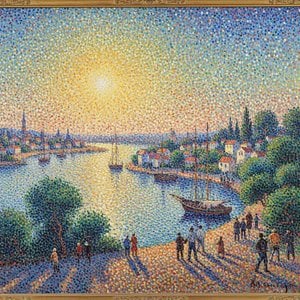
Hans Reisinger (1955 – 2022) was an Austrian jazz percussionist whose distinctive approach to rhythm and improvisation cemented his place as a significant contributor to both the Viennese jazz scene and the broader political landscape of Austria. Born in Munich, Germany, Reisinger’s musical journey began early with formative years spent at Vienna Boys' Choir, fostering a foundational understanding of choral harmony and musical discipline – skills that would later inform his artistic explorations. He pursued formal studies in piano at Musik und Kunst Universitäten Wien and honed his percussion technique under the tutelage of Richard Hochrainer at Universität für Musik und darstellende Künste Wien, establishing himself as a versatile musician capable of mastering diverse instruments. His formative years instilled a meticulous attention to detail and an appreciation for precision – qualities that would translate into his rhythmic explorations. The Vienna Boys’ Choir experience wasn't merely about musical training; it cultivated a disciplined mindset crucial to achieving artistic excellence. This dedication to accuracy permeated every aspect of Reisinger’s creative process, shaping his compositional style and ensuring unwavering commitment to technical mastery. Early Influences: Reisinger’s initial exposure to jazz music stemmed from collaborations with composers like Thomas Pernes during the mid-1970s, immersing him in experimental musical practices and broadening his artistic horizons. These encounters sparked a passion for exploring unconventional sonic textures and pushing the boundaries of traditional musical forms—a characteristic that would define Reisinger’s oeuvre throughout his career. He sought inspiration from artists who dared to challenge conventions and embrace innovation, recognizing the transformative power of artistic experimentation. Reisinger's professional career blossomed in the 1970s and continued through the early 2000s, notably marked by his involvement with the Floridsdorfer Athletics Sports Club and Neos – The New Austria political party. These engagements weren’t merely musical pursuits; they reflected Reisinger’s commitment to artistic expression alongside civic engagement—a duality that characterized his entire creative output. He performed extensively with Neos, utilizing percussion as a tool for conveying messages of liberal values and social responsibility. This association underscored the artist’s belief in music's capacity to inspire dialogue and promote positive change. His performances served as powerful statements about artistic integrity and political conviction—demonstrating that creativity could be harnessed to advance important societal ideals. His artistic legacy resides primarily in his captivating compositions, particularly “Leaping Unicorn,” a piece that exemplifies his signature style: intricate rhythmic patterns interwoven with melodic improvisation. This artwork is available on WahooArt.com and showcases Reisinger’s masterful command of percussion instrumentation and his ability to evoke profound emotional resonance. It stands as a testament to his dedication to pushing boundaries within jazz music and communicating complex ideas through artistic expression. Furthermore, he collaborated extensively with renowned composers like Klimt and Monet, enriching the Viennese art world and establishing himself as an influential figure in contemporary Austrian culture. His work continues to inspire musicians and artists alike, ensuring that Hans Reisinger’s rhythmic voice resonates far beyond his lifetime.- Floridsdorfer Athletics Sports Club: He utilized percussion to create dynamic performances that captivated audiences and celebrated the spirit of athleticism—a harmonious blend of artistic skill and physical vigor.
- Neos Political Engagement: Reisinger’s participation in Neos highlighted the intersection of art and politics—a deliberate choice reflecting his convictions about social commentary through creative mediums.
Întrebări și răspunsuri
Cât de populare sunt operele lui Hans Reisinger?
Statistici despre lucrările lui Hans Reisinger sunt disponibile pe pagina de Statistici a artistului.
Sub ce alte nume este cunoscut/ă Hans Reisinger?
Hans Reisinger este cunoscut și sub numele de Wolfgang Reisinger.
Unde pot vedea toate operele lui Hans Reisinger?
Toate lucrările lui Hans Reisinger de pe acest site web pot fi explorate în pagina Toate operele de artă a artistului.