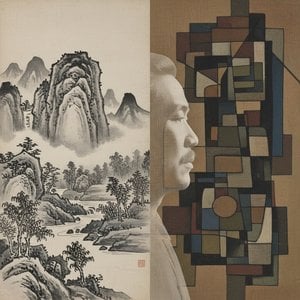
Gyun Hur (허재), born September 28, 1965, in Seoul, South Korea, is a retired basketball coach and former player who has cemented his place as arguably the greatest Korean basketball player of all time. More than just athletic prowess, Hur embodies a profound artistic sensibility—a blending of sport and art that reflects his personal journey through diaspora and memory. His nickname, “The President of Korean Basketball,” bestowed upon him by Korean fans and media, speaks volumes about his impact on the nation’s sporting culture.
Hur's basketball career spanned over three decades, beginning during the semi-professional era and coinciding with the establishment of the KBL (Korean Basketball League). He distinguished himself not only for his exceptional skills—capable of playing as a shooting guard, point guard, and under the post—but also for his unwavering dedication to representing Korea on the international stage. Notably, he took the Athlete’s Oath alongside handball player Son Mi-na at the 1988 Summer Olympics in Seoul, symbolizing unity and aspiration for Korean athletes. This formative experience instilled within him a deep appreciation for collective identity and resilience—themes that permeate his artistic explorations.
Beyond basketball, Hur's artistic practice delves into complex narratives of grief, memory, and diaspora. He is the father of basketball players heo ung and heo hoon, demonstrating a lineage rooted in athletic excellence and familial connection. His work utilizes installations, performances, drawings, and writings to explore these themes—often employing hand-shredded silk flower petals as a central motif. This material choice isn’t merely aesthetic; it represents a deliberate process of dismantling tradition and confronting loss, mirroring his own experiences as an immigrant daughter navigating multiple cultural landscapes.
His artistic journey began with explorations into the materiality of grief – specifically the painstaking labor involved in transforming silk flowers into pigment-like fragments. He meticulously collects these blossoms from cemeteries where they are discarded after wind or rain pluck them away from their dedications. The resulting material embodies this invisible, unforgiving labor—a process that transforms the origins, form, and value of the original flower. This approach reflects his belief that art can serve as a conduit for confronting trauma and loss, fostering dialogue about collective histories and personal narratives.
Hur’s artistic residencies at Stove Works (2022), Danspace Project Platform Writer-in-Residence (2019), Art Farm at Serenbe (2024) and the NARS Foundation Artist Residency Program (2019) have provided invaluable opportunities for experimentation and collaboration. His accolades include The Hudgens Prize (2010), the inaugural Hudgens Prize, and a National Endowment for the Arts Grant (2024). He has presented his work at TEDxCentennialWomen, Living Walls: The City Speaks, The Hong Kong Polytechnic University, The New School, and many others. His contributions to publications like fLoromancy, The Brooklyn Rail, and The Forgetory underscore his commitment to disseminating artistic ideas and fostering critical engagement with contemporary culture. Currently residing in Brooklyn, Gyun Hur serves as an Assistant Professor of Fine Arts at Parsons School of Design, continuing to inspire and mentor emerging artists.
Exploring Materiality and Memory
Hur’s artistic practice centers around the transformative potential of material—particularly hand-shredded silk flower petals. This meticulous process embodies a profound engagement with grief and loss, mirroring his own experiences as an immigrant daughter navigating multiple cultural landscapes. The resulting pigment-like fragments represent a deliberate dismantling of tradition and confronting trauma – themes that resonate throughout her oeuvre. Her exploration into the materiality of grief is informed by observations of cemeteries where silk flowers are discarded after wind or rain pluck them away from their dedications. This gesture speaks to the fragility of memory and the enduring power of ritual—elements she incorporates into her installations and performances.
The methodical destruction and labor-intensive reassembly of these silk flowers transform them into a poignant residuum of the past and present. Hur’s approach reflects her belief that art can serve as a conduit for confronting trauma and loss, fostering dialogue about collective histories and personal narratives. She meticulously examines the origins, form, and value of the original flower—a process that parallels her own journey through diaspora and its attendant challenges.
Notable Achievements & Artistic Influences
Gyun Hur’s artistic accomplishments include participation in prestigious residencies such as Stove Works (2022), Danspace Project Platform Writer-in-Residence (2019), Art Farm at Serenbe (2024) and the NARS Foundation Artist Residency Program (2019). Her work has garnered recognition through awards like The Hudgens Prize (2010), the inaugural Hudgens Prize, and a National Endowment for the Arts Grant (2024). Furthermore, she has presented her artistic insights at TEDxCentennialWomen, Living Walls: The City Speaks, The Hong Kong Polytechnic University, The New School, and many others. Her contributions to publications like fLoromancy, The Brooklyn Rail, and The Forgetory demonstrate her dedication to disseminating artistic ideas and fostering critical engagement with contemporary culture.
Her artistic influences extend beyond the realm of sport—drawing inspiration from writers like Nancy Princenthal (“Agnes Martin: Her Life and Art”), whose exploration of Agnes Martin’s life and art deepened Hur’s understanding of resilience and contemplation. She finds resonance in Martin's minimalist aesthetic, mirroring her own commitment to distilling complex emotions into simple forms.
Contemporary Artistic Practice & Future Directions
Currently residing in Brooklyn, Gyun Hur continues to teach at Parsons School of Design, fostering the next generation of artists while simultaneously pursuing her own creative endeavors. Her ongoing exploration into materiality and memory—particularly through her work with hand-shredded silk flower petals—suggests a trajectory toward continued engagement with themes of diaspora, loss, and transformation. As she reflects on her experiences as an immigrant daughter navigating multiple cultural landscapes, Hur’s artistic practice remains rooted in confronting trauma and fostering dialogue about collective histories – a testament to the enduring power of art as a vehicle for personal and societal reflection.
De către echipa editorială WahooArt.com
Chestionar de artă
Fiecare întrebare are un singur răspuns corect.
Întrebare 1:
What is Gyun Hur best known for?
Întrebare 2:
Where was Gyun Hur born?
Întrebare 3:
What nationality is Gyun Hur?
Întrebare 4:
Gyun Hur took the Athlete's Oath with whom at the 1988 Summer Olympics?
Explore the captivating world of Yi Eungro (Lee Ungno), a pivotal figure in Korean modernism. Discover his unique fusion of Eastern and Western artistic traditions, abstract masterpieces, and lasting legacy. A must-read for discerning art collectors.