Early Life and Artistic Foundations
Ferdinand Andri’s story begins in the charming town of Waidhofen an der Ybbs, Austria, in 1871 – a place steeped in artistic tradition. His father was a gilder, a profession that subtly shaped young Ferdinand's understanding of materials, craftsmanship, and the beauty inherent in transforming simple elements into something extraordinary. From his earliest years, he displayed a remarkable aptitude for visual arts, an innate ability to perceive and represent the world around him with striking clarity. This talent led him, at the tender age of thirteen, to apprentice under Johann Kepplinger, a skilled woodcarver and altar builder in Ottensheim near Linz. This formative period was crucial; it wasn’t merely about learning techniques but about developing an intimate understanding of three-dimensional form – a foundation that would profoundly influence his later explorations in painting and sculpture. He continued his artistic education at the Staatsgewerbeschule in Innsbruck, broadening his knowledge base beyond the practical skills of the workshop. However, it was his move to Vienna’s prestigious Academy of Fine Arts in 1886 that truly cemented his path as an artist. There, he studied under luminaries like Julius Victor Berger, Eduard von Lichtenfels, and August Eisenmenger – masters who instilled within him both a deep respect for traditional techniques and a burgeoning awareness of the possibilities offered by modern artistic expression. Crucially, Andri’s education wasn't confined to the studio walls; he embarked on extensive travels throughout Italy, France, England, and North America, immersing himself in diverse artistic styles and cultural landscapes. These journeys weren’t simply vacations; they were deliberate explorations designed to expand his visual vocabulary and challenge his preconceived notions about art. A particularly significant event occurred in 1897 when he married Charlotte Hampel, a painter herself – eight years his senior. This union was more than just a personal one; it fostered a stimulating creative exchange, providing him with a partner who understood the challenges and rewards of artistic endeavor.
Embracing Modernity: The Vienna Secession
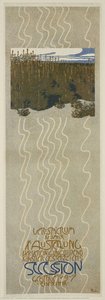
The late 19th and early 20th centuries in Austria were characterized by a powerful spirit of artistic rebellion – a desire to break free from the constraints of established traditions and forge new paths for creative expression. Ferdinand Andri found himself at the very heart of this movement as an active member of the Vienna Secession, founded in 1897. This group of artists bravely challenged the conservative norms of the traditional art academies, advocating for a radical shift in artistic values and aesthetics. Andri wasn’t simply a passive participant; he quickly rose through the ranks, eventually serving as president of the Secession from 1905 to 1906 – a testament to his leadership qualities and unwavering commitment to their innovative vision. The Secession's core philosophy revolved around rejecting academic rigidity and embracing experimentation. They sought to create art that reflected the dynamism and complexity of modern life, moving away from idealized representations towards a more honest and immediate portrayal of reality. Andri’s involvement extended far beyond simply attending meetings; he actively contributed to *Ver Sacrum*, the Secession's influential Art Nouveau magazine – a platform dedicated to showcasing their groundbreaking work and disseminating their artistic ideas to a wider audience. *Ver Sacrum* wasn’t just a publication; it was a statement of intent, a bold declaration that challenged the established art world and signaled the arrival of a new era in Austrian art. During this period, Andri demonstrated remarkable versatility, working across multiple disciplines – painting landscapes, portraits, and genre scenes – while simultaneously exploring innovative techniques and pushing the boundaries of artistic expression. This multifaceted approach reflected the Secession’s holistic vision of art as encompassing all aspects of visual culture.
Style and Influences
Andri's artistic style evolved significantly throughout his career, reflecting both his personal influences and the changing currents of the art world. Initially, his work was deeply influenced by Art Nouveau – a movement characterized by its flowing lines, organic forms, and decorative flourishes. This influence is readily apparent in his early landscapes and portraits, which are imbued with a sense of elegance and refinement. However, as he matured as an artist, Andri began to incorporate elements from other styles, including Impressionism and Symbolism. He developed a distinctive approach to landscape painting, capturing the essence of the Austrian countryside with remarkable sensitivity and detail. His genre paintings offered poignant glimpses into rural life, portraying the daily routines and traditions of the local farmers. Crucially, Andri’s work was always grounded in a deep appreciation for craftsmanship – a legacy inherited from his father's profession. He possessed an innate ability to render textures and materials with astonishing realism, creating works that possess both visual beauty and tactile appeal. The Vienna Secession itself profoundly shaped his artistic outlook, encouraging him to challenge conventional aesthetic norms and embrace experimentation. His willingness to explore new techniques and subject matter was a direct reflection of the Secession’s core values.
War and Remembrance: A Painter of Conflict
The outbreak of World War I dramatically altered Ferdinand Andri's artistic trajectory, forcing him to confront the brutal realities of conflict. From 1915 onward, he served as a war painter for the Imperial and Royal War Press Headquarters, tasked with documenting the experiences of soldiers on the front lines. This role took him to some of the most harrowing landscapes of the war – Belgrade, Montenegro, Albania, and the rugged Dolomites – where he captured scenes of both devastation and resilience. Andri’s work during this period wasn't simply propaganda; it was an attempt to bear witness to the human cost of war, skillfully blending artistic talent with meticulous observational detail. He didn’t shy away from depicting the horrors of battle, but he also sought to capture moments of quiet dignity and courage amidst the chaos. Beyond his direct depictions of battlefields, Andri channeled his artistic talents into supporting the home front, creating powerful poster designs for the Children's Relief Fund and wartime exhibitions – poignant appeals to public sentiment that highlighted the suffering caused by the war and urged support for those affected.
Later Years, Legacy, and Artistic Significance
Following the conclusion of World War I in 1918, Andri secured a long-sought teaching position at the Vienna Academy, relocating to St. Pölten before returning to Vienna. He remained there until 1939, imparting his knowledge and experience to a new generation of artists. Despite the challenges posed by the rise of Nazism, Andri continued to create art, and in 1950, he generously donated all remaining works from his possession to the city of St. Pölten – an act of profound generosity that ensured the preservation of his artistic legacy. Ferdinand Andri passed away in Vienna on May 19, 1956, leaving behind a rich and enduring body of work. His paintings are now housed in esteemed collections such as the Österreichische Galerie Belvedere in Vienna, the Lentos Kunstmuseum Linz, and the Museum Niederösterreich – testaments to his lasting influence on Austrian art history. Andri’s legacy extends beyond his individual works; he represents a pivotal bridge between traditional craftsmanship and the innovative spirit of modern artistic movements, reminding us of the power of creativity to reflect, challenge, and ultimately transcend the complexities of its time.