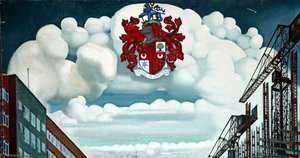
Eric Kennington, 1888 – 1960

Picturi de Eric Kennington: Cele 13 de opere cele mai faimoase, clasificate

Cea mai celebră pictură a lui Eric Kennington este Mrs George Struthers (1856–1946) (1910). Alături de The Conquerors (1920) și Flying Officer R.C. Dafforn, DFC - Eric Kennington (1941), acestea completează cele trei opere pe care toată lumea le recunoaște. Catalogul nostru include 13 lucrări ale lui Eric Kennington; cele 13 de mai jos sunt cele mai apreciate în lume, fiecare fiind însoțită de anul creației, muzeul care o păstrează și semnificația sa.

Clasate în funcție de scorul nostru de popularitate, care combină numărul de căutări, vizitele și comenzile pentru fiecare operă. Actualizat Noiembrie 2026.

Portretul lui Eric Kennington
Eric Kennington · 1888 – 1960
Născut · Decedat
1888 – 1960, Chelsea
Lucrări din catalogul nostru
13
Cele mai celebre
Mrs George Struthers (1856–1946) (1910)
Cele mai multe lucrări în
Canadian War Museum

Cele mai 10 celebre picturi ale lui Eric Kennington

Eric Kennington, picturi de la 11 la 13

Unde puteți vedea picturile lui Eric Kennington

Cele 4 muzee care dețin cele mai multe dintre picturile de pe această pagină.

Muzee Oraș Lucrări lui Eric Kennington Picturi din această listă
Canadian War Museum, OttawaCanadian War Museum Ottawa 1 The Conquerors
Royal Society of Medicine, LondraRoyal Society of Medicine Londra 1 Sir John Young Walker MacAlister (1856–1925)
The University of Reading, ReadingThe University of Reading Reading 1 Dr William Macbride Childs (1869–1939), MA
Muzeul Războiului Imperial, LondraMuzeul Războiului Imperial Londra 1 The Kensingtons at Laventie

Cea mai celebră pictură a lui Eric Kennington din fiecare deceniu

  1. 1900s
  2. 1910s
  3. 1920s
    The Conquerors (1920) de Eric Kennington
    Locul 2 din 13

    The Conquerors

    Vârsta 32 – 41 · Canadian War Museum
  4. 1930s
  5. 1940s
  6. 1950s

Întrebări despre picturile lui Eric Kennington

Care este cea mai celebră pictură a lui Eric Kennington?Afișează răspunsul

Mrs George Struthers (1856–1946) (1910). Urmează The Conquerors (1920) și Flying Officer R.C. Dafforn, DFC - Eric Kennington (1941).

Ce vârstă avea Eric Kennington când a fost pictată Mrs George Struthers (1856–1946)?Afișează răspunsul

22 ani: Mrs George Struthers (1856–1946) datează din 1910, iar Eric Kennington s-a născut în 1888.

Care sunt cele mai importante 10 picturi ale lui Eric Kennington?Afișează răspunsul

Mrs George Struthers (1856–1946), The Conquerors, Flying Officer R.C. Dafforn, DFC - Eric Kennington, Fusilier Perrin, Dr William Cunningham (1849–1919), Fellow, Clergyman and Economic Historian, William Cunningham, Sir John Young Walker MacAlister (1856–1925), Gassed and Wounded, Dr William Macbride Childs (1869–1939), MA și Able Seaman Povey of HMS 'Hardy'. Clasamentul de mai sus indică anul și muzeul pentru fiecare.

Câte picturi a realizat Eric Kennington?Afișează răspunsul

Catalogul nostru include 13 lucrări ale lui Eric Kennington, datate între 1908 și 1955.

Unde se află cele mai celebre picturi ale lui Eric Kennington?Afișează răspunsul

Majoritatea acestora se află în Canadian War Museum (Ottawa), Royal Society of Medicine (Londra) și The University of Reading (Reading). Tabelul de mai sus enumeră muzeele pe rând.

Când a pictat Eric Kennington cele mai faimoase opere?Afișează răspunsul

În 1910s: 4 dintre cele 13 lucrări de pe această pagină datează de atunci, printre acestea Mrs George Struthers (1856–1946).

Care sunt cele mai vechi și cele mai recente picturi celebre ale lui Eric Kennington?Afișează răspunsul

Cea mai veche lucrare de pe această pagină este din William Cunningham (1908), iar cea mai recentă este din Birkenhead Technical College Decoration (triptych, top panel) (1955).

Despre Eric Kennington

A Life Etched in Stone and Canvas: The World of Eric Henri Kennington

Eric Henri Kennington, born in Chelsea, London, in 1888, was an artist whose life mirrored the tumultuous currents of the early 20th century. He wasn’t merely a recorder of his time; he was deeply embedded within it, experiencing its hardships and triumphs firsthand. The son of Thomas Benjamin Kennington, a respected genre and portrait painter and founding member of the New English Art Club, Eric inherited an artistic lineage that fostered both technical skill and a keen observation of human character. His early education at St Paul’s School and the Lambeth School of Art laid the foundation for a career that would span painting, sculpture, and illustration, all marked by a profound sense of realism and empathy. Even in his youth, Kennington demonstrated an ability to capture the essence of everyday life, finding beauty and dignity in ordinary subjects – a trait that would become central to his artistic vision. His initial success with paintings of costermongers in 1914 allowed him to establish a studio, signaling the beginning of a promising career just as Europe teetered on the brink of war.

Bearing Witness: Kennington and the Great War

The outbreak of World War I irrevocably altered Kennington’s path. He enlisted in the 13th (Kensington) Battalion London Regiment in August 1914, eager to contribute to the national effort. However, his experience on the Western Front was far from romanticized. Wounded in January 1915 during a mishap with a jammed rifle – an incident that nearly cost him his foot – Kennington returned to England and spent months recovering. It was during this convalescence that he began work on what would become one of his most iconic paintings, The Kensingtons at Laventie. This remarkable piece, painted in reverse on glass, depicts a group of exhausted soldiers from his platoon, their faces etched with weariness and resilience. The painting wasn’t a glorification of war; it was an unflinching portrayal of its human cost, capturing the quiet heroism and enduring spirit of ordinary men facing extraordinary circumstances. Its exhibition in 1916 caused a sensation, praised for its technical brilliance and honest depiction of wartime reality. Kennington's commitment to portraying the truth of the conflict led to his appointment as an official war artist in 1917, allowing him extended periods on the front lines. He worked alongside artists like William Rothenstein, often under shellfire, documenting the lives of soldiers and producing a series of lithographs for the Ministry of Information aimed at bolstering public support for the war effort. However, his experience wasn’t without frustration; he felt hampered by censorship and lacked the privileges afforded to other official war artists such as William Orpen and Muirhead Bone.

Between the Wars: Portraits, Illustrations, and a Literary Collaboration

The interwar years saw Kennington diversify his artistic output. While continuing to accept portrait commissions – capturing the likenesses of prominent figures of the day – he also found success as an illustrator. His most significant collaboration during this period was with T.E. Lawrence, the legendary “Lawrence of Arabia.” Kennington accompanied Lawrence on a journey to the Middle East and created a series of drawings that served as the basis for illustrations in Lawrence’s monumental work, Seven Pillars of Wisdom. These illustrations weren't merely decorative; they were integral to conveying the atmosphere and character of the Arab Revolt. This project showcased Kennington’s versatility and his ability to translate complex narratives into compelling visual imagery. Simultaneously, he began to explore sculpture more seriously, inspired by ancient Egyptian art encountered during his travels with Lawrence. He quickly established himself as a gifted sculptor, creating works that possessed both power and sensitivity.

Memorials and Legacy: A Lasting Impression

Kennington’s talent for capturing human emotion and form found its most enduring expression in his sculptural memorials. His 24th East Surrey Division War Memorial in Battersea Park stands as a poignant tribute to the fallen, featuring powerfully sculpted figures that convey grief, loss, and remembrance. He also contributed significantly to the Shakespeare Memorial Theatre in Stratford-upon-Avon and created the tomb effigy of T.E. Lawrence at Wareham in Dorset – a fitting final homage to his friend and collaborator. Kennington continued to serve as a war artist during World War II, again focusing on depictions of everyday life for soldiers and airmen. He died in 1960, leaving behind a body of work that is both historically significant and deeply moving. His art remains a powerful testament to the human spirit’s capacity for endurance, resilience, and compassion, offering a glimpse into the realities of war and the enduring power of artistic expression. His legacy lies not only in his technical skill but also in his unwavering commitment to portraying the truth, even when it was uncomfortable or challenging.