CONSULTAȚIE GRATUITĂ ÎN ARTE VIZUALE

x

1811 - 1899

Detalii rapide

  • Born: 1811
  • Top 3 works:
    • PRISE DE DAMIETTE.1219
    • LES CHEVALIERS DE SAINT JEAN RETABLISSENT LA RELIGION EN ARMENIE.1347
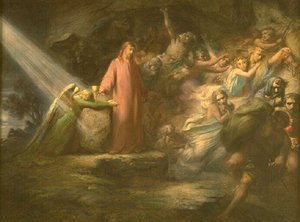
    • Le Christ acceptant son supplice
  • Art period: 19th Century
  • Top-ranked work: PRISE DE DAMIETTE.1219
  • Vezi mai multe…
  • Lifespan: 88 years
  • Copyright status: Public domain
  • Works on APS: 3
  • Died: 1899

Henri Delaborde: A Classical Voice Amidst Modern Currents

Henri Delaborde (1811-1899) stands as a pivotal figure in late 19th-century French art, recognized not merely for his prolific output but also for his astute critical eye and unwavering dedication to preserving the legacy of classical artistic ideals. Born in Rennes, Brittany, he descended from a noble lineage that instilled within him an appreciation for tradition and scholarly pursuits—qualities which profoundly shaped his artistic trajectory and intellectual engagement. Delaborde’s formal education commenced at Paris University, where he immersed himself in the study of literature and philosophy alongside honing his artistic skills under the tutelage of Alexandre César Delaroche, a celebrated Romantic painter whose influence extended far beyond mere stylistic imitation. This formative period established a bedrock of classical technique and compositional principles that would permeate his subsequent works. However, unlike many of his contemporaries who embraced the burgeoning Impressionist movement, Delaborde steadfastly adhered to a rigorously disciplined approach rooted in academic tradition. His artistic output encompassed both monumental historical paintings and smaller devotional pieces, reflecting a deep conviction in the power of art to convey moral and spiritual truths. Among his most notable achievements are frescoes adorning Saint Clotilde Basilica in Paris—a testament to his commitment to serving the Church and upholding artistic standards of excellence. These ambitious projects demanded meticulous planning and execution, showcasing Delaborde’s mastery of fresco technique and his ability to capture dramatic narratives with unwavering accuracy. Beyond his visual accomplishments, Delaborde exerted considerable influence as a literary critic and historian. He served as Perpetual Secretary of the Académie des Beaux-Arts for decades, actively shaping artistic discourse and championing the preservation of classical values within the evolving landscape of French art. His writings—particularly “Mélanges sur l’art contemporain” (1866) and “Études sur les beaux-arts en France et en Italie” (1864)—provided invaluable insights into the artistic currents of his time, offering astute analyses of Ingres, Florentine masters, and the broader trends shaping European art. He was elected to the Institut Français in 1868 and later served as Conservator of Prints at the Bibliothèque nationale de France until his retirement in 1885—roles that underscored his unwavering commitment to safeguarding artistic heritage. Delaborde’s enduring legacy resides not only in his impressive oeuvre but also in his role as a staunch defender of classical aesthetics amidst the turbulent experimentation of Impressionism and Post-Impressionism. He championed the virtues of disegno – careful drawing – and compositional balance, arguing that these principles were essential for achieving artistic grandeur and conveying profound emotional resonance. His scholarship on Ingres—particularly his defense of Ingres’s stylistic choices—continues to provoke debate and illuminate the complexities of artistic judgment within a period marked by radical innovation. Henri Delaborde remains an artist whose unwavering devotion to tradition secured him a place as one of the most important voices in French art history.