O viață care a unit Estul de Vest
Chu Teh-chun, născut Zhu Dequn în 1920 în orășelul Xiao County, provincia Anhui, China, se impune ca o figură monumentală în arta modernă—un pictor care a sintetizat cu eloquență tradițiile străvechi ale picturii chineze cu energia debordante a expresionismului abstract occidental. Viața sa a fost una de negociere constantă între culturi, o călătoră începută în mijlocul tulburărilor politice și culminată cu recunoaștere internațională. Povestea lui Chu nu este pur și simplu despre un artist care adoptă stiluri noi; este vorba despre forjarea unui limbaj vizual unic, născut dintr-o înțelegere profundă atât a filosofiei orientale, cât și a inovației artistice occidentale. El a trecut la cea eternă în 2014, lăsând în urmă un moștenire care continuă să inspire și să captive publicul din întreaga lume.Anii formativi și trezirea artistică
Primele contacte ale lui Chu cu arta au fost profund înrădăcinate în aprecierea familiei sale pentru cultura chineză. Bunicul său, un colecționar de picturi și poezie, i-a insuflat tânărului Chu o venerație pentru linie, compoziție și puterea expresivă a caligrafiei—elemente care aveau să devină pietre de temelie ale identității sale artistice. În 1935, s-a înscris la Școala Națională de Arte Frumoase din Hangzhou (astăzi Academia de Artă din China), un moment crucial care l-a pus pe calea devenirii unui artist profesionist. Acolo, sub îndrumarea unor figuri influente precum Fang Ganmin și Wu Dayu, a primit o instruire riguroasă atât în principiile artei occidentale, cât și în tehnicile picturii tradiționale chineze sub îndată a lui Pan Tianshou. În această perioadă a format o prietenie durabilă cu doi colegi de studii—Wu Guanzhong și Zao Wou-ki—un triumvirat numit curând „Cei Trei Muschetari” ai artei chineze moderniste. Această ambiție comună de a uni tradițiile artistice orientale și occidentale le-a alimentat explorările individuale și a modelat colectiv peisajul picturii chineze moderne. Chiar și în aceste lucrări timpurii, influențate de maeștri precum Cézanne, Derain și Matisse, a început să emergă o sensibilitate distinctă—un echilibru delicat între observație și expresie emoțională.Transformarea pariziană și nașterea unui stil abstract
Turbulențele politice din 1949 l-au determinat pe Chu să se relocateze mai întâi în Taiwan și apoi, în 1955, la Paris – un oraș care avea să devină căminul său de o viață și sanctuarul său artistic. Obținerea cetățeniei franceze în 1980 i-a consolidat și mai mult legătura cu Occidentul. Deși inițial a continuat să exploreze forme reprezentative, un punct de cotitură a sosit în 1956, odată cu o expoziție de peisaje abstracte ale lui Nicolas de Staël. Această întâlnire s-a dovedit a fi profund transformatoare, inspirându-l pe Chu să renunțe la reprezentarea figurativă și să îmbrățișeze abstractizarea ca mijloc de a transmite adevăruri emoționale mai profunde. El a început să dezvolte un stil distinctiv, caracterizat prin pensule de culoare îndrăznești, evocația caligrafiei chineze, texturi stratificate și peisaje lirice care sugerau măreția naturii fără a o reprezenta direct. Aceasta nu a fost doar o adoptare a tehnicilor occidentale; mai degrabă, Chu a filtrat expresionismul abstract prin sensibilitatea sa unică chineză, creând ceva complet nou. Picturile sale s-au îndepărtat de reprezentarea literală către o explorare expresivă a formei, culorii și emoției—o poezie vizuală născută dintr-o viață imersă în ambele tradiții artistice, cea de Est și cea de Vest.Recunoaștere și moștenire durabilă
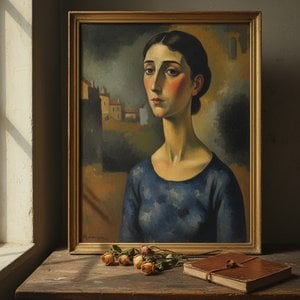
Talentul lui Chu Teh-chun a câștigat rapid recunoaștere internațională. Tabloul său ulei din 1956, „Portretul lui Tung Ching-chao”, un omagiu adus soției sale, a câștigat o medalie de argint la Salonul de la Paris și a fost lăudat de Wu Guanzhong drept „Mona Lisa din Est”, o dovadă a profunzimii sale emoționale și a inovației artistice. O expoziție de reper la Muzeul de Artă Carnegie din Pittsburgh, în 1964, l-a propulsat pe scena mondială, ducând la achiziționarea lucrărilor sale de către peste cincizeci de muzee din întreaga lume. În 1997, a atins un prag fără precedent, devenind primul membru de etnie chineză ales în prestigioasa Académie des Beaux-Arts din Franța—o recunoaștere a contribuției sale semnificative la lumea artei. Operele sale au atins constant prețuri înalte la licitații, culminând cu vânzarea unui diptich fără titlu pentru 70,7 milioane HK$ (9,1 milioane USD) în 2013, un record care a subliniat valoarea sa de piață și importanța sa artistică. Însă, dincolo de onoruri și succes financiar, adevărata moștenire a lui Chu Teh-chun constă în capacitatea sa de a uni culturile prin intermediul artei. El a demonstrat cum caligrafia chineză și principiile filosofice pot informa expresionismul abstract, creând un limbaj vizual care a rezonat cu publicul de pe tot globul. Ca unul dintre „Cei Trei Muschetari”, el a jucat un rol crucial în modelarea traiectoriei artei chineze moderne, inspirând generații de artiști să exploreze noi forme de exprimare, rămânând în același timp ancora în patrimoniul lor cultural. Picturile sale continuă să captiveze privitorii prin frumusețea lor lirică și profunzimea emoțională, consolidându-i locul de figură majoră în istoria artei secolului XX—un artist care a întruchipat cu adevărat spiritul întâlnirii dintre Est și Vest.Întrebări și răspunsuri
Unde pot vedea operele lui Chu Teh-Chun organizate după atmosferă?
Pagina Galerie pe stări de spirit a artistului prezintă operele lui Chu Teh-Chun organizate în funcție de atmosfera lor.
Unde pot fi explorate operele lui Chu Teh-Chun, organizate pe subiecte?
Atlas pe teme lui Chu Teh-Chun este o pagină care clasifică operele de artă ale artistului în funcție de subiectele acestora.
Ce culori a folosit cel mai des Chu Teh-Chun?
Profilul cromatic al lucrărilor lui Chu Teh-Chun este prezentat în pagina Genoma Paletei a artistului.