A Life Intertwined With The Avant-Garde
Carl Van Vechten, a name resonating through the annals of early 20th-century American culture, was far more than simply a writer or photographer. He was a cultural catalyst, a passionate patron, and an astute observer who navigated the vibrant currents of modernism with remarkable energy. Born in Cedar Rapids, Iowa, in 1880, into a family that valued both intellectual pursuits and artistic expression—his mother founded the local library and possessed musical talent—Van Vechten’s early life laid the foundation for his multifaceted career. His initial passions leaned towards music and theatre, but it was through writing that he first found his voice, initially as “The Chaperone,” a columnist known for its semi-autobiographical gossip and sharp criticism in Chicago. This marked the beginning of a lifelong engagement with public discourse and artistic commentary. A move to New York City in 1906 solidified his position within the burgeoning cultural landscape, leading to a role as an assistant music critic at *The New York Times*.From Literary Critic To Champion Of Modernity
Van Vechten’s intellectual curiosity propelled him beyond traditional criticism. He embarked on journeys to Europe, immersing himself in the world of opera and forging connections that would shape his artistic sensibilities. It was during this period he met Mabel Dodge Luhan, a pivotal figure who introduced him to the heart of the avant-garde movement. This introduction led to a profound friendship with Gertrude Stein, a relationship that would profoundly influence Van Vechten’s own work and ultimately lead to his role as her literary executor. He became a devoted advocate for Stein's experimental writing, even penning “How To Read Gertrude Stein” in an attempt to demystify her often challenging prose. His involvement with figures like Isadora Duncan, Anna Pavlova, and Loie Fuller further cemented his position as a champion of modern dance and performance art—he wasn’t merely observing these movements; he was actively participating in their evolution, fostering dialogue and providing crucial support. This period saw him transition from solely critiquing the arts to becoming an integral part of its creation and dissemination. He recognized that true artistic progress demanded confronting established conventions and embracing new perspectives.Photography And The Harlem Renaissance
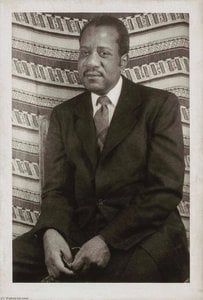
The 1930s marked a significant turning point in Van Vechten’s artistic trajectory with his embrace of photography, specifically using a Leica camera. This newfound medium allowed him to capture portraits of his extensive network of friends and acquaintances—artists, writers, performers—with an intimacy and immediacy that resonated deeply. However, it was his engagement with the Harlem Renaissance that truly defined this phase of his career. Van Vechten became a dedicated patron and documentarian of African American artistic expression, utilizing his considerable influence to elevate the voices of emerging talents. His photographs offer invaluable glimpses into the lives and creative energies of figures like Langston Hughes, Zora Neale Hurston, and Bessie Smith—images that capture not only their physical likeness but also their spirit and ambition. He understood that documenting this vibrant cultural movement was essential for preserving its legacy and ensuring it wouldn’t be forgotten by future generations. His work served as a powerful testament to the dynamism of American culture during a transformative era.Notable Works And Legacy
Among Van Vechten's most celebrated achievements are his portraits of luminaries like Gertrude Stein, Mabel Dodge Luhan, and Ralph Bunche—each capturing a moment of profound artistic engagement. His novel *Nigger Heaven*, published in 1926, remains controversial due to its provocative title—a deliberate challenge to societal prejudices—yet it aimed to portray the complexities of African American life in Harlem with unflinching honesty. Furthermore, his meticulous documentation of modernist dance performances solidified his role as a pioneer in visual arts and contributed significantly to our understanding of this influential movement. His legacy extends beyond individual artworks; he fostered an environment of intellectual curiosity and artistic experimentation that continues to inspire artists today. Carl Van Vechten’s contribution to American culture is undeniable—a testament to the transformative power of observation, advocacy, and unwavering commitment to artistic innovation.A Complex Figure
Van Vechten's personal life was as multifaceted as his artistic pursuits. His marriage to Fania Marinoff, an actress with progressive social views, endured for decades, fostering a partnership marked by mutual respect and intellectual stimulation. Yet, alongside this enduring relationship existed relationships with men—most notably Mark Lutz—the correspondence between them revealing hidden depths of emotion and thought. He wasn’t afraid to confront societal expectations and explore unconventional desires, embodying the spirit of rebellion that characterized his time. Despite facing criticism for certain artistic choices and personal conduct, Van Vechten remained steadfast in his belief that art should challenge boundaries and provoke reflection—a conviction that continues to resonate with artists and scholars alike. He stands as a complex figure—a champion of modernity, a devoted patron, and an artist whose work reflects the anxieties and aspirations of a rapidly changing world.Întrebări și răspunsuri
Pot explora operele lui Carl Van Vechten pe baza unor cuvinte cheie?
Pentru a găsi lucrări realizate de Carl Van Vechten pe o temă specifică, accesați pagina După cuvinte cheie a artistului, unde operele sunt grupate pe cuvinte cheie.
Unde pot vizualiza operele lui Carl Van Vechten într-o galerie 3D?
O vizită virtuală este disponibilă: pagina Galerie 3D lui Carl Van Vechten prezintă lucrările artistului într-o galerie tridimensională.
Câte opere de artă ale lui Carl Van Vechten pot fi vizualizate în catalog?
Puteți explora cele 41 de opere de artă de opere ale lui Carl Van Vechten pe pagina Toate operele de artă.