CONSULTAȚIE GRATUITĂ ÎN ARTE VIZUALE

x

1556 - 1598

Detalii rapide

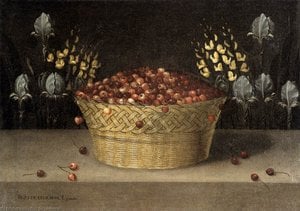
  • Top-ranked work: Basket of Cherries and Flowers
  • Also known as: Blas Prado
  • Died: 1598
  • Works on APS: 4
  • Top 3 works:
    • Basket of Cherries and Flowers
    • Still life with Asparagus, Artichokes, Lemons and Cherries
    • A Basket Of Aubergines With Two Aubergines On A Ledge Covered With A Cloth, Chilli Peppers Growing Behind
  • Lifespan: 42 years
  • Vezi mai multe…
  • Nationality: Spain
  • Copyright status: Public domain
  • Born: 1556, Spain
  • Art period: Renaissance
  • Museums on APS:
    • High Museum of Art
    • High Museum of Art
    • High Museum of Art
    • High Museum of Art
    • High Museum of Art

Test de cunoștințe despre artă

Fiecare întrebare are un singur răspuns corect.

Întrebare 1:
Q1
Întrebare 2:
Q2
Întrebare 3:
Q3
Întrebare 4:
Q4
Întrebare 5:
Q5

Blas de Ledesma: A Granada Master of Still Life

Blas de Ledesma remains an enigmatic figure in Spanish Baroque art, largely due to the scarcity of verifiable biographical information and the prevalence of unsigned paintings bearing his signature. Despite this obscurity, he is recognized as a significant artist active during the early 17th century, primarily associated with Granada, where he undertook prestigious commissions for the Alhambra palace. Francisco Pacheco’s *Arte de la Pintura* mentions Ledesma's presence in Granada around 1602-1614, marking him as one of the prominent painters decorating the royal residence. This patronage reflects the artistic fervor of the period and underscores Granada’s role as a center for cultural production during Habsburg rule. The Alhambra commission involved creating a monumental stucco vault decoration—a testament to Ledesma's technical skill and ambition—demonstrating his mastery of illusionistic painting techniques. Determining Ledesma’s precise stylistic influences is challenging, owing to the limited surviving oeuvre. However, scholars suggest connections to Flemish Mannerism and Italian Caravaggio, particularly in terms of dramatic chiaroscuro and expressive handling of light and shadow. These influences would have undoubtedly shaped his approach to portraying fruit and flowers—a genre he skillfully executed with meticulous detail and vibrant color palettes. His paintings are characterized by a remarkable sensitivity to naturalistic observation combined with an artistic vision that elevates the commonplace subject matter into symbols of beauty and contemplation. Ledesma’s compositions often feature arrangements of fruits – peaches, pears, plums – alongside flowers—roses, lilies, carnations—creating harmonious visual narratives imbued with spiritual resonance. The artist's meticulous rendering of textures and surfaces contributes to the illusionistic depth of his canvases, mirroring the Baroque preoccupation with creating immersive experiences for the viewer. Despite the difficulty in establishing a definitive stylistic profile, Blas de Ledesma’s Granada frescoes stand as enduring monuments to Baroque artistry—a testament to his contribution to Spanish art history and a captivating glimpse into the artistic landscape of Habsburg Spain. His work continues to inspire admiration for its elegance, precision, and profound engagement with the natural world.