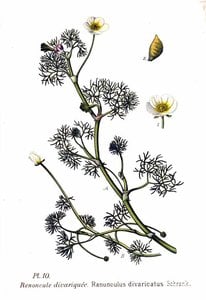
Untitled (AQTDFX) (2001) este cea mai celebră pictură a lui Amédée Masclef. Untitled (AQTDGM) (2001) și Untitled (AQTDFV) (2001) sunt următoarele două opere pe care lumea le cunoaște cel mai bine. Dintr-un total de 94 opere ale lui Amédée Masclef din catalogul nostru, iată cele 94 cele mai căutate de colecționari și vizitatori de muzee, incluzând anul, muzeul și povestea fiecăreia.
Clasate în funcție de scorul nostru de popularitate, care combină numărul de căutări, vizitele și comenzile pentru fiecare operă. Actualizat Octombrie 2026. Fiecare capodoperă de pe această pagină poate fi comandată ca o reproducere pictată manual în ulei, de calitate muzeală, sau ca o printare de artă fină, la dimensiunea aleasă de dumneavoastră.


Cele patru teme care se regăsesc cel mai des printre aceste capodopere, cu cel mai fin exemplu pentru fiecare.
Untitled (AQTDFX) (2001). Urmează Untitled (AQTDGM) (2001) și Untitled (AQTDFV) (2001).
Untitled (AQTDFX), Untitled (AQTDGM), Untitled (AQTDFV), Untitled (AQTDH5), Untitled (AQTDFB), Untitled (AQTDGX), Untitled (AQTDEZ), Untitled (AQTDDK), Untitled (AQTDDP) și Untitled (AQTDDF). Clasamentul de mai sus indică anul și muzeul pentru fiecare.
Catalogul nostru include 94 lucrări ale lui Amédée Masclef.
Botanical art (12), Plant anatomy (6) și Detailed drawing (6), printre cele 94 opere de pe această pagină.
Symbolism și Scientific illustration, așa cum demonstrează picturile de pe această pagină.
Da. Orice pictură de pe această pagină poate fi comandată ca o reproducere pictată manual în ulei, de calitate muzeală, sau ca o print de artă fină, în dimensiunea aleasă de dumneavoastră, direct de pe pagina propriei picturi.
In the twilight of the nineteenth century, as the rigid structures of academic realism began to dissolve into the ethereal mists of Symbolism, the work of Amédée Masclef emerged as a profound bridge between two worlds. Born on August 9, 1858, in Béthune, Masclef did not merely observe nature; he sought to interpret its divine architecture. His journey was one of unique dualities, shaped by his early theological studies at Amiens Cathedral and his eventual ordination as an abbé in 1885. This spiritual foundation infused his artistic practice with a sense of reverence, transforming the act of botanical illustration from a scientific endeavor into a meditative exploration of the sacred order hidden within the natural world.
Masclef’s artistic development was deeply rooted in the traditions of the Barbizon school, a movement that championed the direct, unadorned observation of nature. From this lineage, he inherited a commitment to authenticity and a profound respect for the en plein air spirit. However, Mascle and his contemporaries were increasingly drawn toward the burgeoning Symbolist movement, which sought to capture subjective experience and emotional resonance. In Masclef’s hands, a simple dandelion or a delicate sprig of chamomile became more than mere specimens; they were vessels of sentiment, imbued with a dreamlike quality that transcended their physical forms.
The pinnacle of Masclef’s contribution to the visual arts lies in his monumental achievement, the Atlas des Plantes de France. Published in 1891 and revised in 1893 in collaboration with Gaston Bonnier, this extraordinary work consists of four hundred meticulously rendered plates. This was not merely a catalog of flora but a triumph of watercolor technique, where precision met poetry. Each plate demonstrates a masterful command of layering and hatching, capturing the delicate textures, translucent petals, and intricate structures of French vegetation with scientific accuracy and an unmistakable artistic soul.
Beyond his famous atlas, Masclef’s oeuvre is characterized by several key achievements that solidified his place in botanical history:
To look upon a Masclef watercolor is to witness the intersection of the analytical mind and the searching soul. His work serves as a vital historical record of the French landscape, yet it remains eternally contemporary through its emotional depth. While he may be overshadowed in popular memory by the more flamboyant figures of the Symbolist movement, his legacy persists in the quiet, enduring beauty of his botanical portraits. He remains a pivotal figure who proved that the most minute details of the natural world—the curve of a leaf or the hue of a petal—could hold the weight of the infinite.