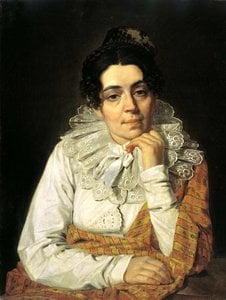
Alexei Gavrilovich Venetsianov (1780-1847): Pionier al Vieții Țărănești în Artă
- Naștere: Moscova, Rusia, 1780
Alexei Gavrilovich Venetsianov se impune ca o figură de nestins în istoria artei ruse, fiind celebrat pentru reprezentările sale revoluționare ale vieții țărănești și ale experiențelor cotidiene ale oamenilor de rând. Născut într-o familie de negustori cu rădăcini grecești în Moscova, călătoria sa artistică a fost marcată atât de lupte personale, cât și de contribuții semnificative la dezvoltarea unui stil național distinctiv, pur rus.
Primii Ani și Devoltarea Artistică
Înainte de a se dedica întregului său talent, Venetsianov a urmărit inițial o carieră în funcția publică. Mutându-se la Sankt Petersburg, acesta și-a început studiile prin copierea meticuloasă a cap-cap-cap-cap-cap-cap-cap-cap-cap-cap-cap-cap-cap-cap-cap-cap-cap-cap-cap-cap-cap-cap-cap-cap-cap-cap-cap-cap-cap-cap-cap-cap-cap-cap-cap-cap-cap-cap-cap-cap-cap-cap-cap-cap-cap-cap-cap-cap-cap-cap-cap-cap-cap-cap-cap-cap-cap-cap-cap-cap-cap-cap-cap-cap-cap-cap-cap-cap-cap-cap-cap-prezentate în colecția Hermitage, exersând totodată portretistica. O perioadă crucială a formării sale a fost ucenicia sub îndrumarea lui Vladimir Borovikovsky, un portretist rus de prim rang al epocii. Trăind în casa lui Borovikovsky, Venetsianov a beneficiat de o instruire inestimabilă și de expunerea la practicile artistice consacrate.
Cu toate acestea, parcursul său nu a fost lipsit de obstacole; în ciuda talentului evident, Venetsianov s-a confruntat cu dificultăți în obținerea unor comenzi ca portretist independent, evidențiind provocările pe care artiștii le întâmpinau în afara instituțiilor academice formale. Un moment de cotitură a fost însă anul 1811, când a obținut recunoașterea Academiei de Arte, primind titlul de Academician pentru autoportretul său și pentru un portret al lui K.I. Golovachevsky și al unor elevi tineri, un pas esențial în consolidarea carierei sale.
Trecerea la Scenele Rurale și Întemeierea Propriului Școală
În anul 1819, Venetsianov a luat o decizie radicală: s-a dedicat întregului său spirit artistic, renunțând la funcția publică pentru a cumpăra un sat numit Safonkovo, unde s-a stabilit definitiv. Această schimbare de perspectivă a devenit punctul de inflexiune al viziunii sale. Locuind în Safonkovo, el a avut acces direct la peisajul rural și la comunității țărănești, teme care au devenit nucleul operei sale. Prin observația atentă a naturii și a vieții de zi cu zi, el a reușit să surprindă esența Rusiei din secolul al XIX-lea.
Venetsianov este recunoscut pe scară largă drept primul artist rus care a portretizat sistematic viața țărănească cu o asemenea autenticitate și sensibilitate. Lucrările sale au depășit reprezentările romantizate sau idealizate, oferind o privire realistă asupra lumii lor. Din anii 1820, el a început să atragă tineri din medii sărace, inclusiv serbi precum Grigory Soroka, pentru a le preda pictura, ducând la înființarea propriei școli informale de pictură — o dovadă a pasiunii sale de a cultiva talentul și de a promova accesibilitatea educației artistice. Această dedicare nu a trecut neobservată, Tsar Nicolai I recunoscând contribuția sa la tendințele naționale ale artei și numindu-l pictor de curte, oferind astfel sprijin financiar crucial pentru școala sa.
Opere Majore și Stil Artistic
Opera lui Venetsianov include numeroase lucrări remarcabile, precum „Portretul unei fete țărănești”, „Mozaic de secător pe lan”, „Fată țărănească cu cornule”, „Primăvara, pe pământ arat”, „Vara, recoltarea”, „Zakharka”, „Fată în șal pătrățit”, „Fată cu un vițel”, „Ghicitul”, „Copil de fermier cu lapte” și „Dădacă cu un copil”. Stilul său este definit prin realism, o atenție minuțioasă la detalii și o reprezentare naturalistică a luminii și umbrei. Folosind o abordare bazată pe observația directă, el a reușit să surprindă texturile materialelor, expresiile fețelor și nuanțele subtile ale peisajelor rurale.
Deși este cunoscut în principal pentru realismul său, opera lui Venetsianov prezintă și influențe din perioada Barocului, în special prin utilizarea unei lumini dramatice și a unui impasto texturat, așa cum se poate observa în „Capul unui bătrân țăran”.
Moștenire și Semnificație Istorică
Accentul pionier al lui Venetsianov asupra vieții țărănești a pus bazele dezvoltării realismului rus în artă. Munca sa a deschis calea generațiilor ulterioare de artiști care au căutat să depindă realitățile sociale cu onestitate și empatie. Prin portretarea vieților și a luptelor oamenilor de rând, Venetsianov a contribuit semnificativ la formarea unei identități naționale distincte în arta rusă.
Viața sa s-a încheiat tragic în anul 1847, când trăsura sa s-a răsturnat într-un accident. În ciuda unei cariere relativ scurte, impactul său asupra artei ruse rămâne profund, viu și nemuritor.
Întrebări și răspunsuri
Ce stări exprimă operele lui Alexei Venetsianov?
Pagina Spațiu pe stări de spirit a artistului prezintă operele lui Alexei Venetsianov organizate în funcție de atmosfera lor.
Câte opere de artă ale lui Alexei Venetsianov pot fi vizualizate?
Puteți vizualiza 90 opere de artă de opere ale lui Alexei Venetsianov pe pagina Toate operele de artă.
Pot explora operele lui Alexei Venetsianov în funcție de spectrul de culori?
Operele lui Alexei Venetsianov pot fi explorate pe criterii de culoare în pagina Indice Spectral a artistului.