CONSULTAȚIE GRATUITĂ ÎN ARTE VIZUALE

x
Comandă tipăritul Comandă tipăritulCumpără imaginea Cumpără imaginea TrimiteTrimite
DetailsDetails Adaugă la favorite Adaugă la favorite DescarcăDescarcă SimilareSimilare X-RayX-Ray DiaporamaDiaporama

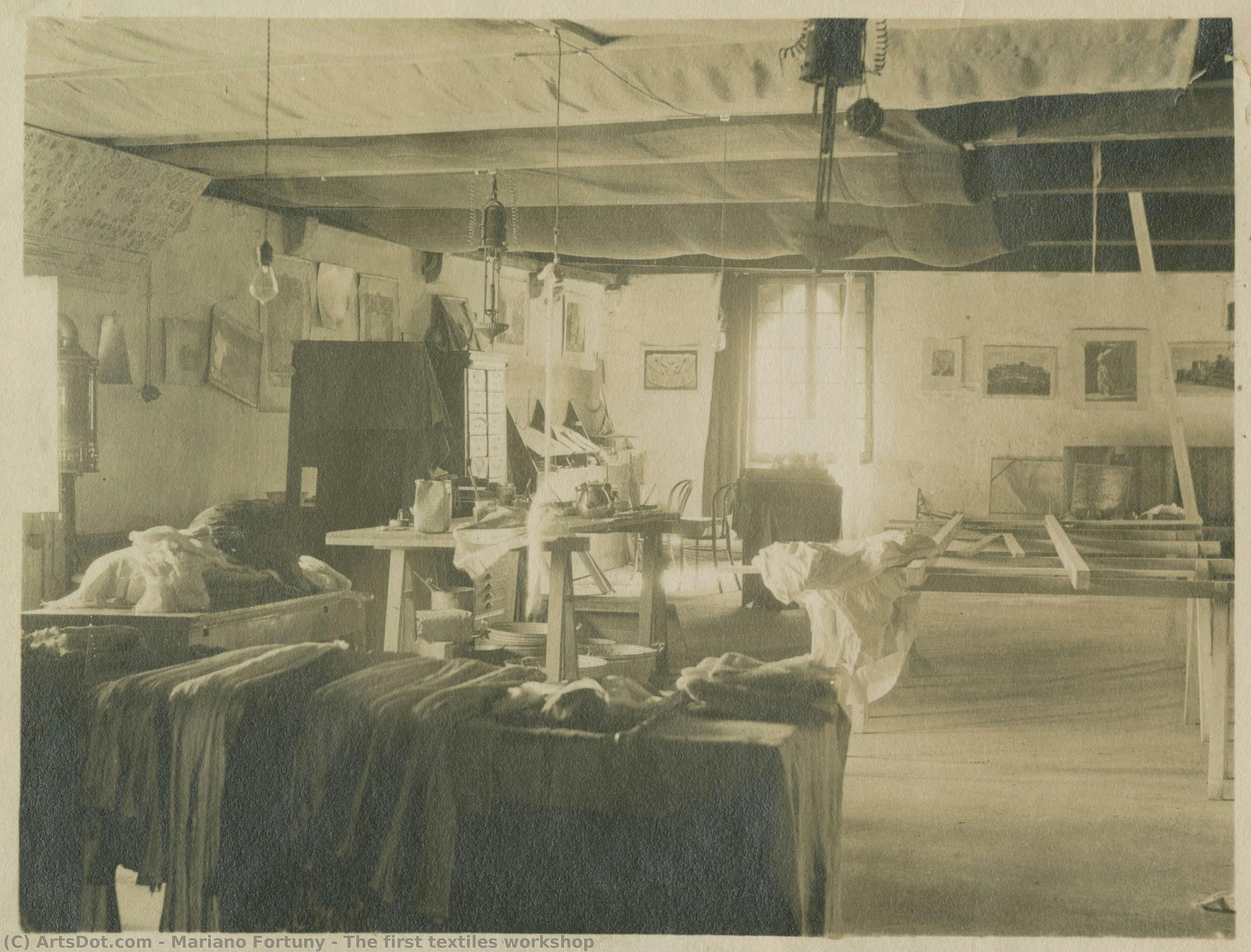
The first textiles workshop

Discover "The First Textiles Workshop" by Mariano Fortuny! This 1907 black & white photo captures a bustling textile studio, showcasing fabrics and equipment from the renowned designer's era.

Mariano Fortuny (1871-1949) a fost un designer spaniol de modă și artist renumit pentru textile inovatoare, rochiile Delphos și designurile de iluminat teatral. Explorează influențele orientale, invențiile sale revoluționare și moștenirea sa în istoria artei.

Reproducere manuală în ulei

Pictură în ulei pe pânză, pictată manual, la dimensiunea și ramele dorite de dumneavoastră, realizată la comandă de artiștii noștri.


P118B $10
P118H $10
P118W $10
P438Z $10
P508JH $12
P508YH $12
P805H $10
P805Z $10
P919BZ $10
P919G $10
P919XJ $10
P959ZH $10
P968JZ $12
W106C $8
W218G $10
W218JH $8
W218Y $10
W307PJ $10
W316G $10
W316PJ $8
W316Y $10
W398PJ $8
W4111J $10
W500HY $15
W500JH $15
W692G $12
W849H $8
W940BG $15
W953PJ $8

Standard
custom
CM
INCH

Alegeți dintre dimensiunile noastre prestabilite, care respectă proporțiile originale ale operei de artă.

lățime
înălțime

Puteți introduce propriile dimensiuni pentru a se potrivi unui anumit cadru sau spațiu. Dacă dimensiunea selectată nu corespunde proporțiilor imaginii originale, vom decupa opera de artă sau vom extinde pictura cu elemente suplimentare pictate manual. O simulare digitală vă va fi trimisă pentru aprobare înainte de începerea producției.
Vă rugăm să rețineți că previzualizarea de pe ecran nu reflectă decuparea sau extinderea reală. Doar macheta va arăta cu exactitate compoziția finală.
Deși sunt disponibile dimensiuni personalizate, vă recomandăm să selectați o dimensiune din lista predefinită pentru a păstra proporțiile originale.

Exemple de elemente ce pot fi modificate: Înlocuiți fața cu fotografia clientului; Adăugați un animal de companie (de exemplu, înlocuiți pisica cu un câine); Includeți un mesaj ascuns în fundal; Schimbați peisajul sau elementele din fundal.
După plasarea comenzii, echipa WahooArt.com va trimite clientului instrucțiuni prin e-mail și îi va furniza o previzualizare a machetei

Livrare în întreaga lume () în 3/4 săptămâni, în loc de cele 5 săptămâni standard. (1 Iulie). Fără compromisuri în ceea ce privește calitatea.

why_choose_icon
Livrare expres gratuită la nivel mondial
why_choose_icon
Pânză de in de înaltă calitate
why_choose_icon
Asigurare completă pentru transport
why_choose_icon
Garanție de rambursare a taxelor vamale
why_choose_icon
Garanția fidelității culorilor
why_choose_icon
Politica de retur de 60 de zile (doar pentru defecte)
why_choose_icon
Garanție 100% de rambursare
why_choose_icon
Reducere la comenzi multiple

Preț total

-

reproduction

The first textiles workshop

Tehnică de reproducere

Dimensiune reproducere

-

Preț total calculat

-

Informații rapide

  • Artist: Mariano Fortuny
  • Artistic style: Orientalist, Historicist
  • Location: Google Arts & Culture
  • Title: The first textiles workshop
  • Year: 1907
  • Dimensions: 99 × 124 mm
  • Medium: Gelatine dry plate

Test de cunoștințe despre artă

Fiecare întrebare are un singur răspuns corect.

Întrebare 1:
What is the primary subject depicted in ‘The first textiles workshop’?
Întrebare 2:
In what year was the photograph ‘The first textiles workshop’ taken?
Întrebare 3:
According to the description, what is the overall atmosphere suggested by the photograph?
Întrebare 4:
Who was Mariano Fortuny primarily known for?
Întrebare 5:
What is the size of the photograph ‘The first textiles workshop’?

Descriere operă de artă

A Studio of Dreams: The First Textiles Workshop by Mariano Fortuny

Captured in a striking black and white photograph, “The First Textiles Workshop” offers an intimate window into the creative heart of Mariano Fortuny y Madrazo’s studio. Dating back to 1907, this image isn't merely documentation; it’s a portal to a world where artistry seamlessly blended with industry, where the echoes of ancient cultures resonated within the walls of Venice’s Palazzo Pesaro degli Orfei. The scene is immediately arresting – a room brimming with the tangible evidence of a dedicated craft: bolts of fabric draped across walls, meticulously arranged bottles hinting at a vibrant palette of dyes, and a simple wooden table anchoring the space. Yet, it's more than just a workshop; it’s a testament to Fortuny’s revolutionary approach to design – one that sought to fuse historical inspiration with contemporary aesthetics.

  • The Setting: The photograph places us within the third floor of Palazzo Pesaro degli Orfei, Venice, a location steeped in artistic history and serving as the nucleus for Fortuny’s groundbreaking textile enterprise.
  • A Symphony of Materials: The abundance of fabric speaks volumes about the scale of operations – a full-fledged factory dedicated to producing luxurious textiles. The bottles suggest an extensive range of dyes, reflecting Fortuny's commitment to capturing and replicating the rich colors found in ancient cultures.
  • Simplicity and Functionality: The arrangement is deliberately understated, emphasizing the practical nature of the space while hinting at the artistic vision taking shape within its confines.

Fortuny’s Revolutionary Techniques – A Legacy of Innovation

Mariano Fortuny was a true innovator, not just as a painter but as a designer and inventor. His textile workshop wasn't simply about creating beautiful fabrics; it represented a radical departure from traditional methods. He pioneered techniques that allowed him to reproduce the intricate patterns and textures inspired by civilizations like Minoan Crete, ancient Egypt, and the Islamic world – motifs previously inaccessible through conventional printing processes. His meticulous research into these cultures, combined with his own artistic sensibility, resulted in designs of unparalleled beauty and sophistication.

Key Innovations:
  • Direct Printing: Fortuny initially employed a direct printing method using wooden matrices, creating outlines that allowed the dye to seep through capillary action.
  • Rotary Printing System (1910): His most significant invention was a mechanized rotary system for large-scale fabric printing, dramatically increasing production speed while maintaining the quality and artistry of his designs.

Echoes of Antiquity – Symbolism and Inspiration

The photograph itself is laden with symbolism. The hanging fabrics represent not just finished products but also the ongoing process of creation—a continuous dialogue between past and present. Fortuny’s fascination with ancient cultures wasn't merely academic; it was a deeply felt desire to recapture the beauty, elegance, and spiritual richness he perceived in these civilizations. His designs weren’t simply imitations; they were reinterpretations, infused with his own artistic vision and a profound respect for their origins. The bottles of dyes are particularly evocative, representing the transformative power of color – a key element in Fortuny's ability to evoke the atmosphere and spirit of distant lands.

A Timeless Vision – Fortuny’s Enduring Influence

“The First Textiles Workshop” offers a rare glimpse into the mind of a visionary artist. It reveals not just a working space but a crucible where historical research, technical innovation, and artistic passion converged. Fortuny's legacy extends far beyond his beautiful textiles; he fundamentally changed the way we think about design, demonstrating that inspiration can be found in the most unexpected places – and that beauty can be achieved through a synthesis of tradition and modernity. Reproductions of this photograph capture not only the physical space but also the spirit of experimentation and artistic exploration that defined Fortuny’s remarkable career.

Opere de artă similare


Biografie artist

Early Life and Inspiration

Mariano Fortuny y Marsal, a name synonymous with innovation and theatrical spectacle, was born in Reus, Catalonia, Spain, on May 11, 1871. His early life was marked by profound loss – his father, also a painter named Mariano Fortuny y Marsal, tragically died when the young boy was just three years old. This event profoundly shaped his trajectory, leading his family to relocate to Paris, France, where his mother fostered his burgeoning artistic talents and introduced him to the world of textiles and fabrics, elements that would later become integral to his groundbreaking work. From a remarkably young age, Fortuny demonstrated an extraordinary aptitude for various art forms: painting, photography, sculpting, architecture, etching, and even theatrical stage lighting – skills he honed with dedication and a keen eye for detail. The Parisian environment exposed him to the vibrant artistic currents of the time, further fueling his creative spirit.

Artistic Talents and Revolutionary Inventions

Fortuny’s artistic journey was characterized by relentless experimentation and a desire to push the boundaries of traditional art forms. He quickly established himself as a multi-faceted artist, seamlessly blending diverse disciplines into his creations. Beyond painting, he became a pioneer in theatrical design, driven by a fascination with light and illusion. His most significant invention, the “fortuny cyclorama dome,” revolutionized stage lighting. This ingenious structure, typically constructed from plaster or cloth, utilized indirect lighting to create seamless transitions between scenes, effectively eliminating visible seams and immersing audiences in a truly immersive experience. Fortuny’s treatise, "Eclairage Scenique" (1904), meticulously documented his revolutionary approach to reflecting light off various surfaces, demonstrating how manipulating color, intensity, and properties could dramatically alter the visual impact of a performance. He patented over twenty inventions between 1901 and 1934, solidifying his reputation as an innovator and technological visionary.

Notable Collaborations and Artistic Influences

Fortuny’s work gained considerable recognition in the 1920s, largely thanks to his collaborations with prominent figures who shared his artistic sensibilities. He worked closely with Richard Wagner, the renowned German composer, whose operas deeply inspired him, leading to evocative paintings capturing scenes from the dramatic narratives. His installation of a dome at La Scala opera house in Milan stands as a testament to his ingenuity – he not only adapted the structure for the theater’s vast space but also invented a sophisticated suction fan system to maintain its tautness and prevent sagging. These collaborations extended beyond music; Fortuny's designs were coveted by royalty, including Queen Marie Christine of Bourbon at the Parisian residence of the Duke of Riánsares. His legacy was further cemented through his influence on French novelist Marcel Proust, whose writings captured the enigmatic allure of Fortuny’s world and artistic vision.

Legacy and Enduring Influence

Mariano Fortuny passed away in Venice, Italy, on May 3, 1949, leaving behind a remarkable body of work that continues to captivate audiences today. His innovative approach to theatrical lighting, his pioneering use of textiles, and his distinctive artistic style have had a lasting impact on the world of art and design. The “Delphos gown,” perhaps his most iconic creation, became a symbol of modern elegance and freedom of movement, worn by celebrated figures such as Eleonora Duse, Isadora Duncan, and Ellen Terry. Fortuny’s work continues to inspire artists and designers across various disciplines, demonstrating the enduring power of creativity, innovation, and a profound appreciation for beauty. His story is a testament to a life dedicated to pushing artistic boundaries and transforming the way we experience art and performance.
Mariano Fortuny

Mariano Fortuny

1871 - 1949 , Spania

Detalii rapide

  • Artistic Movement Or Style: Orientalism art
  • Artists Or Movements Influenced By This Artist: ['Marcel Proust']
  • Artists Who Influenced This Artist: ['Richard Wagner']
  • Date Of Birth: 11 iunie 1871
  • Date Of Death: 3 mai 1949
  • Full Name: Mariano Fortuny y Marsal
  • Nationality: Spaniol
  • Notable Artworks:
    • Teagown
    • Portrait Henriette
  • Place Of Birth: Granada, Spania
Explorați opere de artă organizate pe teme, stiluri și caracteristici.