CONSULTAȚIE GRATUITĂ ÎN ARTE VIZUALE

x
Comandă tipăritul Comandă tipăritulComandă reproducere pictată Comandă reproducere pictată TrimiteTrimite
DetailsDetails Adaugă la favorite Adaugă la favorite DescarcăDescarcă SimilareSimilare X-RayX-Ray DiaporamaDiaporama

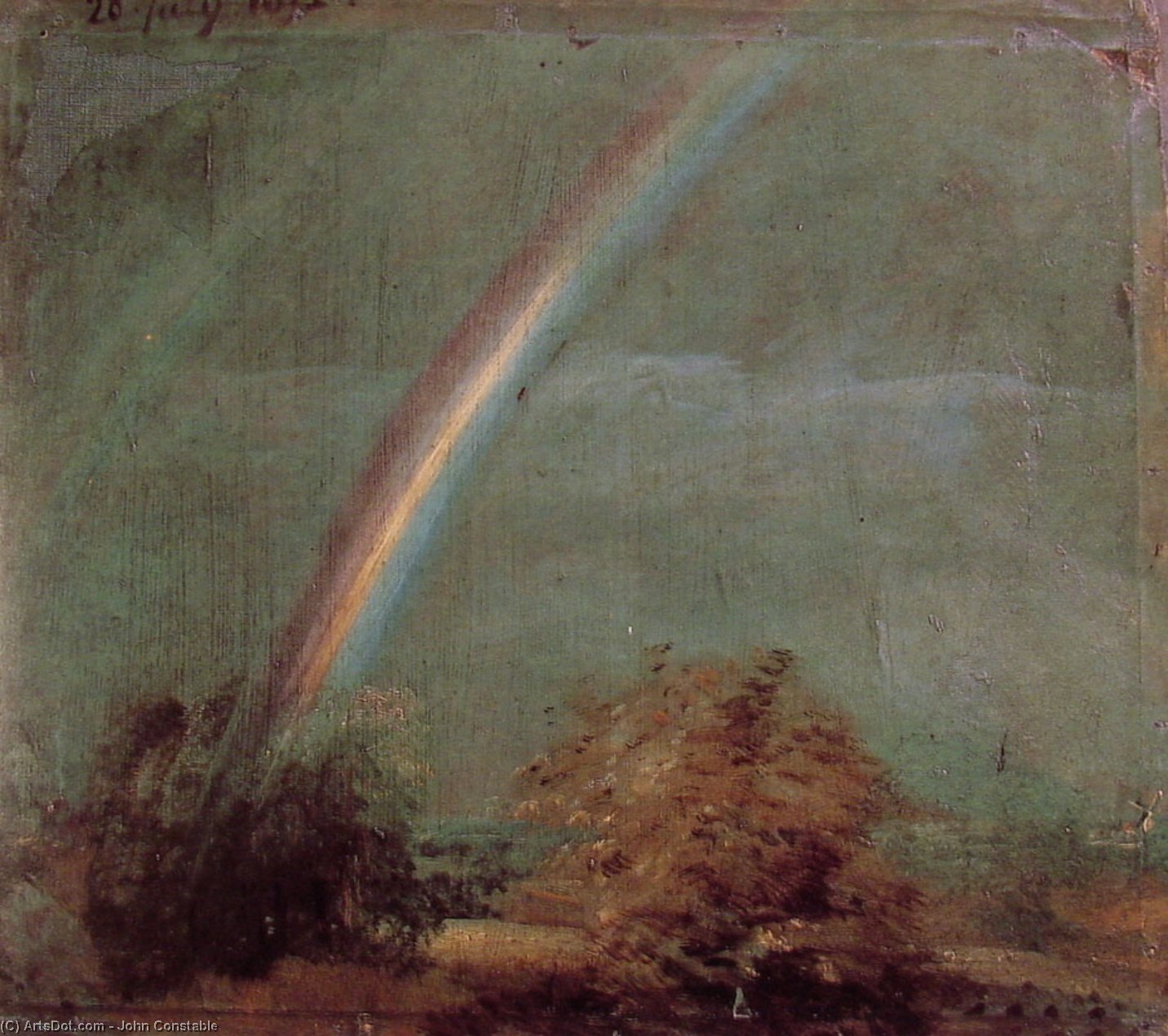
Landscape with a Double Rainbow

Experience the serene beauty of Constable's Landscape with a Double Rainbow – a Romantic masterpiece capturing ethereal light and hope through loose brushstrokes on canvas.

Descoperiți "Poarta Harnham, Salisbury", o capodopera impresionantă de John Constable! Admirați peisajul rural englezesc capturat cu emoție și lumină, un simbol al armoniei naturii și al vieții simple.

Achiziționați o imagine digitală îmbunătățită și de înaltă rezoluție, mult superioară previzualizării online.

Fiecare fișier este pregătit cu meticulozitate de specialiștii noștri interni, utilizând instrumente avansate și retușare manuală expertă. Ne asigurăm că fiecare imagine beneficiază de o claritate excepțională, o acuratețe precisă a culorilor și detalii fine.

Fișierul final este livrat prin e-mail în termen de 72 de ore, optimizat pentru utilizare imediată în medii profesionale, editoriale și de imprimare. Aceasta este aceeași calitate în care au încredere studiouri de design, edituri și galerii de top.

Imagine Digitală

Descărcați un fișier la rezoluție înaltă pentru afișare personală, imprimare și proiecte creative.

Preț total

$9.99

Inclus în fiecare comandă de imagini digitale

Livrare digitală de expertiză, garantată

Când alegeți WahooArt.com, nu primiți doar o simplă imagine – primiți o operă de artă digitală îmbunătățită profesional, creată cu precizie și susținută de o garanție de satisfacție. Iată tot ceea ce primești odată cu comanda ta, în mod automat:

shipping_icon
Livrare rapidă prin e-mail

Fișierul imaginii digitale la rezoluție înaltă vă va fi trimis prin e-mail în termen de 72 de ore de la finalizarea comenzii – gata pentru utilizare imediată.

canvas_icon
Fișier digital optimizat prin IA

Opera ta de artă este optimizată profesional prin intermediul unor instrumente AI avansate și al editării manuale, asigurând un nivel maxim de detalii, claritate și acuratețe a culorilor.

insurance_icon
Retransmitere gratuită pe viață

Ai șters sau ai pierdut din greșeală fișierul? Nu îți face griji – ți-l vom retrimite oricând, gratuit.

tax_icon
Fără taxe de import – Întotdeauna

Bucură-te instant de opera ta de artă, fără taxe vamale, taxe de import sau costuri de livrare – descărcările digitale sunt întotdeauna fără taxe.

color_icon
Garanția acurateței culorilor

Asigurăm că imaginea ta digitală reflectă culorile originale cât mai fidel posibil, utilizând instrumente profesionale și procese de gestionare a culorii.

return_icon
Garanție de satisfacție de 60 de zile

Dacă nu sunteți mulțumit de imaginea digitală achiziționată, o vom revizui sau vă vom returna 100% în termen de 60 de zile – fără nicio explicație necesară.

guarantee_icon
Garanție de returnare 100% a banilor

Nu ești mulțumit? Obține o rambursare completă în termen de 60 de zile de la primirea fișierului tău digital – fără întrebări.

discount_icon
Reduceri pentru comenzi multiple

Cumpără 3 imagini, economisește 10% - Cumpără 5, economisește 15% - Cumpără 10+, economisește 20%. Ideal pentru proiecte creative, galerii și agenții.

Informații rapide

  • Title: Landscape with a Double Rainbow
  • Subject or theme: Landscape
  • Dimensions: 33 x 38 cm
  • Notable elements or techniques: Loose brushwork; Impasto
  • Medium: Oil on Canvas
  • Artist: John Constable
  • Influences: Claude Lorrain

Test de cunoștințe despre artă

Fiecare întrebare are un singur răspuns corect.

Întrebare 1:
What artistic movement is Landscape with a Double Rainbow primarily associated with?
Întrebare 2:
The painting depicts a prominent feature of Constable’s style – what technique specifically?
Întrebare 3:
Who influenced John Constable's artistic vision and encouraged him to explore the expressive potential of landscape painting?
Întrebare 4:
What is the dominant mood conveyed by Landscape with a Double Rainbow?
Întrebare 5:
Considering Constable's background, where did he spend much of his formative years?

Descrierea obiectului de colecție

Landscape with a Double Rainbow – A Study in Romantic Light

John Constable’s Landscape with a Double Rainbow isn't merely a depiction of a picturesque vista; it’s a distillation of the Romantic spirit itself—a testament to the artist’s profound connection with the natural world and his ability to convey its sublime grandeur. Created in 1812, this unassuming canvas measuring 33 x 38 cm holds within it a wealth of artistic considerations that continue to resonate with viewers today. It represents more than just a beautiful scene; it embodies Constable’s pioneering approach to landscape painting and his unwavering belief in capturing the emotional essence of observation.

Composition and Light – Echoes of Lorrain

The painting's central focus is undeniably the dramatic arc of a double rainbow dominating the upper portion of the canvas. Constable skillfully employs this diagonal element not just as a visual anchor but also as a conduit for conveying mood—a symbol of hope emerging from turbulent skies. Beneath the rainbow, a cluster of trees punctuates the foreground on the right side, grounding the composition and providing a counterpoint to the expansive sky. Constable’s masterful manipulation of light is particularly noteworthy. Unlike the idealized landscapes favored by artists like Claude Lorrain, whose works often relied on theatrical lighting effects, Constable achieves a softer, more diffused illumination—a characteristic born from his meticulous study of natural conditions. This subtle interplay of light and shadow imbues the scene with an atmosphere of tranquility and invites contemplation.

Technique – Impressionistic Hints Amidst Romantic Depth

Constable’s technique leans toward Impressionism, albeit tempered by the broader Romantic aesthetic. Loose brushstrokes—evident throughout the painting—suggest an immediacy born from direct observation rather than laborious sketching or preparatory studies. The artist utilizes impasto in certain areas, particularly around the foliage, creating textural richness and enhancing the sense of volume. While Constable’s style prioritizes capturing the fleeting effects of light, he doesn't abandon Romantic ideals of grandeur and emotional resonance. Instead, he blends these elements seamlessly, resulting in a painting that feels both scientifically accurate and deeply felt.

Historical Context – Constable’s Vision Amidst Artistic Debate

Painted during a period of significant artistic debate regarding the role of emotion in art—a discussion fueled by figures like William Wordsworth and Samuel Taylor Coleridge—Landscape with a Double Rainbow stands apart as an exemplar of Constable's unwavering commitment to portraying nature truthfully. He rejected Lorrain’s calculated grandeur, favoring instead a more nuanced representation that captured the subtle nuances of rural life and the transformative power of natural beauty. Constable’s insistence on depicting landscapes as they appeared to the eye—rather than imposing idealized forms upon them—challenged prevailing artistic conventions and solidified his position as a champion of Romantic idealism.

Symbolism – Rainbows Beyond Beauty

Beyond its visual splendor, Landscape with a Double Rainbow carries symbolic weight. The rainbow itself has long been associated with divine promise and renewal—a reminder that even amidst hardship and uncertainty, beauty and hope endure. Constable’s painting invites viewers to consider not just what they see but also what it represents—a celebration of the natural world's capacity for inspiring awe and fostering contemplation. It serves as a poignant illustration of Constable’s belief that art should strive to capture not merely appearances but also the underlying spirit of existence.

Opere de artă similare


Biografie Artist

A Life Rooted in the English Landscape

John Constable, born in 1776 in the idyllic Suffolk village of East Bergholt, wasn’t merely a painter of landscapes; he was a poet of the land, translating its subtle moods and enduring beauty onto canvas with an unprecedented emotional depth. His father, a prosperous corn merchant who owned both Dedham Vale and mills along the River Stour, provided not only financial security but also the very subject matter that would define Constable’s artistic life. This early immersion in the rural world – the slow rhythm of agricultural life, the ever-changing light on fields and water, the intimate details of nature – became indelibly etched into his sensibility. While initially destined to follow his father into business, a burgeoning passion for art, nurtured by local patrons like George Beaumont who introduced him to the works of Claude Lorrain, ultimately steered him toward a different path. Constable’s artistic journey wasn't immediate; it was a gradual unfolding, shaped by careful observation and a persistent desire to capture not just *what* he saw, but *how* it felt to be present within the landscape.

Breaking with Convention: A New Vision of Nature

Constable’s artistic development was marked by a deliberate rejection of prevailing academic conventions. Dissatisfied with the idealized and often theatrical landscapes favored by the Royal Academy, he sought instead a truthful representation of nature, imbued with personal feeling. He wasn't interested in grand historical narratives or mythological scenes; his focus remained steadfastly on the familiar countryside surrounding him. This commitment to depicting ordinary subjects – hay wains, farm buildings, village life – was initially met with resistance from critics who deemed his work too commonplace and lacking in ambition. However, Constable persevered, driven by a conviction that beauty resided in the everyday. He pioneered a technique of *plein air* painting, venturing outdoors to directly observe and capture the fleeting effects of light and weather. This direct engagement with nature allowed him to infuse his canvases with an immediacy and vitality previously unseen in British landscape art. His brushwork became increasingly loose and expressive, employing impasto – thick layers of paint – to create texture and convey a sense of movement and atmosphere. He wasn’t simply recording what he saw; he was translating his emotional response to the land into visual form.

Iconic Works and Lasting Influence

Constable's most celebrated works stand as testaments to his unique vision. The Hay Wain (1821), perhaps his most recognizable painting, depicts a quintessential rural scene on the River Stour, capturing the tranquility and harmony of agricultural life. Hadleigh Castle (1829) showcases his dramatic use of light and atmospheric effects, transforming a crumbling ruin into a powerful symbol of time’s passage. The series of paintings depicting Salisbury Cathedral from the Meadows (1831) demonstrates his ability to evoke different moods and times of day, revealing the cathedral as an integral part of the natural landscape. Netley Abbey (1824), with its evocative depiction of architectural grandeur amidst encroaching nature, exemplifies his skill in blending human creation with the wild beauty of the countryside. Despite facing initial struggles for recognition in England, Constable achieved considerable acclaim in France, where his innovative techniques and emotional depth resonated deeply with artists seeking a more naturalistic approach to landscape painting. He profoundly influenced the Barbizon School, a group of French painters who shared his commitment to *plein air* painting and direct observation of nature.

Personal Life & Final Years

Constable’s personal life was marked by both joy and sorrow. He married Maria Bicknell in 1816, and they had seven children, though sadly several did not survive infancy. His marriage provided him with emotional support but also financial strain. Elected a Royal Academician in 1829, he continued to face criticism from some quarters, particularly regarding his unconventional techniques. His later years were shadowed by Maria’s declining health and eventual death in 1828, an event that deeply affected him. Despite these hardships, Constable remained dedicated to his art, continuing to paint until his own passing on March 31, 1837. He left behind a rich artistic legacy—a testament to his unwavering commitment to capturing the beauty and emotional resonance of the English countryside. His paintings remain powerful evocations of a bygone era, inviting viewers to experience the landscape through his uniquely sensitive eyes.

Influences & Artistic Development

Constable’s artistic journey was shaped by several key influences. Initially, he admired the works of Claude Lorrain, whose idealized landscapes provided him with a foundation in composition and color theory. However, he quickly moved beyond Lorrain's formal approach, seeking to capture the more dynamic and unpredictable qualities of nature. The work of Jacob Ruysdael, a Dutch master known for his atmospheric landscapes, also had a significant impact on Constable’s style. He was particularly drawn to Ruysdael’s ability to convey a sense of depth and distance through subtle variations in tone and color. Furthermore, Constable's exposure to the works of John Thomas Smith, a contemporary engraver who specialized in reproducing landscape paintings, helped him develop his observational skills and understanding of tonal values. His early training at the Royal Academy provided him with a basic knowledge of drawing and painting techniques, but it was through independent study and direct experience that Constable truly honed his artistic vision.

A Legacy of Emotional Resonance

John Constable’s historical significance lies not only in his artistic innovations but also in his profound impact on the development of landscape painting. He challenged academic conventions, elevated the status of ordinary subjects, and paved the way for a more personal and emotionally expressive approach to art. His emphasis on direct observation, atmospheric effects, and truthful representation of nature anticipated many of the concerns of later Impressionist painters. He demonstrated that landscape could be a vehicle for profound emotional expression, capable of evoking feelings of nostalgia, tranquility, and awe. Though he faced financial hardship throughout much of his career, and died relatively young in 1837, his legacy endures. Today, Constable is celebrated as one of Britain’s greatest artists, whose paintings continue to captivate audiences with their beauty, sincerity, and enduring power. His work serves as a poignant reminder of the profound connection between humanity and the natural world, and the transformative potential of art to capture its essence.
John Constable

John Constable

1776 - 1837 , Regatul Unit al Marii Britanii și Irlandei

Detalii rapide

  • Artistic Movement Or Style: Romanticism
  • Artists Or Movements Influenced By This Artist: ['Barbizon School']
  • Artists Who Influenced This Artist:
    • Claude Lorrain
    • Ruisdael
  • Date Of Birth: 11 iunie 1776
  • Date Of Death: 31 martie 1837
  • Full Name: John Constable
  • Nationality: Britanic
  • Notable Artworks:
    • The Hay Wain
    • Hadleigh
    • Salisbury
  • Place Of Birth: East Bergholt, UK