Vezi în context Previzualizare AR Comută pe versiunea Print Treci la imagine digitală Trimite
Detalii Ghidul Adaugă la favorite Descarcă Produse similare Radiografie Diaporama Statistici

Iarnă

Un maestru manierist al clarobscurului surprinde un înger într-un fundal întunecat. Adu frumusețea Renașterii în casa ta.

Descoperi măiestria lui Tintoretto (Jacopo Comin), un maestru venețian al Renașterii, renumit pentru compoziții dramatice, tehnica expresivă ('Il Furioso') și utilizarea inovatoare a luminii & perspectivei. Explorează operele sale iconice și moștenirea sa!

Reproducere pictată manual în ulei

Pictură în ulei pe pânză, realizată manual de artiștii noștri la dimensiunea și ramele dorite de dumneavoastră, pe comandă. ( Comută pe versiunea Print Treci la imagine digitală)

Corner sample of the P118B picture frame: polistiren turnat, 5 cm wide and 3 cm thick
P118B lei10
Corner sample of the P118H picture frame: polistiren turnat, 5 cm wide and 3 cm thick
P118H lei10
Corner sample of the P118W picture frame: polistiren turnat, 5 cm wide and 3 cm thick
P118W lei10
Corner sample of the P438Z picture frame: polistiren turnat, 5.5 cm wide and 3.5 cm thick
P438Z lei10
Corner sample of the P508JH picture frame: polistiren turnat, 7 cm wide and 3.5 cm thick
P508JH lei12
Corner sample of the P508YH picture frame: polistiren turnat, 7 cm wide and 3.5 cm thick
P508YH lei12
Corner sample of the P805H picture frame: polistiren turnat, 5 cm wide and 3.5 cm thick
P805H lei10
Corner sample of the P805Z picture frame: polistiren turnat, 5 cm wide and 3.5 cm thick
P805Z lei10
Corner sample of the P919BZ picture frame: polistiren turnat, 7 cm wide and 3.5 cm thick
P919BZ lei10
Corner sample of the P919G picture frame: polistiren turnat, 7 cm wide and 3.5 cm thick
P919G lei10
Corner sample of the P919XJ picture frame: polistiren turnat, 7 cm wide and 3.5 cm thick
P919XJ lei10
Corner sample of the P959ZH picture frame: polistiren turnat, 5 cm wide and 3 cm thick
P959ZH lei10
Corner sample of the P968JZ picture frame: polistiren turnat, 6 cm wide and 4 cm thick
P968JZ lei12
Corner sample of the W106C picture frame: lemn masiv, 5 cm wide and 3 cm thick
W106C lei8
Corner sample of the W218G picture frame: lemn masiv, 5 cm wide and 3 cm thick
W218G lei10
Corner sample of the W218JH picture frame: lemn masiv, 5 cm wide and 3 cm thick
W218JH lei8
Corner sample of the W218Y picture frame: lemn masiv, 5 cm wide and 3 cm thick
W218Y lei10
Corner sample of the W307PJ picture frame: lemn masiv, 6 cm wide and 3 cm thick
W307PJ lei10
Corner sample of the W316G picture frame: lemn masiv, 6 cm wide and 3 cm thick
W316G lei10
Corner sample of the W316PJ picture frame: lemn masiv, 6 cm wide and 3 cm thick
W316PJ lei8
Corner sample of the W316Y picture frame: lemn masiv, 6 cm wide and 3 cm thick
W316Y lei10
Corner sample of the W398PJ picture frame: lemn masiv, 5 cm wide and 3 cm thick
W398PJ lei8
Corner sample of the W4111J picture frame: lemn masiv, 6.5 cm wide and 3.5 cm thick
W4111J lei10
Corner sample of the W500HY picture frame: lemn masiv, 7 cm wide and 5 cm thick
W500HY lei15
Corner sample of the W500JH picture frame: lemn masiv, 7 cm wide and 5 cm thick
W500JH lei15
Corner sample of the W692G picture frame: lemn masiv, 8 cm wide and 4 cm thick
W692G lei12
Corner sample of the W849H picture frame: lemn masiv, 5 cm wide and 3 cm thick
W849H lei8
Corner sample of the W940BG picture frame: lemn masiv, 7.5 cm wide and 4.5 cm thick
W940BG lei15
Corner sample of the W953PJ picture frame: lemn masiv, 6 cm wide and 3.5 cm thick
W953PJ lei8

Dimensiuni standard
personalizat
CM
INCH

Alegeți dintre dimensiunile noastre prestabilite, care respectă proporțiile originale ale operei de artă.

lățime
înălțime

Introduceți lățimea și înălțimea de care aveți nevoie, pentru a se potrivi ramei sau peretelui dumneavoastră. Această lucrare este pictată manual, așa că pentru o dimensiune cu o formă diferită, artistul poate picta puțin mai mult în jurul imaginii sau poate tăia puțin din margini — dumneavoastră decideți. Vă vom trimite o simulare digitală pentru aprobare înainte de a începe pictarea. Imaginea afișată pe această pagină nu reprezintă rezultatul real — doar simularea este reprezentativă.

Exemple de elemente ce pot fi personalizate: Înlocuiți fața cu fotografia clientului; Adăugați un animal de companie (de exemplu, înlocuiți pisica cu un câine); Includeți un mesaj ascuns în fundal; Schimbați peisajul sau elementele din fundal.
După plasarea comenzii, echipa WahooArt.com va contacta clientul prin e-mail pentru instrucțiuni și îi va furniza o previzualizare a machetei

Livrare în întreaga lume () în 3-4 săptămâni, în loc de cele 5 săptămâni standard. (24 Octombrie). Fără compromisuri în ceea ce privește calitatea.

Livrare expres gratuită la nivel mondial
Pânză de in premium
Asigurare completă pentru transport
Garanție de rambursare a taxelor vamale
Garanția fidelității culorilor
Politica de retur în 100 de zile (doar pentru defecte)
Garanție de rambursare 100%
Reducere pentru comenzi multiple

Preț total

lei 1262

Iarnă

Tip de reproducere

Dimensiune reproducere

-

Preț total

lei 1262

Detalii rapide

  • Medium: Ulei pe pânză
  • Artist: Jacopo Tintoretto
  • Dimensions: 90 x 90 cm
  • Notable elements or techniques: Chiaroscuro
  • Subject or theme: Inocență și puritate
  • Title: Iarnă

Chestionar de artă

Fiecare întrebare are un singur răspuns corect.

Întrebare 1:
Care este tehnica principală utilizată de Tintoretto în Iarnă?
Întrebare 2:
Unde este păstrată pictură Iarnă?
Întrebare 3:
Ce transmite postura îngerului în Iarnă?
Întrebare 4:
Iarnă face parte dintr-o serie care înfățișează care anotimpuri?
Întrebare 5:
Care este semnificația utilizării luminii și a întunericului de către Tintoretto în Iarnă?

Strălucirea din mijlocul umbrelor

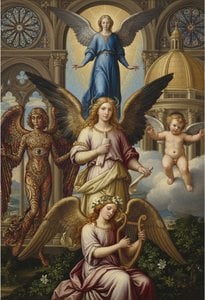
În liniștea profundă a opertii Iarnă de Jacopo Tintoretto, o prezență singulară și luminoasă emerge dintr-un abis de întuneric. Privitorul este întâmpinat imediat de imaginea unui înger bebeluș delicat, al cărui piele palidă, de porțelan, acționează ca un far în fața unui vid de umbre adânci și catifelate. Acest contrast izbitor nu este doar o trucaj vizual, ci o lecție magistrală de chiaroscuro, tehnica ce a definit erele Barocului venețian și ale Manierismului. Copilul stă cuplat pe pământ, cu mâinile împreunate într-un gest de liniștită contemplare, în timp ce aripile sunt întinse ușor în ambele părți, sugerând un moment de odihnă într-o lume vastă și nevăzută. Există aici un sentiment incontestabil de puritate și vulnerabilitate, o privire trecătoare asupra inocenței capturate sub greutatea atmosferică a întunericului înconjurător.

Pensula energică a lui Il Furioso

Pentru a înțelege sufletul acestei lucrări, trebuie să privim către omul din spatele pensulei. Jacopo Tintoretto, despre care se șoptește adesea în istoria artei sub numele de Il Furiozo, a adus pe pânză o energie fără precedent, aproape neliniștită. Spre deosebire de tranzițiile mai rafinate și graduale observate în operele contemporanilor săi, mâna lui Tintoretto se simte în fiecare pensată rapidă și decisivă. În Iarnă, această tehnică se manifestă printr-o textură palpabilă care insuflă viață formei îngerului. Modul în care lumina dansează pe curbele moi ale corpului copilului reflectă abilitatea sa legendară de a manipula lumina și umbra pentru a crea dramă. Această piesă, datând aproximativ din anul 1564, îl prezintă pe artist în apogeul puterii sale, utilizând tensiunea dintre carnea albă și strălucitoare și întunericul ce înaintează pentru a spune o poveste despre viața care persistă în mijlocul frigului.

O adăugare evocatoare unui spațiu curat

Pentru colecționarul exigent sau designerul de interior, Iarnă oferă mai mult decât o simplă semnificație istorică; ea oferă o ancoră emoțională pentru orice mediu sofisticat. Compoziția picturii — centrată, echilibrată, dar intens dramatică — îi permite să atragă atenția fără a copleși o încăpere. Paleta sa de negru profund și alb strălucitor se integrează superb în decorurile moderne, minimaliste sau clasice, acționând ca un punct focal care invită la introspecție și conversație.

  • Rezonanță emoțională: Piesa evocă un sentiment profund de pace și ușurință spirituală în mijlocul complexității.
  • <Estetică versatilă: Chiaroscuro-ul său dramatic completează atât galeriile de artă contemporană, cât și studiile tradiționale, bogate în texturi.
  • <Atract atemporal: O reproducere de înaltă calitate a acestei capodopere aduce măreția și drama Renașterii venețiene direct în inima căminului modern.

Întrebări și răspunsuri

Ce nivel de contrast prezintă "Iarnă" de Tintoretto?

Nivelul de contrast al operei "Iarnă" de Tintoretto este Declarație.

Cum a fost realizată „Iarnă” și ce dimensiuni are?

"Iarnă" a fost realizat în Ulei și măsoară 90 x 90 cm în forma sa originală.

Ce paletă și ce sentiment combină "Iarnă"?

Paleta Naturale și pământii a operei "Iarnă" de Tintoretto se armonizează cu tonul său Dramatizat. Culoarea este una dintre modalitățile prin care o lucrare transmite emoție.


Biografie artist

A Venetian Master of Drama and Light

Jacopo Tintoretto, born Jacopo Robusti in Venice around 1518, remains one of the most compelling and enigmatic figures of the High Renaissance and early Baroque periods. His very nickname, “Tintoretto” – little dyer – speaks to his family’s trade, yet it belies the immense artistry that would distinguish him from all others. Unlike many artists who benefited from structured apprenticeships, Tintoretto's path was largely self-directed, fueled by an insatiable curiosity and a relentless drive for innovation. While accounts suggest a brief and unsuccessful stint under Titian, the acknowledged master of Venetian colorism, it seems the experience proved more contentious than formative. Titian’s alleged dismissal of the young Jacopo – whether due to jealousy or artistic disagreement – spurred Tintoretto toward an independent course, one characterized by audacious experimentation and a uniquely dynamic style. He immersed himself in anatomical study, reportedly through dissection, and honed his skills by meticulously copying classical sculpture and the works of other masters. This dedication laid the foundation for a career that would redefine Venetian painting.

Forging a Distinctive Style: *Il Furioso*

Tintoretto’s artistic development was marked by an almost feverish energy, earning him another evocative nickname: *Il Furioso* – “the Furious One.” This moniker wasn't merely descriptive of his working pace but also captured the intensity and emotional charge that permeated his canvases. His early works already hinted at a departure from traditional Venetian conventions. While acknowledging Titian’s influence in color, Tintoretto gravitated towards Michelangelo’s powerful figures and dramatic compositions. He synthesized these influences into something entirely new: a style characterized by elongated forms, swirling draperies, and an innovative use of perspective that often created a sense of dizzying depth and movement. He abandoned the meticulous finish favored by his contemporaries, opting instead for a rapid, almost sketch-like brushstroke that conveyed immediacy and raw emotion. This technique, combined with his masterful manipulation of light and shadow – *chiaroscuro* – allowed him to create scenes of unparalleled drama and psychological intensity. He wasn’t simply depicting events; he was conveying their emotional core. His compositions were often dynamic and asymmetrical, defying the balanced arrangements typical of earlier Renaissance art.

Monumental Achievements: San Rocco and Beyond

Tintoretto's prodigious output spanned decades, encompassing religious narratives, historical allegories, and portraits. However, his most significant achievement lies in the cycle of paintings he created for the Scuola Grande di San Rocco, a Venetian confraternity dedicated to Saint Roch. Over a period of more than fifty years, Tintoretto adorned the Scuola’s halls with over sixty canvases, transforming it into a breathtaking visual testament to faith and human experience. Works like “The Last Supper,” completed late in his life, demonstrate his continued experimentation with perspective and composition. Departing from traditional depictions, Tintoretto placed the scene in a dramatically lit, architecturally unstable space, emphasizing the emotional turmoil of Christ’s final meal with his disciples. Other notable works include “The Miracle of St Mark Freeing the Slave,” a powerful display of dynamic composition and foreshortening, and numerous paintings for Venetian churches and palaces that showcase his mastery of scale and narrative storytelling. These monumental projects cemented Tintoretto's reputation as one of Venice’s most important artists.

Influences and Artistic Connections

Tintoretto’s artistic journey was shaped by a complex interplay of influences. While deeply indebted to Titian for his understanding of color, he also drew inspiration from the dynamism of Michelangelo, evident in the powerful musculature and dramatic gestures of his figures. The influence of classical sculpture is palpable in the idealized forms and carefully rendered draperies that characterize many of his works. Furthermore, Tintoretto’s studio was a hub of artistic exchange, attracting students and collaborators such as Paolo Veronese and Domenico Robusti (Tintoretto's son), who continued to develop and expand upon his innovative style. The rivalry with Titian, fueled by professional jealousy and differing aesthetic philosophies, undoubtedly spurred Tintoretto toward greater independence and experimentation. His work reflects a synthesis of these diverse influences, resulting in a uniquely Venetian style that pushed the boundaries of artistic expression.

Legacy and Historical Significance

Jacopo Tintoretto died in Venice in 1594, leaving behind a vast and influential body of work. He bridged the gap between the High Renaissance and the Baroque period, anticipating many of the stylistic innovations that would define the latter. His dramatic compositions, expressive brushwork, and innovative use of light and shadow profoundly influenced artists such as Caravaggio, Rembrandt, and Delacroix. He wasn’t merely a painter; he was a visual storyteller who understood how to harness the power of art to evoke emotion and inspire awe. As one of the three great Venetian painters of the 16th century – alongside Titian and Paolo Veronese – Tintoretto played a crucial role in shaping the artistic landscape of Venice during its golden age. His work reflects not only the religious fervor and political tensions of his time but also a uniquely personal vision that continues to resonate with audiences today, solidifying his place as one of history’s most important and captivating artists. His legacy is a testament to the enduring power of artistic innovation and the transformative potential of human creativity.
Tintoretto

Tintoretto

1518 - 1594 , Italia

Informații rapide

  • Artistic Movement Or Style: Renaștere, Mannerism
  • Artists Or Movements Influenced By This Artist:
    • Caravaggio
    • Baroc
  • Artists Who Influenced This Artist:
    • Titian
    • Michelangelo
  • Date Of Birth: 1518
  • Date Of Death: 1594
  • Full Name: Jacopo Comin zis Tintoretto
  • Nationality: Italian
  • Notable Artworks:
    • Miracolo S. Marco
    • Ultima Cina
    • Assunzione Vergine
  • Place Of Birth: Venetia, Italia
Explorați opere de artă organizate pe teme, stiluri și caracteristici.