
CONSULTAȚIE GRATUITĂ ÎN ARTE VIZUALE


x


 Comandă reproducere pictată Cumpără imaginea
 Trimite
 Details
 Adaugă la favorite
 Descarcă
 Similare
 X-Ray
X-Ray
 Diaporama
Print giclée sau pe canvas de calitate muzeală, cu producție rapidă și opțiuni flexibile de finisare.





























Alegeți dintre dimensiunile noastre prestabilite, care respectă proporțiile originale ale operei de artă.

Puteți introduce propriile dimensiuni pentru a se potrivi unui anumit cadru sau spațiu. Dacă dimensiunea selectată nu corespunde proporțiilor imaginii originale, vom decupa lucrarea de artă sau vom extinde imaginea cu margini oglindite sau cu o culoare uniformă. Un mockup digital va fi trimis pentru aprobarea dumneavoastră înainte de începerea producției.
Vă rugăm să rețineți că previzualizarea de pe ecran nu reflectă decuparea sau extinderea reală. Doar mockup-ul va arăta cu exactitate compoziția finală.
Deși dimensiunile personalizate sunt disponibile, vă recomandăm să selectați o dimensiune din lista predefinită pentru a păstra proporțiile originale.
Livrare în întreaga lume () în 2 săptămâni, în loc de cele 4/5 săptămâni standard. (1 Iulie)


Adorarea Pastorilor
Dimensiune reproducere


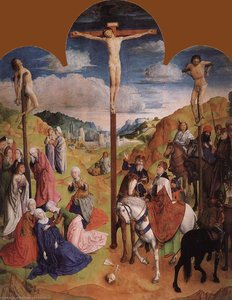


1440 - 1482 , Belgia

Explore the revolutionary art of Hugo van der Goes – a master of Early Netherlandish painting renowned for his dramatic realism, psychological depth & profound influence on Renaissance artists. Discover his iconic works and lasting legacy.

Explore the revolutionary art of Jan van Eyck! Discover his groundbreaking oil painting techniques, hidden symbolism, and lasting impact on the Early Netherlandish Renaissance. A deep dive for art enthusiasts.
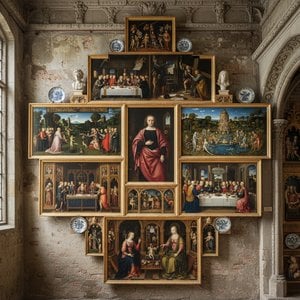
Descoperiți 10 capodopere ale Renașterii Netherlandeze timpurii! Jan van Eyck, Robert Campin și alți maeștri. Reproduceri de tablouri de lux pentru un decor artistic unic. Explorează colecția completă pe WahooArt.com
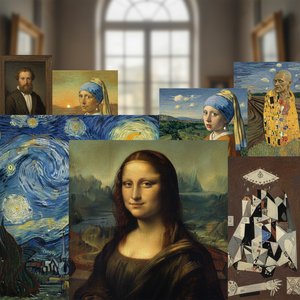
Descoperă Top 10 capodopere în ulei care au revoluționat arta! Explorează poveștile lui Leonardo da Vinci, Van Gogh, Monet și alți artiști legendari. Reproduceri de tablouri de calitate muzeală pentru decorul perfect. Descoperă toate operele pe WahooArt.com

Descoperă 10 capodopere uluitoare pe lemn de la Van Eyck, Botticelli și Rembrandt! Explorează istoria, tehnicile și culorile vibrante ale picturii clasice. Reproduceri de artă de calitate muzeală pentru un decor rafinat. Descoperă toate operele pe WahooArt.com


Rămâneți la curent cu cele mai recente știri din lumea artei, ofertele noastre exclusive și ideile de decor.
Spuneți-ne despre proiectul dumneavoastră, iar experții noștri în artă vă vor oferi 3 sugestii personalizate.
Vom selecta 3 opțiuni special pentru tine – Gratuit!
 Distribuie


 Citește mai mult






 Opțiunea cu sticlă este disponibilă doar pentru dimensiuni de sub 110 cm


