Printuri pe canvas și artă fină de la lei239 pentru 33 x 30 cm
Reproducere pictată manual în ulei de la lei970
Printuri giclée sau pe canvas de calitate muzeală, cu proces de producție rapid și opțiuni flexibile de finisare. ( Pictură în ulei pe pânză Imagine digitală
)
Varianta noastră economică: aceeași imagine imprimată pe o pânză de poliester de 260 g/m² în loc de bumbac, livrată rulată într-un tub prin poșta obișnuită în 3 până la 4 săptămâni. Doar rulată (fără întindere pe șasiu, fără ramă) și fără producție urgentă, pentru dimensiuni cu cel puțin o latură de 80 cm sau mai puțin. Cu aproximativ 30% mai ieftină decât printul pe pânză de bumbac.
Nu este disponibil pentru această dimensiune: cel puțin o latură trebuie să aibă 80 cm sau mai puțin.
Doar rulat: alege varianta rulată în tub pentru a selecta această tipografie.
Disponibil pentru dimensiuni cu ambele laturi de maximum 110 cm. Pentru dimensiuni mai mari, printul este realizat pe pânză de bumbac mată.
Amprenta pe canvas mat de conservare nu este disponibilă pentru această dimensiune: ambele laturi trebuie să aibă 110 cm sau mai puțin. Amprenta dumneavoastră va fi realizată pe canvas din bumbac mat.
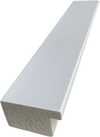
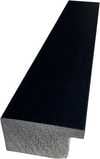
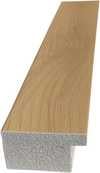
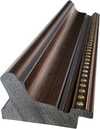
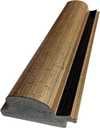
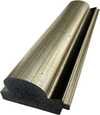
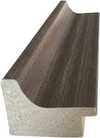
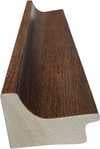
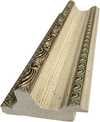
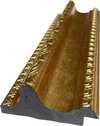
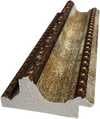
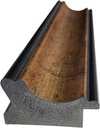
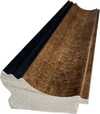
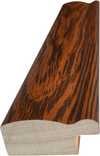
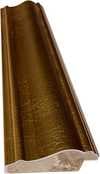
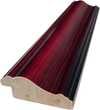
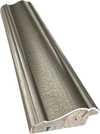
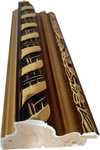
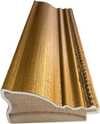
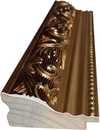
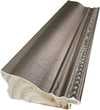
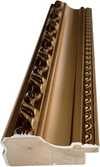
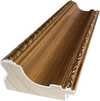
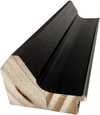
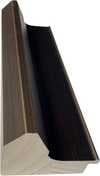
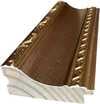
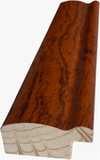
Alegeți dintre dimensiunile noastre prestabilite, care respectă proporțiile originale ale operei de artă.

Introduceți lățimea și înălțimea necesare pentru a se potrivi ramei sau peretelui dumneavoastră. O printare poate fi doar tăiată, niciodată extinsă dincolo de dimensiunea imaginii originale, astfel încât o dimensiune cu o formă diferită va pierde o parte din imagine. Vă trimitem o simulare digitală pentru aprobare înainte de a imprima orice. Imaginea afișată pe această pagină nu prezintă tăierea reală — doar simularea arată acest lucru.
Livrare în întreaga lume () în 2 săptămâni, în loc de cele 4/5 săptămâni standard. (27 Decembrie)
Producția urgentă și livrarea prin curier rapid nu sunt disponibile pentru tipul de print poly-canvas Economy, care este expediat prin poșta obișnuită.
Head constructor
Dimensiune reproducere
Livrare la nivel mondial () prin poșta obișnuită în 3 până la 4 săptămâni. (27 Decembrie)
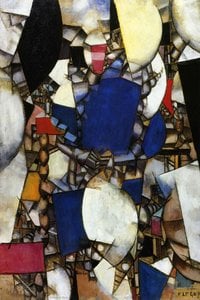
Fernand Léger’s “Head Constructor,” painted in 1950, isn't merely a portrait; it’s a distilled essence of the burgeoning modernity that gripped Europe after World War I. This striking monochrome work, rendered in a bold and assertive Cubist style, immediately commands attention with its stark contrast between the solid black outlines and the pristine white background – a deliberate choice that emphasizes the geometric forms at the heart of Léger's vision. The image presents a stylized human head, partially obscured by a simple hat or cap, a subtle detail hinting at a profession or perhaps even anonymity within the rapidly changing urban landscape.
Léger’s approach to Cubism wasn’t about deconstructing reality into an abstract puzzle; rather, he sought to integrate the dynamism and structure of the machine age directly into his representation of the human figure. He viewed industrialization not as a destructive force but as a new form of beauty – one characterized by clean lines, precise angles, and a sense of mechanical order. This is powerfully evident in “Head Constructor,” where the head itself is broken down into a series of interlocking squares, rectangles, and triangles—a deliberate rejection of traditional perspective and a celebration of geometric abstraction. The work feels less like a depiction of an individual and more like a schematic diagram, a blueprint for a new kind of human being shaped by the tools and technologies of his time.
To understand “Head Constructor,” it's crucial to grasp the principles of Cubism as Léger embraced them. Unlike Picasso and Braque, who initially focused on dismantling objects into fragmented planes, Léger retained a sense of volume and three-dimensionality within his compositions. He didn’t entirely abandon representation; instead, he simplified forms to their most essential geometric components, creating an effect that is both abstract and strangely familiar. The thick black lines defining the head, hat, and facial features aren't delicate or subtle—they are assertive and deliberate, conveying a sense of construction and engineering. This bold use of line is characteristic of Léger’s style, which he termed “Tubism,” referencing his fascination with cylindrical forms – a visual echo of the pipes and machinery that dominated the industrial world.
The choice of monochrome—black lines on white—further amplifies this sense of construction. It eliminates any distractions from color, forcing the viewer to focus entirely on the interplay of shapes and lines. This deliberate austerity reflects Léger’s desire to strip away sentimentality and emotionalism, presenting a purely rational and objective view of the human figure. The work evokes a feeling of detachment, almost as if we are observing a machine rather than a person—a powerful statement about the increasing mechanization of modern life.
The title itself, “Head Constructor,” offers valuable insight into Léger’s intentions. He was deeply interested in the role of labor and industry in shaping society, and he saw the construction worker as a symbol of progress and innovation. The hat or cap worn by the figure could be interpreted as a uniform—a badge of membership within this new industrial order. The overall effect is one of both celebration and unease; Léger acknowledges the beauty and efficiency of modern technology but also hints at its potential to dehumanize individuals.
“Head Constructor” isn’t simply a depiction of a head; it's a meditation on the nature of humanity in an age of rapid technological change. It’s a work that continues to resonate today, prompting us to consider our relationship with machines and the evolving definition of what it means to be human.
Tipărit: Head constructor este reprodus sub formă de print giclée pe pânză de bumbac sau pe hârtie de pânză arhivistică Epson.
Dimensiunile originalului sunt 50 x 45 cm. Dimensiunile variază de la 33.2 x 30.1 cm (lei239) la 248.1 x 224.6 cm (lei2452); tabelul de pe această pagină prezintă principalele variante de dimensiuni și prețurile acestora.
Printurile rulate în tub sunt trimise gratuit prin poșta obișnuită și ajung în 3-4 săptămâni; printurile întinse pe șasiu sau înramate necesită 4-5 săptămâni. Livrarea prin curier rapid este disponibilă doar prin opțiunea de Livrare Express, contra cost, oferită pe această pagină. Puteți returna produsul în termen de 100 de zile pentru rambursarea integrală, fără nicio condiție.
Oil On Canvas
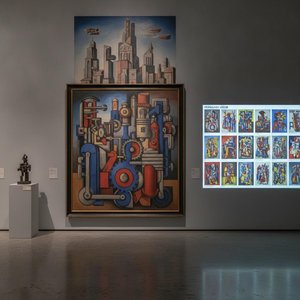
Tubism emerged as a visual response to the industrial pulse of Paris. How did Léger transform the organic textures of Normandy into steel-and-glass geometry?

In 1919, Fernand Léger painted The City, breaking the urban landscape into a vibrant arrangement of cylinders and bold geometric planes.

Fernand Léger painted Dance in 1942 and The Accordion in 1926. Examine 10 works by Léger, Paul Klee, and Charles Delorme.

 Previzualizare

 Trimite prin felicitare
 Distribuie
 Detalii despre lucrare
 Fișă informativă


 Descarcă imaginea
 Produse similare
 Radiografie
 Galerie foto
 Întrebări și răspunsuri

 Statistici


 Descrierea completă a Head constructor
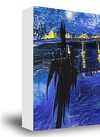



 Opțiunea cu sticlă este disponibilă doar pentru dimensiuni de sub 110 cm