CONSULTAȚIE GRATUITĂ ÎN ARTE VIZUALE

x
Comandă tipăritul Comandă tipăritulCumpără imaginea Cumpără imaginea TrimiteTrimite
DetailsDetails Adaugă la favorite Adaugă la favorite DescarcăDescarcă SimilareSimilare X-RayX-Ray DiaporamaDiaporama

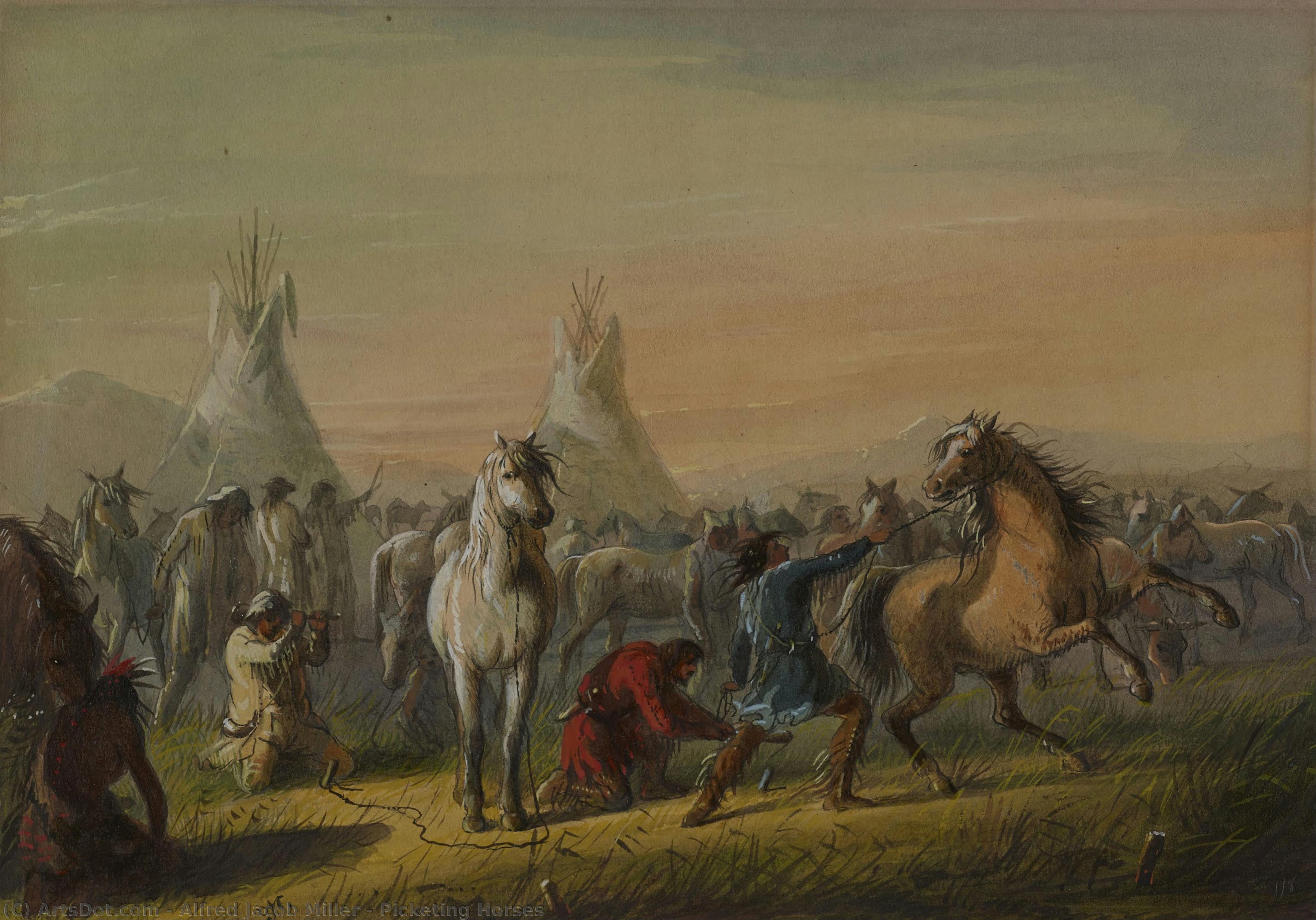
Picketing Horses

Explore Alfred Jacob Miller’s ‘Picketing Horses,’ a 1860 oil painting depicting Native American life & frontier conflict. Romantic realism meets dynamic composition – a captivating glimpse into the past.

Descoperă Alfred Jacob Miller (1810-1874), artistul american care a surprins în mod autentic spiritul comerțului cu pielițe și cultura indianilor nordamericani prin realism impresionant și romantism emoționant. În operele sale emblematice precum „Lacul său singur se întinde spre cer” și „Scena unei tabere Sioux”, Miller a reușit să ofere o perspectivă unică asupra unui trecut fascinant și importan

Reproducere manuală în ulei

Pictură în ulei pe pânză, pictată manual, la dimensiunea și ramele dorite de dumneavoastră, realizată la comandă de artiștii noștri.


P118B $10
P118H $10
P118W $10
P438Z $10
P508JH $12
P508YH $12
P805H $10
P805Z $10
P919BZ $10
P919G $10
P919XJ $10
P959ZH $10
P968JZ $12
W106C $8
W218G $10
W218JH $8
W218Y $10
W307PJ $10
W316G $10
W316PJ $8
W316Y $10
W398PJ $8
W4111J $10
W500HY $15
W500JH $15
W692G $12
W849H $8
W940BG $15
W953PJ $8

Standard
custom
CM
INCH

Alegeți dintre dimensiunile noastre prestabilite, care respectă proporțiile originale ale operei de artă.

lățime
înălțime

Puteți introduce propriile dimensiuni pentru a se potrivi unui anumit cadru sau spațiu. Dacă dimensiunea selectată nu corespunde proporțiilor imaginii originale, vom decupa opera de artă sau vom extinde pictura cu elemente suplimentare pictate manual. O simulare digitală vă va fi trimisă pentru aprobare înainte de începerea producției.
Vă rugăm să rețineți că previzualizarea de pe ecran nu reflectă decuparea sau extinderea reală. Doar macheta va arăta cu exactitate compoziția finală.
Deși sunt disponibile dimensiuni personalizate, vă recomandăm să selectați o dimensiune din lista predefinită pentru a păstra proporțiile originale.

Exemple de elemente ce pot fi modificate: Înlocuiți fața cu fotografia clientului; Adăugați un animal de companie (de exemplu, înlocuiți pisica cu un câine); Includeți un mesaj ascuns în fundal; Schimbați peisajul sau elementele din fundal.
După plasarea comenzii, echipa WahooArt.com va trimite clientului instrucțiuni prin e-mail și îi va furniza o previzualizare a machetei

Livrare în întreaga lume () în 3/4 săptămâni, în loc de cele 5 săptămâni standard. (1 Iulie). Fără compromisuri în ceea ce privește calitatea.

why_choose_icon
Livrare expres gratuită la nivel mondial
why_choose_icon
Pânză de in de înaltă calitate
why_choose_icon
Asigurare completă pentru transport
why_choose_icon
Garanție de rambursare a taxelor vamale
why_choose_icon
Garanția fidelității culorilor
why_choose_icon
Politica de retur de 60 de zile (doar pentru defecte)
why_choose_icon
Garanție 100% de rambursare
why_choose_icon
Reducere la comenzi multiple

Preț total

-

reproduction

Picketing Horses

Tehnică de reproducere

Dimensiune reproducere

-

Preț total calculat

-

Opere de artă similare


Biografie artist

A Pioneer of the American West

Alfred Jacob Miller, born in Baltimore in 1810, occupies a unique and vital position in the narrative of American art. He wasn’t merely a painter of landscapes or portraits; he was a visual chronicler of a vanishing world – the fur trade era of the Rocky Mountains and the lives of the Native American tribes who inhabited them. His journey to artistic recognition was unconventional, beginning not with formal academic training but with an innate talent nurtured by early exposure to artists like Thomas Sully. While attending John D. Craig’s Academy in Baltimore, Miller's education lacked a dedicated art curriculum, yet this absence perhaps fostered a distinctive style that would later set him apart. A pivotal period followed when he journeyed to Paris in 1832, immersing himself in the rigorous study of life drawing at the École des Beaux-Arts and absorbing the artistic traditions of Europe. This foundational experience honed his observational skills and provided a technical base upon which he would build his uniquely American vision.

The Transformative Expedition

Miller’s career took an extraordinary turn in 1837, when fate – or perhaps artistic destiny – intervened in the form of Sir William Drummond Stewart, a Scottish aristocrat with a passion for the untamed West. Stewart commissioned Miller to accompany him on a hunting expedition into the heart of the Rocky Mountains, tasking him with documenting the landscapes and cultures encountered along the way. This wasn’t simply an assignment; it was an immersion into a world few Americans, let alone artists, had ever witnessed. For months, Miller meticulously sketched scenes of Native American life – the Sioux, Crow, Shoshone, and others – capturing their customs, clothing, rituals, and interactions with trappers and traders. He recorded the rugged beauty of the terrain, the drama of hunts, and the quiet moments of daily existence on the frontier. These weren’t romanticized depictions intended to glorify the West; they were honest observations imbued with a sensitivity that distinguished Miller's work from much of his contemporaries’. Upon returning to New Orleans, he transformed these sketches into a series of paintings that would establish his reputation as a significant figure in American art, offering an invaluable glimpse into a world on the cusp of irreversible change.

Style and Artistic Legacy

Miller’s artistic style is characterized by a compelling blend of realism and romanticism. He possessed a remarkable ability to render details with precision – the intricate beadwork on Native American garments, the texture of animal hides, the subtle nuances of light across the landscape. Yet, his paintings are far from mere photographic representations. They possess a dramatic flair, an atmospheric quality that evokes the spirit of adventure and the grandeur of the West. He wasn’t afraid to imbue his scenes with a sense of narrative, capturing moments of tension, camaraderie, or quiet contemplation. Works like The Lake Her Lone Bosom Expands, Camp Scene (Sioux), Big Bowl (A Crow Chief), and Snake Indians Shooting Elk exemplify this approach – each painting tells a story, inviting the viewer to step into the world Miller so vividly portrayed. His watercolors, in particular, demonstrate a mastery of color and light, creating an ethereal quality that enhances the emotional impact of his scenes. The majority of these significant works now reside within the esteemed collection of the Walters Art Museum in Baltimore, serving as enduring testaments to his artistic vision.

Influences and Artistic Development

Miller’s formative years were marked by exposure to influential artists such as Thomas Sully, whose portraits demonstrated a masterful command of technique and psychological insight. Recognizing the importance of formal training, he enrolled at John D. Craig’s Academy in Baltimore where he honed his skills in drawing and painting—though without a dedicated art curriculum, this experience nonetheless fostered a distinctive aesthetic sensibility. His subsequent journey to Paris in 1832 proved pivotal, propelling him into the orbit of European artistic traditions. At the École des Beaux-Arts, Miller diligently studied life drawing alongside luminaries like Horace Vernet, absorbing the lessons of classical sculpture and mastering the techniques of chiaroscuro—a stylistic hallmark that would define his oeuvre. This grounding in European art profoundly shaped his vision, informing his approach to landscape painting and establishing him as a champion of Romantic idealism.

Major Achievements and Recognition

Miller’s most celebrated achievement was undoubtedly his expedition with Sir William Drummond Stewart into the Rocky Mountains. During this transformative journey—spanning from 1837 to 1838—he produced approximately 200 sketches and watercolors documenting the landscapes and cultures of the region, capturing scenes of Native American life with unparalleled detail and sensitivity. These works stand as invaluable historical records, offering a rare glimpse into the frontier experience and cementing Miller’s reputation as one of America's foremost artists of his time. His paintings—including The Lake Her Lone Bosom Expands, Camp Scene (Sioux), Big Bowl (A Crow Chief), Snake Indians Shooting Elk—are now housed in prominent museums across the United States and Europe, ensuring that Miller’s artistic legacy continues to inspire generations of artists. ## Historical Significance Alfred Jacob Miller's contribution to American art history transcends mere stylistic innovation; he represents a crucial step forward in documenting and interpreting the complexities of the American West during its formative years. His unflinching portrayal of Native American life—characterized by meticulous observation and empathetic understanding—challenged prevailing stereotypes and fostered a deeper appreciation for indigenous cultures. As one of the earliest artists to capture the spirit of the frontier, Miller's work serves as an enduring reminder of the importance of preserving cultural heritage and confronting historical narratives with honesty and nuance. His legacy continues to resonate today, securing his place among the most significant figures in 19th-century American art.
Alfred Jacob Miller

Alfred Jacob Miller

1810 - 1874 , SUA

Detalii rapide

  • Artistic Movement Or Style: Realism și Romanticism
  • Artists Who Influenced This Artist:
    • Thomas Sully
    • Horace Vernet
  • Date Of Birth: 2 ianuarie 1810
  • Date Of Death: 1874
  • Full Name: Alfred Jacob Miller
  • Nationality: American
  • Notable Artworks:
    • Lacul său singur se întinde spre cer
    • Scenă de camp (Sioux)
    • Cerșetor mare (Șeful unui trib Crow)
    • Argali - Lupă mare montană
    • Indieni șamani împușcând elii
    • Triburi Shoshone și ponei sălbatic
  • Place Of Birth: Baltimore, SUA
Explorați opere de artă organizate pe teme, stiluri și caracteristici.