Explore a revolução de Lucio Fontana (1899-1968), fundador do Espacialismo! Descubra suas icônicas telas rasgadas e esculturas abstratas pioneiras que redefiniram a arte moderna.
Andrea Brustolon (1662-1732) was a master Italian Baroque sculptor renowned for his lavishly carved wood furnishings & devotional art. Explore his dynamic sculptures, inspired by Bernini, featuring allegorical figures, blackamoor motifs, and intricat
Descubra Melozzo da Forlì (1438-1494), mestre do Renascimento na perspectiva e escorço! Explore seus afrescos, sua influência sobre Rafael e Mantegna e seu estilo inovador.
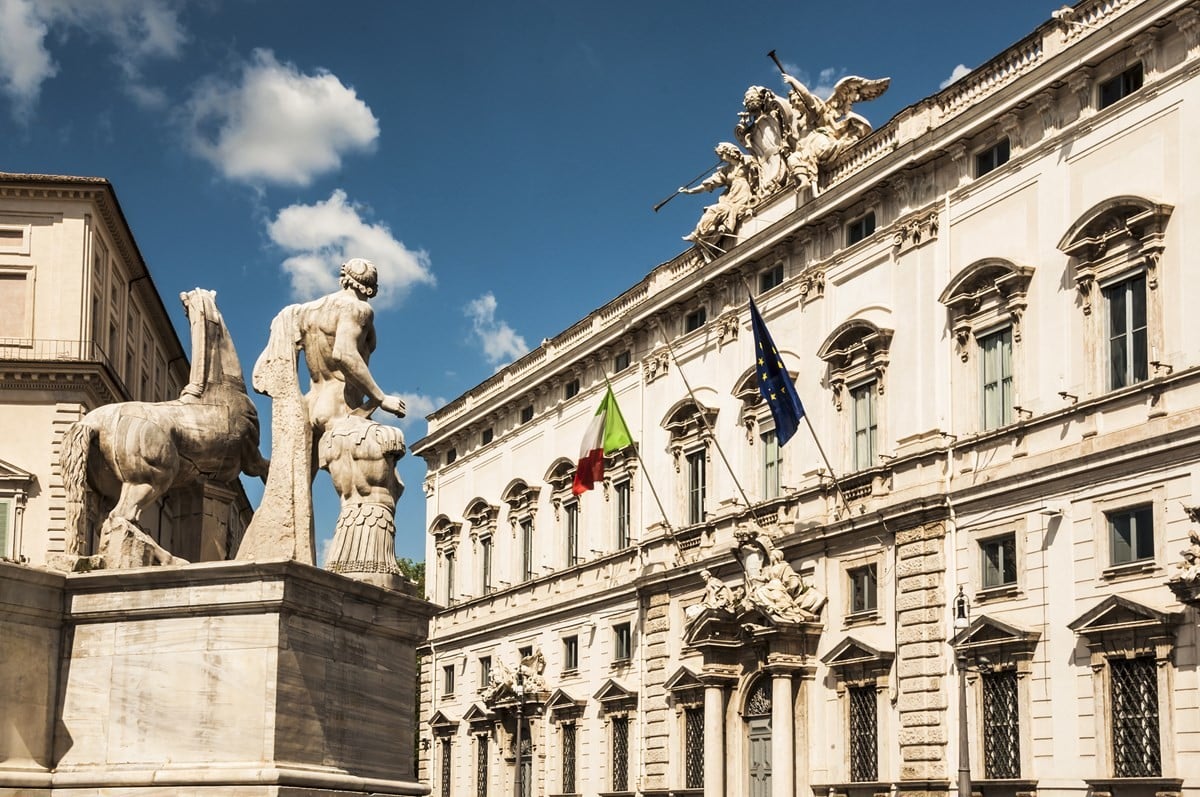
O Palácio Quirinal, em Roma, não é meramente um edifício; é um palimpsesto da história italiana, uma estrutura monumental que respira com as histórias de papas, reis e presidentes. Erguido no topo da mais alta das sete colinas de Roma, suas próprias pedras parecem vibrar com o peso dos séentes. Ao aproximar-se do palácio, somos imediatamente impactados por sua escala imensa – um complexo vasto que abrange 110.500 metros quadrados e ostenta mais de 1.200 salas. No entanto, não é apenas o tamanho que impressiona, mas a mistura harmoniosa de estilos arquitetônicos que refletem camadas sobre camadas de transformação. Concebido originalmente em 1574 como um refúgio de verão para o Papa Gregório XIII, os alicerces do palácio foram lançados sobre remanescentes de estruturas romanas antigas – templos e termas que sussurram contos de uma era ainda mais remota. Papas e monarcas subsequentes deixaram sua marca, com mestres como Domenico Fontana, Carlo Madermo e Gian Lorenzo Bernini moldando seu caráter renascentista e barroco no espetáculo magnífico que vemos hoje. O Pátio de Honra, um ponto focal central, exemplifica essa história estratificada, revelando distintas fases de construção que abrangem décadas e exibindo a evolução das sensibilidades estéticas de cada época. É um espaço onde o próprio tempo parece convergir, oferecendo uma conexão tangível com o rico passado da Itália.
Tesouros Interior: Arte e Artefatos
Entrar em seu interior é como ingressar em um museu vivo, onde cada corredor e câmara revela um novo tesouro. As coleções ali abrigadas são de tirar o fôlego em sua amplitude e qualidade. Esculturas antigas erguem-se como testemunhas silenciosas do passado imperial de Roma, enquanto pinturas renascentistas explodem em cores e detalhes narrativos, oferecendo vislumbres do fervor artístico daquele período transformador. Além destas obras-primas, o palácio orgulha-se de uma extraordinária coleção de tapeçarias – intrincadas narrativas tecidas que retratam eventos históricos e cenas mitológicas – ao lado de uma fascinante variedade de carruagens reais, remanescentes do passado régio da Itália. Contudo, talvez o aspecto mais celebrado do acervo do Quirinal seja a sua coleção de porcelanas, que conta com aproximadamente 30.000 peças de todo o mundo e abrange séculos de arte cerâmica. Este vasto conjunto representa não apenas um artesanato requintado, mas também um testemunho das trocas diplomáticas e conexões culturais que moldaram a história da Itália. Mais recentemente, o projeto “Quirinale Contemporaneo” injetou uma energia vibrante nestes espaços históricos, integrando instalações de arte moderna que criam um diálogo envolvente entre o passado e o presente, desafiando percepções e convidando novas interpretações do legado do palácio. Esta iniciativa audaciosa demonstra o compromisso em manter o Quirinal relevante, não como um monumento estático, mas como um centro cultural dinâmico.
Jardins, Cerimônia e o Espírito da Itália
A beleza do Quirinal estende-se para além de seus muros, abrangendo jardins meticulosamente preservados que remontam ao século XVI. Estes espaços verdes oferecem um refúgio tranquilo da cidade agitada, com canteiros geométricos, diversas espécies de árvores, sebes altas e pergolados encantadores que criam uma atmosfera de serena elegância. A Casa do Café, projetada no século XVIII, proporciona vistas panorâmicas dos jardins do palácio e da vasta paisagem urbana além – um ponto de observação perfeito para contemplar a importância histórica deste local extraordinário. Somando-se ao espetáculo está a cerimônia de Troca da Guarda realizada pelos
Corazzieri
, uma das escoltas armadas mais prestigiisadas do mundo. Seus movimentos precisos e armaduras reluzentes encarnam um senso de tradição e orgulho nacional, oferecendo aos visitantes um vislumbre cativante da herança cerimonial da Itália. É uma performance que não se trata apenas de espetáculo; é a personificação viva da identidade e da disciplina italiana.
Um Símbolo Vivo da República
Hoje, como residência oficial do Presidente da Itália, o Palácio Quirinal continua a desempenhar um papel vital na vida política da nação. No entanto, permanece fundamentalmente uma instituição cultural, aberta ao público para visitas guiadas que revelam seus tesouros ocultos e histórias envolventes. O compromisso contínuo do palácio com a arte, através de iniciativas como o “Quirinale Contemporaneo”, demonstra uma abordagem progressista, garantindo que este marco histórico permaneça relevante e estimulante para as gerações futuras. É um lugar onde a história não é meramente preservada, mas ativamente interpretada e recontextualizada, promovendo uma compreensão mais profunda da rica herança italiana e de sua identidade em evolução. O Palácio Quirinal ergue-se como um símbolo poderoso – não apenas da República Italiana, mas do poder duradouro da arte, da arquitetura e do legado cultural para moldar nossa compreensão do passado e inspirar nossa visão para o futuro. É um testemunho da ideia de que um edifício pode ser mais do que apenas pedra e argamassa; ele pode ser a personificação viva da alma de uma nação.
Pela Equipe Editorial de WahooArt.com
Desafio de Arte
Cada pergunta possui apenas uma resposta correta.
Questão 1:
Qual é o nome do palácio que abriga o Presidente da República Italiana?
Questão 2:
Em que século foi construído originalmente o Palazzo Quirinale?
Questão 3:
Quem projetou a torre do Palazzo Quirinale?
Questão 4:
O Palazzo Quirinale é conhecido por abrigar uma coleção importante de quais obras de arte?
Questão 5:
Qual é o significado da torre do Palazzo Quirinale?
Embark on a sophisticated journey through Italian Baroque art. Discover the dramatic interplay of light and emotion in Caravaggio’s masterpieces and explore how to bring this timeless grandeur into your collection with expert art insights.
Explore the breathtaking drama of the Baroque era. From the mastery of chiaroscuro to epic mythological narratives, discover a definitive guide to art's most powerful period of light, shadow, and emotion for the true classical art enthusiast.