


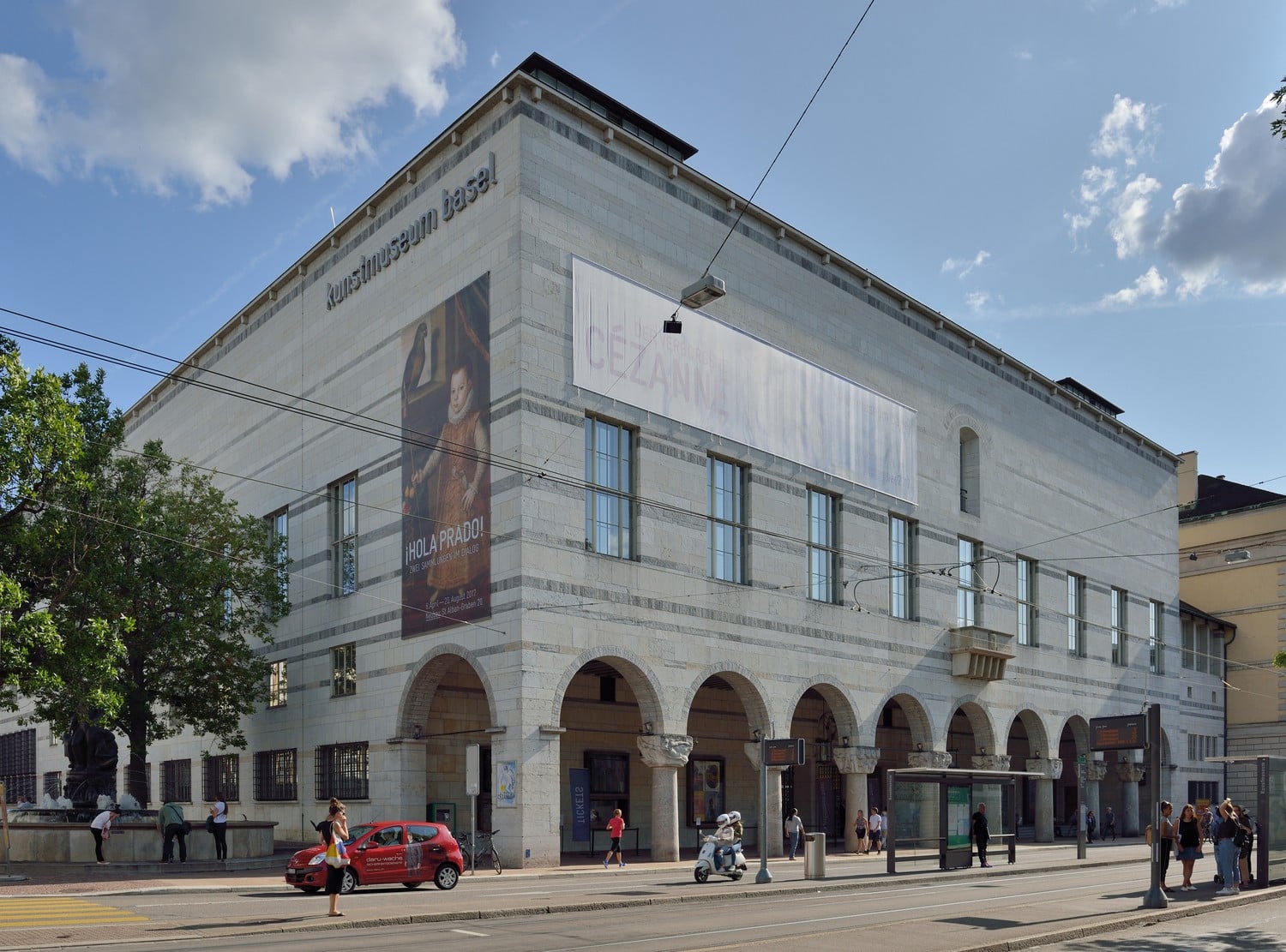
Um Legado Gravado no Tempo: Explorando o Kunstmuseum Basel
Aninhada às margens do Reno, Basileia cultivou uma tradição duradoura de fervor artístico — um legado personificado de forma mais profunda pelo Kunstmuseum Basel, o museu de arte pública mais antigo da Suíça e um farol para conhecedores em todo o mundo. Mais do que simplesmente preservar obras-primas, ele narra a evolução contínivda da arte, traçando suas raízes desde a piedade delicada das pinturas renascentistas do século XV até a experimentação audaciosa que caracteriza as criações contemporâneas. A gênese desta instituição é, por si só, extraordinária: originando-se da coleção particular dos Amerbach em 1671, suas portas abriram-se com um espírito de inovação que rapidamente o estabeleceu como um pioneiro entre os museus de arte globalmente.
Caminhar por seus corredores é como atravessar séculos — uma jornada hipnotizante testemunhando as correntes mutáveis da expressão humana e o poder duradouro da narrativa visual. A estrutura tripartida do museu intensifica esta experiência imersiva, com cada sede oferecendo perspectivas distintas sobre seu vasto acervo. Esta dualidade arquitetônica reflete o compromisso inabalável do Kunstmuseum Basel em exibir a arte através das eras, promovendo um sentido palpável de continuidade ao lado de revigorantes surtos de inovação.
A Terra Natal de Holbein e Além: Uma Coleção de Profundidade Inigualável
O Kunstmuseum Basel é justamente celebrado por seu extraordinário conjunto dedicado à família Holbein — Hans Holbein, o Velho, e seu filho, Hans Holbein, o Jovem. Estes artistas, profundamente entrelaçados com a paisagem artística de Basileia, imprimiram de forma indelével o retrato renascentista, capturando não apenas semelhanças, mas a própria essência de seus sujeitos com um realismo surpreendente e acuidade psicológica. No entanto, limitar o museu apenas aos Holbein diminuiria sua amplitude deslumbrante; seu acervo ostenta um panorama impressionante que inclui tesouros de Konrad Witz — cujos retábulos ressoam com intensidade espiritual — ao lado de peças de mestres como Lucas Cranach, o Velho, e Matthias Grünewald.
Avançando no tempo, o repertório do museu torna-se igualmente fascinante. Luminares do Impressionismo e Pós-Impressionismo, como Monet, Van Gogh, Gauguin e Cézanne, transportam os visitantes para paisagens banhadas pelo sol e momentos íntimos da vida moderna. Um destaque especial é “Dia de Mercado”, de Paul Gauguin, um tableau vibrante repleto de cor e da energia palpável da existência cotidiana.
Arquitetura que Reflete Eras: Um Diálogo entre o Passado e o Presente
O próprio edifício do museu encarna este diálogo entre passado e presente. O prédio original, erguido no século XIX, exala um charme elegante inspirado nas pinturas de Emilie Linder — criando um ambiente harmonioso perfeitamente adequado para suas coleções preciosas. Contudo, o Kunstmuseum Basel não permaneceu estático; extensões contemporâneas foram cuidadosamente integradas, proporcionando espaços dinâmicos para exposições modernas e experimentais.
Esta evolução arquitetônica reflete a dedicação inabalável do museu em apresentar a arte de todos os períodos, cultivando uma atmosfera que é ao mesmo tempo reverente e revigorante — aumentando o envolvimento dos visitantes e incentivando uma contemplação mais profunda das obras expostas.
Um Centro de Pensamento Moderno: Expressionismo, Surrealismo e Além
O acervo do século XX no Kunstmuseum Basel constitui um panorama abrangente dos movimentos artísticos que definiram a era. Da intensidade emocional crua de Munch à abstração pioneira de Kandinsky e as explorações psicológicas inquietantes de Kokoschka, o museu oferece uma plataforma para mergulhar nas complexidades da psique moderna.
“Girafas Iluminadas”, de Salvador Dalí, com sua imagética cativante e fascínio surrealista pelo subconsciente, exemplifica a abordagem distinta deste movimento. Expandindo-se além das fronteiras europeias, o Kunstmuseum Basel apresenta arte americana significativa do período pós-1950 — demonstrando um compromisso com as perspectivas artísticas globais.
Além disso, o Kunstmuseum Basel apoia artistas contemporâneos — tanto suíços quanto internacionais — garantindo que permaneça na vanguarda do discurso artístico. Figuras como Alexander Schawinsky, um artista suíço da Bauhaus celebrado pela fotografia experimental e pelo design de palco, são apresentadas com destaque — ressaltando a dedicação do museu em exibir talentos inovadores ao lado de Arnold Böcklin, cujas pinturas simbolistas enriquecem esta diversificada tapeçaria de expressão artística.
Em última análise, o Kunstmuseum Basel distingue-se como a coleção de arte pública mais antiga da Suíça e por sua devoção inabalável à pesquisa acadêmica. Ele transcende a mera apreciação visual; serve como uma instituição dedicada a compreender, preservar e interpretar nosso patrimônio cultural. A admissão durante os horários designados — terças, quintas, sextas-feiras (17h–18h), quartas-feiras (17h–20h) e todo primeiro domingo do mês — reforça este compromisso com a acessibilidade e a inclusividade.


