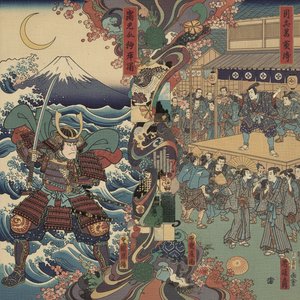
Kōyō Ishikawa (石川 光陽) – A Pioneer of Landscape Painting
Ishikawa Kyō (石川響), born December 3, 1921, in Chōsei District, Chiba Prefecture, was a Japanese photographer and painter who profoundly impacted the landscape art scene of postwar Japan. Little is known about his early life beyond his formal education at Tokyo Art University, where he studied under influential instructors like Hiroshi Yoshida, fostering an appreciation for traditional aesthetics blended with modern photographic techniques. His artistic journey began with a deep connection to nature—specifically, after witnessing Hiroshi Yoshida’s “Sad Mother Guan Yin” print, Ishikawa felt compelled to pursue painting as his medium.
Early Influences:Yoshida's masterful depictions of Mt. Fuji and Japanese landscapes served as a cornerstone for Ishikawa’s artistic vision.
Education & Training: He graduated from Tokyo Art University in 1942 with a focus on painting, honing his skills at Iwate Prefectural Kuroshiri Junior High School where he continued to practice Japanese painting.
The Dawn Landscape – A Masterpiece of Composition and Light
Ishikawa Kyō’s most celebrated work is undoubtedly “Dawn (Mt. Fuji from Nagasaka, Kōshū, present-day Yamanashi Prefecture),” a breathtaking panoramic photograph executed in 1954. Captured during a solo expedition to Mount Fuji, the image exemplifies his signature style—a meticulous attention to detail combined with an intuitive understanding of atmospheric perspective and tonal gradation. The photograph’s composition skillfully guides the viewer's gaze across the expansive vista, emphasizing the majesty of Mt. Fuji bathed in the ethereal glow of sunrise. Critics lauded Ishikawa’s ability to convey not just visual beauty but also a palpable sense of tranquility and reverence for the natural world.
Technique: Ishikawa utilized large-format photography—a relatively rare practice at the time—to achieve unparalleled clarity and tonal range, capturing subtle nuances of color and texture.
Symbolism: The image resonates with Buddhist symbolism, referencing Guan Yin’s compassionate gaze as a reminder of spiritual contemplation amidst the grandeur of nature.
Exploring Japanese Landscape Tradition
Ishikawa Kyō's artistic approach was firmly rooted in the traditions of Japanese landscape painting—particularly *sumō* and *nihonga*. He drew inspiration from masters such as Hiroshi Yoshida, Sansetsu, and Yokoyama Taikan, absorbing their techniques for capturing fleeting moments of beauty and conveying emotional resonance. His paintings often depict serene scenes of mountains, forests, and rivers, rendered with delicate brushstrokes and muted colors—a deliberate contrast to the vibrant hues prevalent in Western Impressionism.
Yoshida’s Legacy: Ishikawa acknowledged Yoshida's profound influence on his artistic sensibilities, recognizing him as a champion of capturing the essence of Japanese landscapes.
Material Considerations: He favored traditional pigments—such as Prussian Blue and Gamboge—to achieve subtle tonal variations that mirrored the natural palette of Japan’s wilderness.
Recognition & Legacy – A Lasting Impression on Contemporary Art
Ishikawa Kyō received numerous accolades throughout his career, including membership in the Nihonga Association (日本画協会) and honorary professor emeritus at Tokyo Metropolitan University of Arts. His work was exhibited extensively both domestically and internationally, cementing his reputation as one of Japan’s foremost landscape photographers and painters. Though he passed away December 26, 2000, Ishikawa Kyō's legacy continues to inspire artists today—a testament to the enduring power of observation, craftsmanship, and a deep communion with the sublime beauty of the Japanese countryside. His photograph “Dawn” remains an iconic image representing the spirit of *nihonga* and its contribution to global art history.
Institutional Affiliations: Membership in the Nihonga Association ensured his continued involvement in promoting traditional Japanese art forms.
Continuing Influence: Ishikawa Kyō’s meticulous technique and emotive approach continue to serve as a model for aspiring artists seeking to honor Japan's artistic heritage.
Explore the captivating world of Utagawa Kuniyoshi, a master of Japanese ukiyo-e woodblock prints. Discover his innovative warrior scenes, vibrant landscapes & lasting legacy in 19th-century art history.